1. Understanding Plasma Donation: The Science and Significance
1.1 What is Plasma and Why is it So Important?
Plasma is the pale yellow liquid component of blood, constituting about 55% of its overall content. It is predominantly composed of water (around 90%), alongside essential substances such as proteins, electrolytes, hormones, and waste products. Plasma plays a vital role in maintaining blood pressure, supporting immune function, and transporting nutrients to cells. Its importance cannot be overstated, especially in the medical field, where it serves as a critical resource for various therapies.
Plasma’s high protein content includes albumin, globulins, and clotting factors, which are crucial for various bodily functions. For instance, albumin helps maintain oncotic pressure, preventing fluid from leaking into tissues, while immunoglobulins are vital for the immune response against infections. The significance of plasma extends beyond the individual, as the pooled resources from plasma donations can aid hospitals in treating serious conditions ranging from hemophilia to burn injuries.
1.2 The Life-Saving Impact of Plasma Donations
The impact of plasma donations is profound and far-reaching. Every year, thousands of individuals rely on plasma-derived therapies to treat an array of medical conditions, including autoimmune disorders, liver diseases, and certain types of cancers. Immunoglobulin therapies, derived from plasma, are instrumental for individuals with compromised immune systems, while clotting factor concentrates are essential for those with hemophilia. Additionally, plasma is crucial in burn units, where it helps restore blood volume and prevent shock.
Beyond specific treatments, plasma donations also contribute to the collective health infrastructure, allowing hospitals to manage and treat emergent medical cases effectively. Each donation can be transformed into life-saving medications, benefiting multiple patients. This transformative potential illustrates the necessity of continual participation in plasma donation programs, highlighting both the urgency and the altruism behind this selfless act.
1.3 Plasma vs. Whole Blood: What’s the Difference?
While both plasma and whole blood are critical for medical treatment, they serve different purposes and contain distinct components. Whole blood is composed of red blood cells, white blood cells, platelets, and plasma, making it effective for transfusions in cases of severe blood loss or trauma. Plasma, on the other hand, is the liquid matrix that supports the cellular components and carries important proteins, nutrients, and waste products. Thus, focusing specifically on plasma allows for targeted therapies that address various medical conditions affecting infection, coagulation, and immune functions.
Understanding this distinction is essential for potential donors who may wish to specialize their contributions. Plasma donation, unlike whole blood donation, involves the process of apheresis, where plasma is separated from the blood cells and platelets before the latter are returned to the donor’s body. This method permits donation of larger quantities of plasma without removing other crucial cell components, making it significantly impactful for therapeutic purposes while ensuring donor safety.
2. Navigating Your Local Donation Centers: A Map to Success
2.1 How to Locate Reliable Plasma Donation Centers Near You
Locating a trustworthy plasma donation facility near you can be done through several effective channels. One of the easiest approaches is to use online search engines and enter terms such as “plasma donation centers near me,” or “donation center plasma” to find relevant options. Many major healthcare providers offer online directories listing their facilities, which often include plasma collection sites. Local blood banks and hospitals are also helpful resources, as they may operate plasma programs themselves or refer donors to affiliated centers.
In addition, social media platforms and community forums can be valuable tools for gathering personal recommendations. Participating in local groups allows you to learn from others’ experiences, service quality, and overall reputation of different donation centers. Dedicated blood and plasma donation websites frequently feature reviews and ratings, giving you added insight to confidently choose a reputable donation center plasma facility.
2.2 What to Look for in a High-Quality Donation Facility
Not all plasma donation centers are created equal. When searching for a facility to perform your donation, several key criteria should be taken into account. First and foremost, ensure that the center is certified by relevant regulatory bodies, such as the American Association of Blood Banks (AABB) or the U.S. Food and Drug Administration (FDA). These certifications are indicative of the facility meeting strict health and safety standards.
Another important consideration is the reputation of the facility in the community. Select centers with good reviews or recommendations from past donors. Additionally, observing the cleanliness and professionalism of the environment upon your visit hygienic practices are crucial in ensuring donor safety and comfort. The staff should be knowledgeable, personable, and trained in handling donors, which plays a massive role in creating a welcoming atmosphere.
2.3 Understanding Operational Hours and Location Benefits
Practical aspects, such as operational hours and proximity to your residence or workplace, should heavily influence your decision-making. Many donation centers operate with flexible hours, including evenings and weekends, to accommodate donors with busy schedules. This accessibility can significantly increase your ability to donate regularly. Moreover, centers situated near public transport lines or in high-traffic areas tend to attract a larger donor base, ensuring quicker service and fostering a community of regular contributors.
Availability of additional services, such as wellness checks or refreshments post-donation, can offer a more comprehensive experience. Some centers may also hold community events or appreciation days that promote a sense of belonging among repeated donors, enhancing the overall experience of giving back. Understanding these operational benefits will help you select a center that aligns with your schedule and preference.
3. Preparing for Your First Donation: Tips and Tricks
3.1 What to Expect on Your First Donation Day
Preparing for your first plasma donation can be both exciting and nerve-wracking. On your appointment day, arrive adequately informed and prepared. Initially, you will be required to fill out personal and medical history forms to ensure your eligibility. This process can often feel overwhelming, but it is critical for ensuring that the donation is safe for both you and potential recipients.
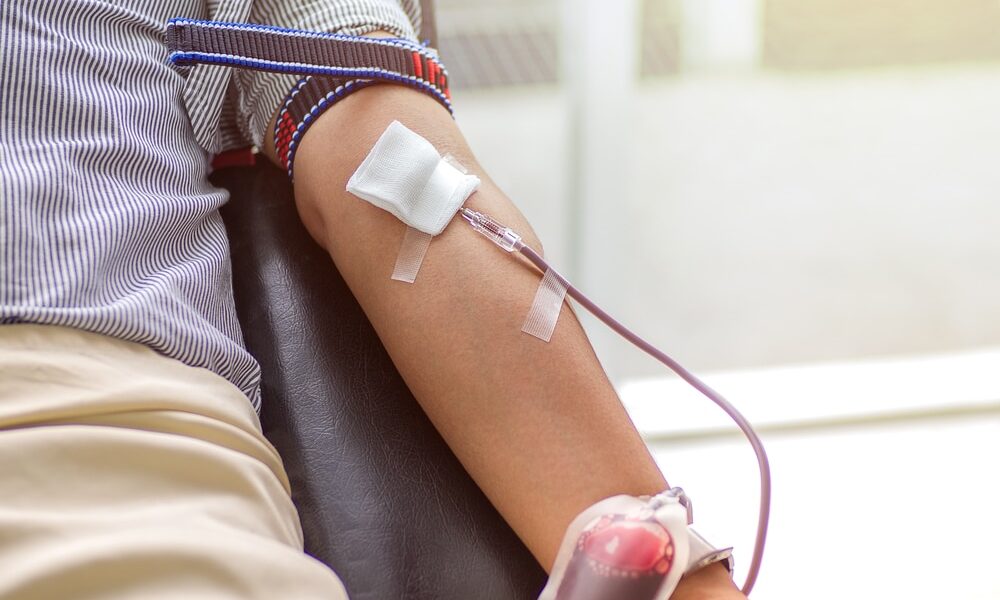
Once your paperwork is complete, a healthcare professional will conduct a physical examination to measure vital signs, hemoglobin levels, and overall health status. This pre-donation assessment forms a part of the necessary precautions to ascertain your fitness to donate plasma. Later, the donation itself will involve a sterile needle insertion into your arm, and the apheresis machine will subsequently separate the plasma from your blood. Understanding that this process typically lasts about 45 minutes can help manage your expectations for the duration of the experience.
3.2 Essential Preparations: Hydration, Nutrition, and Rest
One of the most important aspects of preparation for plasma donation is taking care of your body in the days leading up to your appointment. Hydration is vital; drinking plenty of water will help keep your blood volume at optimal levels, making the donation smoother and less taxing on your body. Aim for at least 2-3 liters of water in the days leading up to your donation.
Nutrition plays a pivotal role as well. Consuming balanced meals rich in proteins, vitamins, and iron will provide you with the necessary energy resources to replenish following the donation. Foods such as lean meats, legumes, and leafy greens can enhance your hemoglobin levels, while snacks high in carbohydrates, like whole grains or fruits, can help maintain your energy levels. Finally, ensure you get a good night’s sleep before the donation to reduce fatigue and enhance your physical well-being during the process.
3.3 Overcoming Nerves: Making the Experience Comfortable
Feeling nervous about donor procedures is entirely normal, especially for first-time donors. A few strategies can ease your apprehension. Familiarizing yourself with the donation process through videos or guides can mitigate unknown fears. If you’re particularly anxious about needles, consider practicing simple breathing exercises to help manage your anxiety.
Many centers introduce friendly staff members who can communicate about the donation steps, which can provide reassurance. Bringing a friend for moral support can also greatly alleviate stress. Once you’re in the chair, focus on distractions, such as listening to music or a podcast, reading a book, or engaging in conversation with the staff. Creating a comfortable environment for yourself boosts your confidence and helps make the donation process a positive experience.
4. Post-Donation Care: Maximizing the Benefits of Your Gift
4.1 Understanding What Happens After You Donate Plasma
Post-donation, your body starts to recover immediately. Plasma replenishment generally occurs quickly, often within 24-48 hours, as your body works to maintain balance and homeostasis. However, it’s essential to understand that while plasma is replaced swiftly, the proteins and other components may take longer to restore. Therefore, proper post-donation care is crucial to facilitating your recovery and maintaining overall well-being.
Moreover, each donation goes through rigorous testing to ensure safety and quality before being utilized in treatments. Donors are often informed about these protocols, understanding the value of their contributions. This knowledge not only reinforces a sense of accomplishment but also fosters engagement in the plasma donation community.
4.2 Recovery Tips: How to Feel Great After Donating
Recovery after donating plasma can be greatly enhanced by adhering to several straightforward guidelines. First, allow yourself time to rest: most centers will provide a place to relax post-donation, and taking advantage of this time can help decrease the likelihood of dizziness or fatigue. It is recommended that you take it easy for the remainder of the day to allow your body to recover properly.
Incorporating additional hydration and nutritious snacks can significantly aid in your recovery. Foods rich in electrolytes, such as bananas or sport drinks, can help replace lost nutrients. It’s also wise to avoid heavy exertion or vigorous exercise for at least 24 hours after donating, as your body needs to redirect energy towards replenishing plasma components. Listening to your own body and prioritizing self-care during this phase maximizes the benefits of your donation.
4.3 Staying Engaged: The Importance of Repeat Donations
Once you’ve completed your first donation and experienced its positive impact, consider becoming a regular donor. Plasma donation is not a one-time act; rather, regular contributions can significantly improve the lives of many patients reliant on plasma-derived therapies. Most donation centers allow plasma donation to occur every 28 days, which means potential donors can contribute regularly while still allowing for sufficient recovery time.
Moreover, the sense of community fostered within plasma donation networks can enhance your overall experience. Join local engagement activities, blood drives, and educational events that not only raise awareness but also celebrate donors and recipients. Every donation creates a ripple effect; sharing your experience can motivate others to participate, creating a more significant impact in the fight for health and recovery.
In conclusion, choosing the right donation center and preparing for plasma donation is an admirable choice that carries immense responsibility. By understanding the nuances of plasma and its contributions to healthcare and following best practices for donating, anyone can be part of a life-saving community. Your effort can create ripples of hope and healing, influencing countless lives for the better.