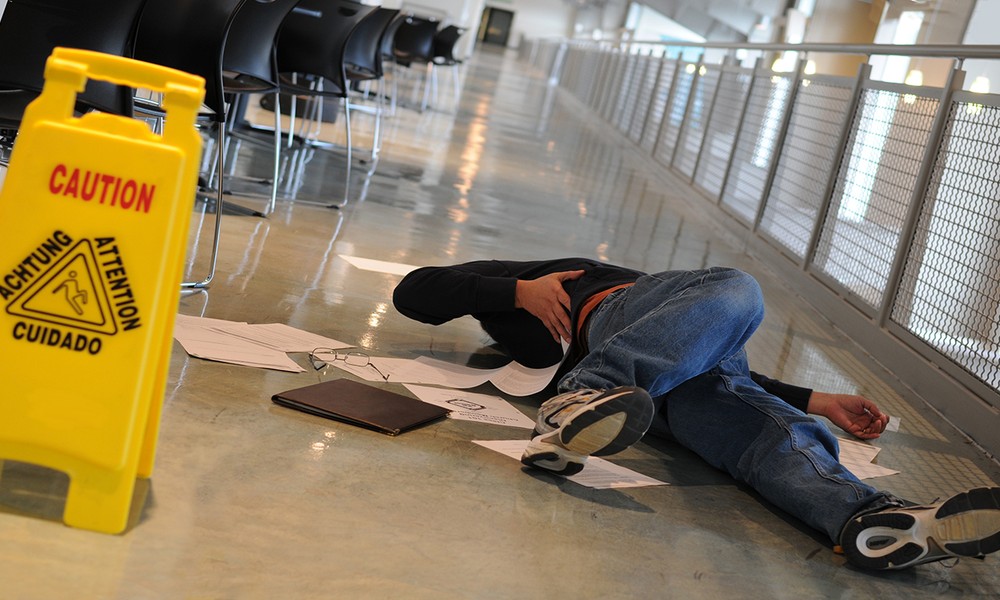
Property owners in Los Angeles owe legal duties to visitors. When they breach these duties through negligent maintenance, dangerous conditions, or inadequate security, resulting injuries create liability. However, proving owners knew about hazards yet failed to fix them requires investigation most injury victims can’t conduct independently.
Owner Duties by Visitor Status
California law distinguishes visitor categories. Invitees (customers, clients, business visitors) receive highest protection-owners must inspect for hazards, warn of dangers, and maintain safe conditions. Licensees (social guests) receive less protection-owners must warn of known hazards. Trespassers receive minimal protection except for attractive nuisances like pools.
Premises liability claims require proving owner owed duty, breached duty through negligent maintenance, breach caused injuries, and damages resulted. Each element needs evidence property owners and insurers challenge aggressively.
1. Avian Law Group
Avian Law Group handles Los Angeles premises liability cases representing clients injured through owner negligence. Their investigation-focused approach gathers evidence essential for overcoming insurance denials.
Slip and fall cases-the most common premises claims-require proving dangerous condition existed, owner knew or should have known about it, owner failed to remedy or warn, and condition caused fall and injuries. They document floor substance causing fall, condition duration proving owner should have known, maintenance policies, whether warnings existed, and injury causation.
Evidence includes incident scene photos before changes, witness statements, surveillance footage, maintenance records, prior incident reports, and expert testimony about property management standards.
Common scenarios include wet floors from spills or cleaning, uneven sidewalks and parking lots, inadequate lighting, torn carpeting or flooring defects, and obstacles in walkways.
Inadequate security cases arise when owners fail to protect visitors from foreseeable criminal acts. Hotels, retail stores, parking structures must provide reasonable security based on crime history. Proving these cases requires evidence of prior criminal activity, industry security standards, owner knowledge, security measures provided versus reasonable measures, and causation.
Swimming pool accidents involve drowning, diving injuries, chemical exposure, and slip-and-falls. Owners must maintain proper fencing, functional safety equipment, chemical balance, and clear depth markings.
2. The Dominguez Firm
The Dominguez Firm handles premises liability with resources for complex litigation. Practice includes slip-and-falls, inadequate security, swimming pool accidents, and property negligence. Investigation includes scene examination and expert consultation.
3. Citywide Law Group
Citywide Law Group provides dedicated premises representation emphasizing serious injury cases. They investigate property conditions thoroughly, retain appropriate experts, and challenge owner defenses aggressively.
4. West Coast Trial Lawyers
West Coast Trial Lawyers handles premises liability with litigation readiness motivating settlements. Trial experience demonstrates capability to take cases before juries when necessary.
5. The Reeves Law Group
The Reeves Law Group serves premises liability clients with systematic investigation. They coordinate evidence gathering, expert retention, settlement negotiation, and trial preparation.
California Premises Law
Comparative negligence applies-you can recover even if partially at fault, reduced by percentage. Owners exploit this by exaggerating visitor fault claiming you weren’t watching, were distracted, wore wrong shoes, or ignored warnings.
Two-year statute of limitations applies. However, evidence deteriorates quickly-surveillance footage gets deleted, conditions change, witnesses forget. Prompt consultation preserves evidence.
“Open and obvious” doctrine means owners aren’t liable for hazards that should be obvious. However, this defense has limits. Attorneys challenge with evidence showing duties even for obvious hazards.
After accidents, document everything: photos of hazard and area, witness information, incident reports, medical records, injury impacts, and communications. Don’t give recorded statements without attorney consultation.