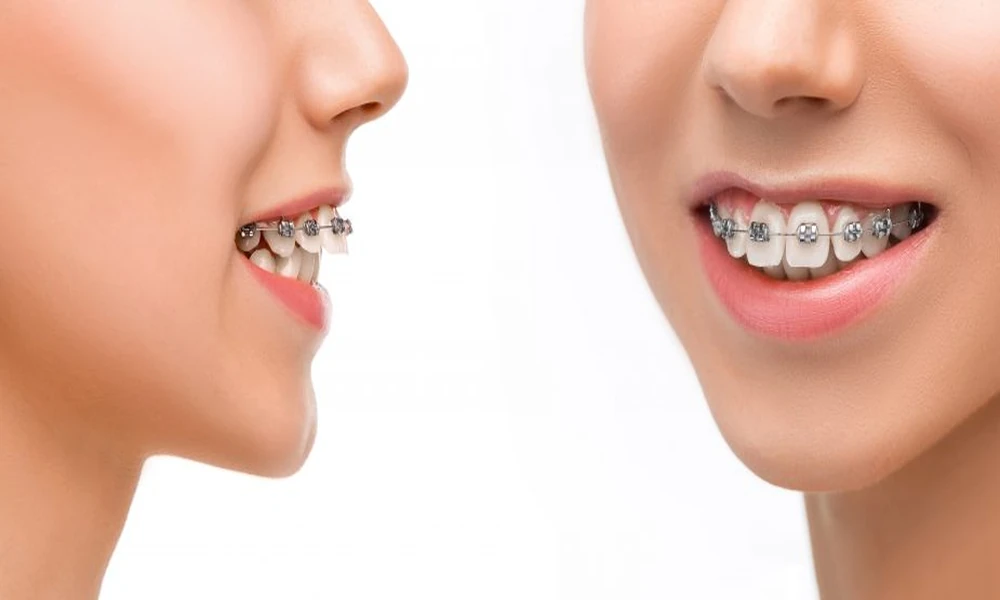
You might be feeling a mix of relief and worry right now. The braces are off, your aligners are done, and people are noticing your new smile. Maybe you’re even thinking back to when you first got braces in South Nashville, and how far you’ve come since then. At the same time, a quiet question sits in the back of your mind. “Will my teeth stay like this, or will they move back?”end
That fear is very common. You invested time, money, and a lot of patience to straighten your teeth. The idea that everything could slowly shift out of place can feel discouraging. You are not being “paranoid.” You are being realistic, and that is exactly why orthodontists plan for what happens after treatment just as carefully as what happens during it.
Here is the short version. Orthodontists protect your results with retainers, regular follow up, and clear long term guidance. Teeth always have some natural tendency to move, so retention is a lifelong concept, not a quick “phase.” When you understand how orthodontists think about stability, you can make simple, smart choices that keep your smile looking great for years.
Why do teeth want to move after treatment in the first place?
It helps to start with the uncomfortable truth. Teeth never become completely “fixed” in the bone. They sit in a living, changing system. The fibers around each tooth, your gums, your jaw muscles, even your lips and tongue all apply small pressures day and night. Over time, those small forces can add up.
Imagine someone who had crowded front teeth. Braces lined them up, everything looked straight, and treatment finished. Without any retention, those same crowded patterns can slowly return. Maybe not as severe, but enough that the person notices gaps closing or teeth twisting again. This is called relapse, and it can happen months or years after treatment stops.
Because of this tension between “living teeth” and “stable results,” you might wonder how orthodontists plan ahead.
How do orthodontists plan for lasting results, not just a quick fix?
Orthodontists do not see the day your braces come off as the end. They see it as the start of the retention
The main tool is the retainer. There are different kinds, and each has strengths. Clear removable trays that look like thin aligners. Traditional Hawley retainers with a wire across the front and acrylic on the palate. Fixed retainers that are bonded behind your front teeth so you cannot see them. Orthodontists choose based on your bite, your habits, and your ability to wear and care for them.
If you are wondering whether retainers are optional or temporary, professional guidance is clear. The American Association of Orthodontists explains that yes, you will need to wear retainers, and that plan is usually long term. You can read more about that in their overview on why orthodontic retainers are needed.
The emotional challenge is real too. After years of treatment, you might feel “done” and not want one more thing to manage. Yet the retainer is the quiet protection between you and relapse. Orthodontists understand this, which is why they often adjust the schedule over time. For example, full time wear at first, then nights only, then a flexible long term routine that fits your life.
What happens if retention is ignored or delayed?
Think of a teenager who wore braces for two years, finished with a beautiful result, then left their retainer in a drawer. Within a year, they noticed their lower front teeth crowding again. By the time they reached their late twenties, the crowding was obvious in photos, and the only way to fix it was more orthodontic treatment.
There can be financial frustration in that situation. Paying twice for something that could have been protected with consistent retainer wear feels unfair. There can also be a sense of regret. “If I had just worn that simple retainer at night, I might have avoided all this.”
On the other side, consider an adult who keeps up with their retainers. Yes, they occasionally forget a night, but they have a habit. They store it in the same place, clean it properly, and replace it if it cracks. Years later, their teeth still look like the day the braces came off. The difference is not luck. It is retention.
Orthodontists support that long term mindset. Many practices schedule follow up appointments in the first months or year after treatment is complete. This gives you a chance to ask questions, adjust retainers, and catch small shifts before they grow. For some patients, especially those with complex bites, this follow up can be crucial.
How do different retention approaches compare in real life?
There is no single “best” retainer. What matters is matching the type and wear schedule to your situation and being honest about your habits. The American Association of Orthodontists describes the main options in their guide on what dental retainers are and how they work. Hospitals and orthodontic departments also stress that retention is a long term commitment, as you can see in this NHS advice on long term orthodontic retention.
To make the differences clearer, here is a simple comparison of common approaches and how they support lasting orthodontic results.
| Retention Approach | What It Involves | Benefits | Risks or Limits | Best For |
|---|---|---|---|---|
| Clear removable retainer | Thin clear tray worn over teeth, usually at night after the first phase | Nearly invisible, comfortable, easy to replace if lost, good for most cases | Can be lost or damaged, relies on you remembering to wear it | Patients who are responsible with nightly routines |
| Hawley (wire and acrylic) retainer | Removable device with a wire across the front and acrylic on palate or behind lower teeth | Durable, adjustable by the orthodontist, long lasting | More visible, some people find speech affected at first | Patients who want a sturdy, adjustable option |
| Fixed bonded retainer | Thin wire glued behind front teeth, stays in place full time | No need to remember to put it in, very effective at preventing movement in front teeth | Requires careful cleaning, can break without you noticing right away | Patients with high relapse risk, especially lower front crowding |
| No retainer or inconsistent use | Wearing rarely or stopping within months of finishing treatment | None for long term stability | High chance of relapse, possible need for new treatment later | Not recommended by any orthodontic guidelines |
Seeing it laid out like this, you can start to decide what kind of support you need from your orthodontist to protect your post orthodontic treatment stability.
What can you do right now to protect your smile?
So where does that leave you today, especially if you feel unsure about the plan you were given, or you are worried you might already see small changes.
1. Clarify your personal retention plan
Write down what your orthodontist recommended. How many hours per day at first. When you shift to nights only. Whether there is an end date or if they suggested “indefinite” night wear. If you are not sure, call the office and ask for a simple written plan.
Once it is clear, treat it as part of your routine rather than a temporary chore. Store your retainer in the same place every night. Set a reminder on your phone if needed. Habits remove the stress of “remembering.”
2. Take care of your retainers and watch for early changes
Rinse your retainers with cool water after use. Clean them with a soft brush and mild soap, not hot water that can warp them. Avoid wrapping them in tissue, which is how many end up in the trash by accident.
Look at your teeth every few weeks in good light. If you notice small gaps opening, teeth rotating, or your retainer feeling tighter than usual, do not ignore it. These early signs are when your orthodontist can help with simple adjustments instead of starting over.
3. Stay connected with your orthodontist
Even after active treatment, you are still a patient. If something feels off, such as a broken fixed retainer or a lost removable one, contact the office promptly. The sooner you address it, the easier it is to keep your teeth where they belong.
If you are years out of treatment and never had a clear conversation about long term retention, it is not too late. You can schedule a checkup, ask about new retainers, and set a fresh plan to maintain your results.
Moving forward with confidence about your orthodontic results
You worked hard for your smile. Feeling anxious about losing that progress is completely understandable. The good news is that orthodontists expect this challenge and build retention into every treatment plan. With the right type of retainer, a realistic wear schedule, and a bit of daily care, you can keep your teeth stable and avoid the emotional and financial cost of relapse.
You do not need to be perfect. You just need to be consistent. A few simple habits can support your orthodontist‘s work long after the braces are off, and give you the quiet confidence that your results are not just for today, but for the long term.