You might be looking at a chipped tooth, an old crown, or a filling that no longer blends in, and thinking about more than repair. If you are exploring family dentistry in Sioux Falls, you want your smile to still feel like your smile. That is often the part people do not say out loud. They are not only asking whether a tooth can be fixed. They are asking whether it can look natural when the work is done.
That concern is valid, because the best dental work is rarely the kind that announces itself. It should fit your face, your bite, your age, and even the small quirks that make your teeth look real. The short answer is that dentists use a mix of shade selection, material science, light reflection, surface texture, and careful planning to create restorations that blend with natural enamel. In other words, matching dental restorations to natural teeth is both a science and an art.
Why can a new crown or filling look “off” even when the color seems close?
This is where many people feel confused. You may hear that a restoration was matched to your tooth shade, yet it still looks a little flat, too bright, too gray, or too smooth. Why does that happen?
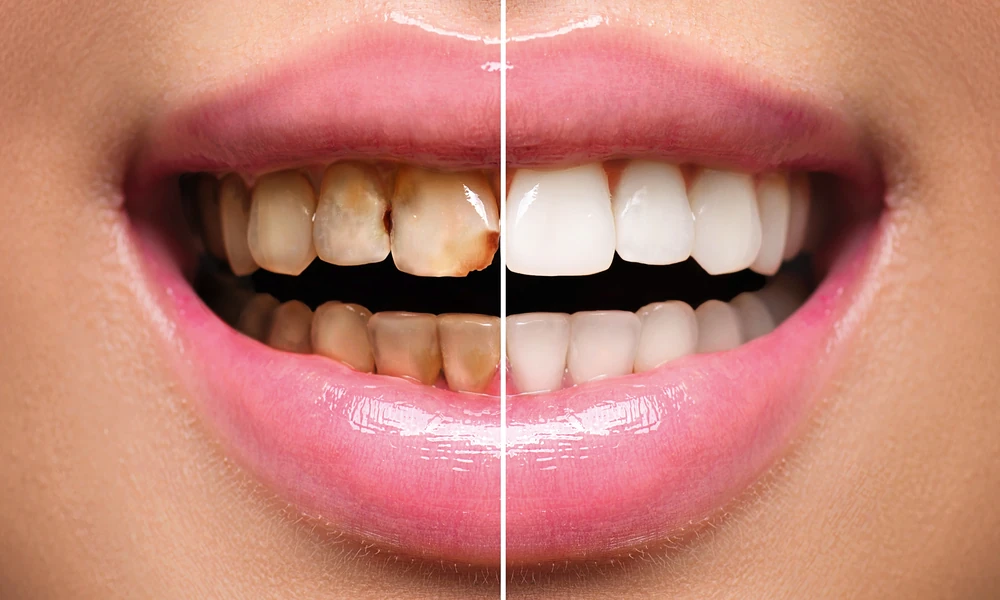
Natural teeth are not one single color. They have layers, translucency, tiny ridges, and areas that reflect light in different ways. The edge of a front tooth often looks more translucent than the center. The area near the gumline can appear warmer or deeper in tone. Even two teeth side by side are not always identical.
Because of this, a restoration has to do more than copy a basic shade tab. It has to mimic the character of enamel and dentin. That is why dentists and labs often consider hue, brightness, chroma, opacity, and texture when planning a crown, veneer, bonding case, or tooth colored filling. If one of those elements is missing, the tooth may be healthy and strong, but it may not disappear naturally into your smile.
Research on dental materials keeps shaping this process. The National Institute of Dental and Craniofacial Research explains in its guide to dental materials that modern restorations are designed not only for strength, but also for appearance and bonding performance. That matters because the material itself affects how light moves through the restoration.
So how do dentists create a natural tooth color match that feels believable?
Usually, it starts before any drilling or bonding begins. Your dentist studies the surrounding teeth in natural and operatory light, checks the condition of your enamel, and looks at shape, edge wear, and surface gloss. Photos may be taken, and in some cases digital shade tools are used to reduce guesswork.
Then comes material choice. Composite resin can be layered in shades, which makes it useful for small to moderate repairs where detail matters. Ceramic options such as porcelain or lithium disilicate can offer lifelike translucency for crowns or veneers when more coverage is needed. A review available through PubMed Central on esthetic restorative materials discusses how optical properties like translucency and fluorescence shape the final result.
There is also the human side of the decision. If you grind your teeth, have staining habits, or are replacing work on a back tooth, the “prettiest” option is not always the best option by itself. A restoration has to survive daily use. A natural looking outcome only works when the restoration also functions well.
What practical factors affect cosmetic tooth matching the most?
If you are weighing options, it helps to see how the main factors compare in real terms. The table below keeps it simple.
| Factor | Why It Matters | What You May Notice |
|---|---|---|
| Shade | Matches the general color family of nearby teeth | A tooth can look too white, too dark, or too yellow if the base shade is off |
| Translucency | Controls how light passes through the restoration | A restoration may look flat or fake if it is too opaque |
| Surface texture | Changes how light reflects off the tooth | Teeth that are too smooth can stand out next to natural enamel |
| Material choice | Affects strength, polish, wear, and optical behavior | Some materials blend better in front teeth, others hold up better under force |
| Lab communication | Helps the ceramist copy details from photos and notes | Better communication often means a more believable result |
| Lighting and dehydration | Teeth can appear lighter when dry or under bright clinical light | A match that looked good in the chair may look different later if this is missed |
There is growing evidence that digital color analysis can improve consistency in shade matching. One recent study listed on PubMed adds to the conversation around color measurement and restorative esthetics. That does not replace a trained eye, but it can support more reliable decisions.
What can you do right now if you want a restoration that blends in?
Ask for a shade discussion before treatment. Do not assume color matching is a small detail. Ask how your dentist plans to match the restoration, whether photos will be taken, and whether the final result is being designed to blend with your current teeth or with future whitening plans.
Talk about material options in plain language. If you are getting natural looking tooth restorations, ask which material is being used and why. A front tooth and a molar often need different solutions. General, cosmetic, and restorative dentistry should balance appearance with durability.
Share what bothers you most. Some people care most about color. Others notice shape, edge length, or a crown that looks too bulky. Be specific. If you have a photo of your smile from before the tooth was damaged, bring it. That gives your dentist a more personal reference than a shade guide alone.
Where does that leave you if you want a smile that still looks like you?
The good news is that modern dentistry offers better tools than ever for blending restorations into natural teeth. Still, the best result usually comes from careful planning, clear communication, and realistic expectations about what each material can do. If a restoration is being recommended, it is reasonable to ask not just how it will fix the tooth, but how it will preserve the character of your smile.
You do not have to settle for dental work that looks obvious. If you are considering treatment, ask how the team approaches shade, texture, and material selection for restorative dentistry, and make sure your concerns are part of the plan from the start.