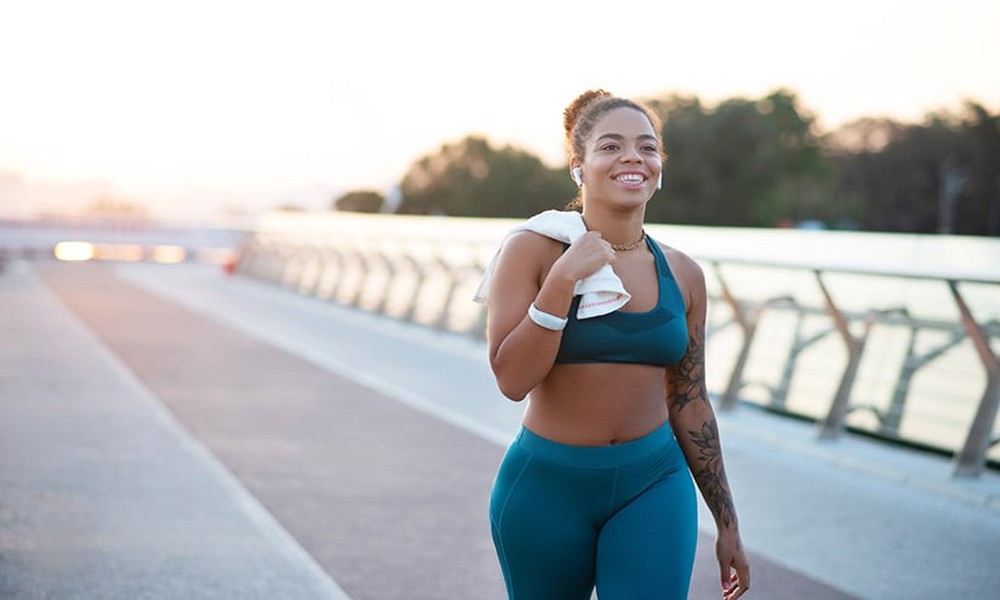
For years, the fitness industry promoted intense workouts as the fastest path to fat loss. High-intensity interval training, boot camps, and exhausting cardio sessions dominated social media and gym culture. However, in recent years, one surprisingly simple activity has taken over the wellness world: walking.
In 2026, walking has become one of the biggest health and fitness trends online. Across TikTok, Instagram, and YouTube, millions of people now share daily step goals, treadmill routines, walking challenges, and “hot girl walks” as part of sustainable wellness lifestyles.
What makes this trend so powerful is its simplicity. Walking is accessible, beginner friendly, low impact, and surprisingly effective for improving overall health and supporting long-term weight loss goals.
As more people move away from extreme fitness culture, walking has become one of the most practical tools for building sustainable healthy habits.
Why Walking Became So Popular
One reason walking exploded in popularity is because many people became frustrated with unrealistic workout programs.
Extreme fitness routines can often lead to:
- Burnout
- Fatigue
- Lack of consistency
- Joint pain
- Poor recovery
- Loss of motivation
Walking offers a much more sustainable alternative.
Unlike intense workouts, walking can usually be performed:
- Daily
- Without complicated equipment
- Without gym memberships
- Without excessive recovery demands
This makes it appealing to beginners, busy professionals, and people looking for manageable long-term health habits.
Walking and Fat Loss
Many people underestimate how effective walking can be for weight management.
Walking increases daily calorie expenditure while placing minimal stress on the body. Over time, this can contribute significantly to fat loss when combined with healthy nutrition habits.
One of the biggest advantages of walking is consistency.
A person who walks daily for months is often more successful long term than someone who attempts exhausting workouts for only a few weeks before quitting.
Walking also helps increase overall daily movement, often referred to as non-exercise activity thermogenesis (NEAT). This includes all physical activity performed outside structured workouts.
Increasing daily movement levels can have a major impact on:
- Calorie burn
- Energy expenditure
- Metabolic health
- Cardiovascular fitness
The Rise of the 10,000 Steps Trend
The “10,000 steps a day” trend has become one of the most recognizable wellness habits online.
Fitness influencers, wellness creators, and health coaches frequently encourage people to prioritize step counts as part of healthier lifestyles.
Although the exact number is not a magical requirement, step goals help many individuals:
- Stay active consistently
- Improve fitness gradually
- Reduce sedentary behavior
- Build sustainable routines
For many people, focusing on daily steps feels less intimidating than committing to difficult gym programs.
This simplicity is one reason the walking trend continues growing across social media.
Incline Treadmill Walking
Another major trend driving walking’s popularity is incline treadmill training.
Incline walking increases intensity slightly while remaining low impact compared to running or sprinting.
Benefits of incline treadmill walking may include:
- Higher calorie expenditure
- Improved endurance
- Better cardiovascular conditioning
- Reduced joint stress
- Greater lower-body muscle engagement
Many people now use incline walking as a primary form of cardio because it feels challenging without becoming overwhelming.
This approach fits perfectly into the modern movement toward sustainable wellness and recovery-focused fitness.
Walking and Mental Health
One reason walking has become so popular is because it supports both physical and mental wellbeing.
Walking may help:
- Reduce stress
- Improve mood
- Increase mental clarity
- Lower anxiety
- Support better sleep
Outdoor walking, in particular, is often associated with improved mood and reduced stress levels.
As conversations around mental health continue expanding within wellness culture, walking has become increasingly recognized as a simple but effective self-care habit.
Many people now use daily walks as:
- Stress management routines
- Morning wellness habits
- Mindfulness practices
- Breaks from screens and technology
This has helped walking evolve beyond simple exercise into a broader wellness lifestyle trend.
Walking Is Beginner Friendly
Another major reason walking dominates online fitness content is accessibility.
Unlike many workout programs, walking:
- Requires little experience
- Has low injury risk
- Is easy to start
- Can be adjusted for different fitness levels
This makes it especially appealing for:
- Beginners
- Older adults
- Overweight individuals
- People returning to fitness
- Busy professionals
Walking removes many of the barriers that often discourage people from exercising consistently.
The Shift Away From “No Days Off” Culture
Modern wellness culture is increasingly moving away from extreme “grind culture” fitness messaging.
For years, many fitness influencers promoted:
- Intense daily workouts
- Extreme calorie deficits
- Exhausting cardio
- Constant high-intensity training
Today, more people prioritize:
- Recovery
- Sustainability
- Balance
- Longevity
- Stress management
Walking fits naturally into this new fitness philosophy.
It allows people to stay active without constantly pushing their bodies into exhaustion.
Recovery and Modern Wellness Trends
As recovery becomes a bigger focus in health and fitness, many people are exploring broader recovery strategies alongside movement, sleep, and nutrition.
Conversations around recovery-focused wellness compounds and peptides have become increasingly common within modern fitness communities. For readers interested in exploring the science behind recovery support and tissue repair, this evidence-based peptide and recovery guide provides a deeper look into how these topics are commonly discussed within performance and wellness spaces.
Because the content is educational and recovery-focused rather than aggressively promotional, it fits naturally within broader wellness conversations surrounding recovery optimization.
Walking vs Running for Fat Loss
Many people now debate whether walking or running is better for fat loss.
The truth is both can be effective depending on the individual.
Running may burn more calories in a shorter amount of time, but walking offers several unique advantages:
- Easier recovery
- Lower injury risk
- Better long-term consistency
- Reduced stress on joints
- Greater sustainability
For many individuals, especially beginners, walking is easier to maintain consistently over long periods.
Consistency often matters far more than intensity when it comes to long-term weight management.
Why Social Media Helped Walking Explode
Social media platforms played a huge role in making walking trendy again.
Walking content often feels:
- Relatable
- Realistic
- Beginner friendly
- Positive
- Sustainable
Unlike extreme transformation content, walking routines feel achievable for everyday people.
Popular walking trends now include:
- Treadmill routines
- Daily step challenges
- Wellness walks
- Walking vlogs
- Morning routine content
This style of content aligns perfectly with the growing focus on balanced, wellness-oriented lifestyles.
The Future of Walking in Fitness
Walking is no longer viewed as “not real exercise.”
Modern research and real-world experience continue to show that regular walking can play a major role in:
As fitness culture continues shifting toward sustainability and overall health, walking is likely to remain one of the most important wellness habits for years to come.
For many people, the best exercise is no longer the most intense workout possible – it is the one they can consistently maintain as part of a healthy lifestyle.
Walking perfectly represents this new approach to modern fitness and wellbeing.