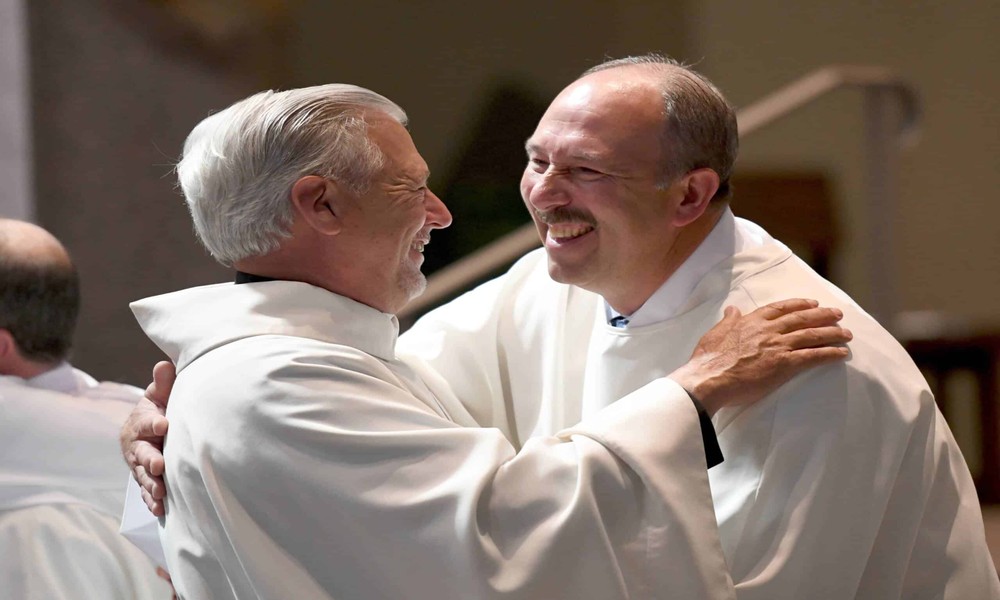
The permanent diaconate formation program serves as a structured pathway for men discerning a vocation to diaconate within the Catholic Church. This program not only focuses on academic education but also emphasizes spiritual development and practical ministry preparation. Understanding the components and significance of this program is essential for aspiring deacons, theology students, and church community members.
The Structure of the Permanent Diaconate Formation Program
A permanent diaconate formation program typically encompasses several key elements designed to prepare candidates for their roles as deacons. The structure includes:
- Spiritual Formation: This aspect focuses on deepening the candidates’ relationship with God through prayer, retreats, and spiritual direction. Candidates engage with the Scriptures and Church teachings to cultivate a genuine spiritual life.
- Theological Education: The program includes rigorous academic coursework in theology, scripture, and pastoral care. Candidates often enroll in classes covering essential topics such as Church history, moral theology, and sacramental theology.
- Ministerial Training: Practical experience is vital. Candidates participate in various ministries, allowing them to apply their learning in real-world settings. This includes service in parishes, hospitals, and community outreach programs.
- Community Integration: Candidates are encouraged to be active members of their local church communities. This involvement fosters relationships and support networks essential for their future diaconal roles.
The Journey of the Diaconate Program
The diaconate program is a multi-year journey that varies based on local diocesan guidelines. However, certain phases are commonly observed:
Initial Inquiry and Application
The path typically begins with an inquiry phase, where interested individuals express their desire to explore the diaconate. This is followed by an application process that includes assessments of personal readiness, spiritual commitment, and family support.
Formation Stages
Once accepted, candidates enter the formation program, which is often divided into stages:
- Phase One: Academic and Spiritual Preparation: Candidates receive foundational education in theology and engage in spiritual practices. This phase lays the groundwork for their future roles.
- Phase Two: Pastoral Experience: Candidates participate in hands-on ministry activities, allowing them to apply their academic knowledge in practical settings. This experience is crucial for developing pastoral skills.
- Phase Three: Final Preparation: In the concluding stage, candidates undergo a more intensive focus on their readiness for ordination. This phase includes advanced theological studies and an emphasis on personal spiritual growth.
The Role of Spiritual Development in the Diaconate Program
Spiritual development is at the heart of the permanent diaconate formation program. Candidates engage in various spiritual practices that enhance their relationship with God and prepare them for service. Key components include:
- Daily Prayer and Reflection: Candidates are encouraged to maintain a regular prayer life, fostering a deep connection with God.
- Retreats and Spiritual Direction: Periodic retreats provide candidates with opportunities for reflection and renewal. Spiritual direction offers personalized guidance from experienced mentors.
Academic Preparation in the Diaconate Program
The academic aspect of the permanent diaconate formation program is crucial for equipping candidates with the necessary knowledge for their future ministry. Theological education typically includes:
- Courses in Sacred Scripture: Understanding the Bible is fundamental for effective preaching and teaching.
- Moral Theology: Candidates explore ethical principles that guide their decisions and actions in ministry.
- Church Doctrine: Familiarity with Church teachings is essential for candidates to convey the faith accurately and effectively.
Ministry Preparation and Practical Experience
Ministry preparation involves practical experiences that help candidates develop the skills needed for their roles as deacons. This preparation includes:
- Hands-On Ministry: Candidates engage in various ministries, such as assisting in liturgical celebrations, serving the poor, and providing pastoral care.
- Mentorship: Candidates often work alongside experienced deacons and clergy, gaining insights and guidance as they navigate their formation journey.
The Vocation to Diaconate
Understanding the vocation to diaconate is vital for candidates. This vocation calls men to serve the Church and community through various ministries. The diaconate offers a unique opportunity to live out the Gospel through service, teaching, and leadership. The journey of discernment is deeply personal and communal, requiring support from family, the Church, and fellow candidates.
The Importance of Community in the Diaconate Program
Community plays a significant role in the formation process. Candidates benefit from:
- Peer Support: Forming bonds with fellow candidates fosters a sense of camaraderie and mutual encouragement.
- Family Involvement: The support of family members is critical, as the diaconate vocation affects not only the candidates but also their families.
Resources for Aspiring Deacons
For those considering a permanent diaconate formation program, several resources are available:
- Diocesan Offices: Most dioceses have dedicated offices for the diaconate that provide information about local formation programs.
- Educational Institutions: Institutions offer specialised programs tailored to the needs of aspiring deacons.
- Church Teachings: Familiarity with Church documents, such as “Ad Gentes” and “Lumen Gentium,” can provide insight into the role and responsibilities of deacons.
Embracing the Journey of Diaconate Formation
The permanent diaconate formation program is a comprehensive journey that encompasses spiritual growth, academic learning, and practical ministry preparation. For aspiring deacons, this program offers a profound opportunity to deepen their faith and serve their communities effectively. Engaging fully in this process enables candidates to embrace their vocation to diaconate with confidence and commitment. As they progress through the stages of formation, they prepare to fulfill their roles as vital members of the Church, embodying the call to serve and lead in faith.