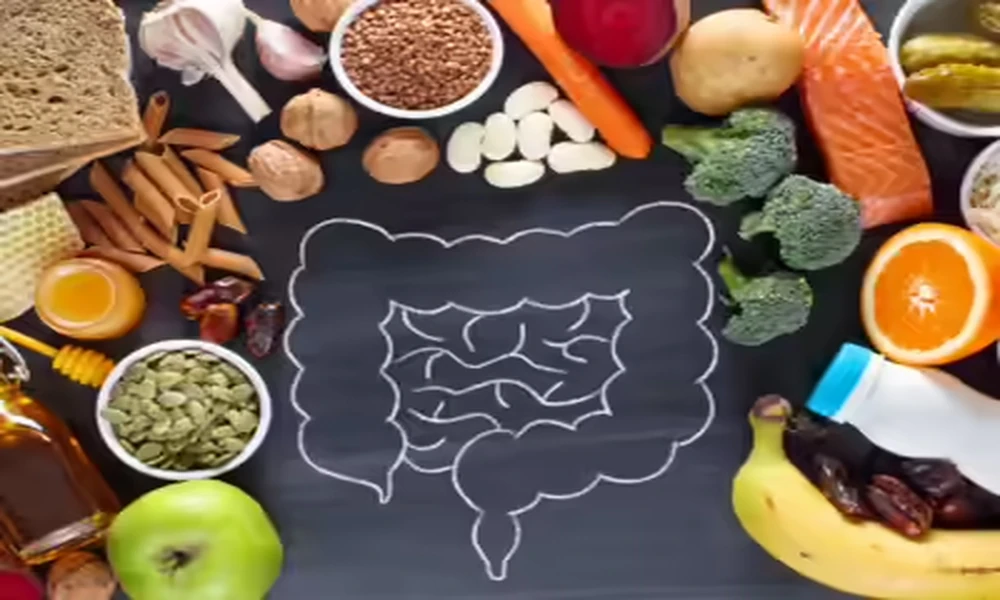
Certain days might come in life when you feel heavier, your focus might be off, your motivation scattered, and no amount of rest seems to fix it. In times like these, it might have to do with your schedule management and sleep density, but your gut plays a significant role in all of this functioning. Research increasingly shows that the state of your digestive system has a direct influence on how energetic or drained you feel throughout the day.
Understanding What Your Gut Actually Does:
Your gut is directly responsible for digesting the food you consume. Your digestive tract acts as a home to a vast community of bacteria, fungi, and other microscopic life forms collectively known as the gut microbiome. This ecosystem, then, assists the body by providing the following benefits:
- regulating hormones
- breaking down nutrients
- supporting immune responses
- producing specific vitamins
The stability of the microbiome works in parallel to your body’s functionality of absorption; your body absorbs the necessary nutrients from the food you intake without disruption. When there is an imbalance, primarily due to poor diet, the downstream effects can be surprisingly wide-reaching. Fatigue is one of the most common of them all.
The Direct Connection Between Gut Health and Energy:
The way your gut influences your energy is more than one mechanism; it is a group of several mechanisms working together. Iron, B12, folate, and magnesium are all critical for cellular energy production. If the gut lining is damaged or inflamed, absorption of these nutrients becomes inefficient. Your body ends up with less raw material to generate energy, which shows up as persistent tiredness regardless of how much you sleep or eat.
Your gut also produces a large share of the body’s serotonin, which roughly ranges from 90 to 95 percent of it, according to various research. Serotonin is widely associated with mood, but it also plays a key role in regulating your sleep-wake cycle. Poor gut health removes serotonin production, which disrupts sleep quality and leaves you feeling mentally, physically, and psychologically exhausted even when you have had enough rest.
Beyond that, an imbalanced microbiome can trigger low-grade, chronic inflammation. Your immune system responds to the imbalance by staying in a heightened state that takes up significant energy. Over time, this contributes to fatigue that does not have an obvious cause. If you do not check it perfectly, you will easily mistake it for stress, burnout, or lack of sleep.
Signs Your Gut Could Be Affecting Your Energy:
Gut-related fatigue does not come with clear digestive symptoms. At times, you might experience physical signs first, while at other times, you might find mental symptoms. A few patterns worth paying attention to include:
- Irregular bowel movements
- Abdominal discomforts after meals
- Feeling drained on a consistent basis
- Craving sugary foods more than usual
- Feeling bloated after a small food intake
- Craving processed foods every now and then
- Experiencing brain fatigue for extended periods
But an important note to keep in mind: none of these singularly represent a gut issue, but when several symptoms appear on a regular basis and persist for weeks, they are worth taking seriously. A doctor can help you understand whether your symptoms are connected and what steps to take. These signs are often the reason people end up searching online for an ‘online health consultation,’ which is a practical way to get the necessary services through a genuine platform without needing to wait for a clinic appointment in person.
What to Eat to Support Your Gut?
Food is your most consistent tool for maintaining a healthy gut microbiome. The composition of what you eat shapes which bacteria thrive and which ones decline. Dietary fiber is the foundation for good gut health. It feeds beneficial bacteria and allows them to produce short-chain fatty acids, which support the gut lining and reduce inflammation. Vegetables, legumes, lentils, oats, and whole grains are practical, everyday sources of fiber that work well across most Indian diets.
Fermented foods introduce live beneficial bacteria directly into your gut. Curd, buttermilk, fermented idli and dosa batter, and kanji are all traditional options that fit naturally into daily meals. Including them regularly helps to maintain microbial diversity, which is linked to better gut resilience overall. Equally important is reducing foods that disrupt the microbiome. Heavily processed foods, refined sugar, and alcohol tend to encourage harmful bacteria while suppressing the beneficial ones. Alongside this, adequate hydration supports the entire process. Water keeps food moving through your digestive system efficiently and maintains the mucosal lining that protects the gut wall. Even mild, chronic dehydration can slow digestion and worsen symptoms like bloating or constipation.
Daily Habits That Influence Gut Health:
Diet alone does not determine the state of your gut. Several lifestyle factors have a measurable impact on your microbiome and energy. Sleep is one that often gets overlooked. Your gut microbiome operates on a specific rhythm, meaning its activity is timed to your sleep and waking patterns. Irregular sleep schedules, common with late nights, shift work, or inconsistent routines, disrupt this rhythm and reduce microbial density over time.
Physical activity, even at a moderate level, consistently shows a positive effect on the gut microbiome. Studies have found that regular exercise increases the abundance of bacteria associated with reduced inflammation and better metabolic function. A 30-minute walk most days is enough to make a difference. Chronic stress directly alters the gut environment through the gut-brain axis, the two-way communication network between your digestive system and your brain. When you are under prolonged stress, gut permeability increases, beneficial bacteria decline, and inflammation rises. Addressing stress, whether through structured rest, better boundaries, or speaking to a professional, is a genuine part of gut health management, not a soft suggestion.
When It Makes Sense to Talk to a Doctor:
Making dietary and lifestyle changes is a reasonable first step, and for many people it produces noticeable improvement. However, if fatigue and digestive symptoms are persistent, worsening, or affecting your daily functioning, self-management has its limits. A doctor can assess whether your symptoms point to a specific condition, such as irritable bowel syndrome, a nutritional deficiency, or a gut infection, that requires targeted treatment. Using a health consultation app like HealthSy makes it easier to access that guidance. You can book a video consultation or an in-clinic appointment, depending on what suits you. For general health concerns that feel urgent, HealthSy’s InstaDoc service provides 24×7 access to general physicians.
If a doctor recommends specific healthcare products or medicines as part of your management plan, you can order branded healthcare products and medicines through HealthSy, with or without a prescription where applicable, with complete privacy and safety maintained throughout.
Conclusion:
Your gut health and your daily energy levels are more connected than most people realize. When your digestive system is functioning well, your body absorbs what it needs, keeps inflammation in check, and supports the hormonal and neurological processes that determine how you feel each day. Sustainable changes to your diet, sleep, activity levels, and stress habits form the foundation of better gut health.