Tooth implant surgery has become a reliable option for replacing missing teeth, offering long-lasting stability and a natural look. Patients considering this treatment often wonder what the process involves and how to prepare effectively. Understanding the procedure, recovery, and aftercare helps reduce anxiety and ensures better outcomes. This guide outlines the key aspects every patient should expect before, during, and after implant surgery.
Consultation and Initial Assessment
The journey begins with a thorough consultation. Dentists conduct a detailed oral examination and review medical history to confirm whether a patient is fit for surgery. Diagnostic tools such as X-rays and 3D scans provide a clear picture of jawbone density and alignment. These assessments determine if preparatory treatments, such as bone grafting or gum therapy, are necessary. Patients should use this stage to ask questions and understand the treatment plan fully.
Understanding Treatment Options and Costs
During the consultation, patients are informed of the different treatment approaches available. Tooth implant surgery can vary in complexity, depending on the number of teeth being replaced and the condition of the jawbone. Costs may differ, but affordable dental services make it possible for more patients to access implant treatment without sacrificing quality. Patients should clarify the expected expenses, possible financing options, and the long-term value of the procedure.
Pre-Surgery Preparation
Preparation plays a vital role in ensuring smooth surgery. Patients are usually advised to maintain good oral hygiene by brushing and flossing regularly. In some cases, antibiotics or mouth rinses may be prescribed to reduce infection risk. Patients who smoke may be asked to quit prior to surgery, as tobacco use can interfere with healing. Following pre-surgery instructions closely sets the foundation for a successful outcome.
The Surgical Procedure Explained
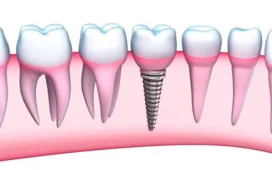
Tooth implant surgery involves placing a titanium post into the jawbone, which serves as the root for a replacement tooth. The procedure is usually performed under local anaesthesia, ensuring patient comfort. Once the implant is secured, the healing process begins, allowing the bone to integrate with the implant. Depending on the treatment plan, a temporary crown may be placed, with the permanent crown fitted after the healing period.
Learn More: A Transformative Solution for Smile Seekers
Recovery and Healing Timeline
Recovery varies depending on each patient’s health and oral condition. Some mild swelling or discomfort is expected in the first few days. Pain relief medication and cold compresses can help manage initial discomfort. Healing involves a process known as osseointegration, where the implant fuses with the jawbone. This stage may take several months but is crucial for long-term stability. Patients should follow dietary guidelines, choosing soft foods during the early recovery period to avoid unnecessary pressure on the implant site.
Importance of Post-Surgery Check-Ups
After surgery, regular check-ups are essential to monitor healing and prevent complications. Dentists examine the implant site, assess gum health, and ensure integration is progressing as planned. These visits also provide an opportunity for professional cleaning and oral care advice. Patients who attend follow-ups consistently enjoy higher success rates and longer-lasting results.
Weighing the Value of Implants
While implant surgery involves an initial financial commitment, its durability and health benefits make it a cost-effective choice in the long run. Affordable dental services give patients a balance of quality care with reasonable pricing. Choosing implants reduces the risk of bone loss and preserves facial structure, benefits that outweigh the temporary inconvenience of surgery and recovery.
Aftercare and Long-Term Maintenance
Maintaining oral hygiene after implant surgery is critical. Patients should brush and floss daily to protect gums and surrounding teeth. Professional cleaning helps prevent infections that could affect the implant’s stability. Lifestyle adjustments, such as reducing sugar intake and avoiding smoking, contribute significantly to the success of the implant. With proper care, dental implants can last for decades, making them a valuable investment in oral health.
Emotional and Practical Considerations
Beyond the physical aspects, patients should prepare mentally for the process. Implant surgery is a step-by-step treatment that requires patience. Understanding that healing takes time helps set realistic expectations. Many patients find the outcome rewarding, as implants restore the ability to chew naturally and enhance confidence in social settings.
To know more about professional tooth implants, book now at Affordable Smiles today.