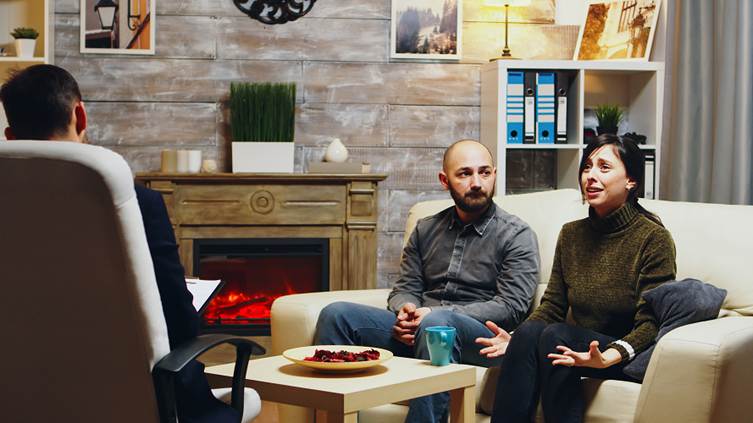
Across Singapore, people are speaking more openly about mental health challenges, emotional stress, and relationship strain. The old narrative—where therapy was something to be ashamed of—has shifted. The pressures of modern life, from professional burnout to personal disconnection, have created a need for structured support. This shift has made counselling services in Singapore an essential part of emotional survival, not just a reactive step when things fall apart.
Stress Is No Longer Isolated to Crisis
The mental strain used to be associated with dramatic breakdowns or traumatic events. Today, people are seeking help for ongoing stress, anxiety, and exhaustion caused by daily life. Constant digital connection, career competition, and strained family roles all contribute to a slow-burning kind of pressure. Recognising these conditions before they spiral into more serious issues is one reason counselling is becoming a first line of support rather than a last resort.
Relationships Are Under Greater Pressure
Work-life balance, financial instability, and shifting gender roles have reshaped expectations in modern relationships. Whether dating, married, or cohabiting, many couples struggle to communicate, manage conflict, or stay connected amid external demands. Relationship counselling in Singapore helps couples develop conflict resolution strategies and recover from emotional distance before the damage becomes irreparable. It reframes therapy as a preventative measure that strengthens relationships through skill-building.
Affordable Options Are Becoming More Visible
One last barrier to therapy was the assumption that help came at a high price. However, increased public awareness and the presence of affordable counselling in Singapore are changing this. Community centres, private practitioners, and NGOs are now offering tiered pricing, telecounselling, and shorter sessions to reach wider groups. Accessibility is expanding, and affordability is no longer seen as incompatible with quality care.
Young Adults Are Leading the Way
Younger generations are more likely to seek counselling without shame. They speak more openly about mental health and emotional regulation, both online and offline. This cultural shift is pushing older generations to reconsider their long-held beliefs. As therapy becomes normalised in workplaces, schools, and social groups, the idea of staying silent through pain is slowly fading. Counselling is being embraced as a practical tool rather than an emotional weakness.
Workplaces Are Integrating Counselling Support
Mental wellness is a part of numerous corporate agendas. Employers are recognising the impact of stress and emotional burnout on productivity and employee retention. Some organisations now offer mental health leave, subsidised therapy, or partner with counselling providers. This approach not only supports individuals—it signals that psychological well-being is valued. The result is a new normal where professional help is integrated into everyday structures.
Learn More: “Is This How the Rest of My Life Will Look?”: How LK and DY Found Healing Through Couple Counselling
Counselling Isn’t Just for Major Life Events
Seeking help doesn’t need to be linked to trauma or crisis. Many individuals use therapy to explore goals, clarify thoughts, or address minor irritations before they escalate. It’s a tool for tuning in—not just for repairing what’s broken. Singapore’s current counselling landscape reflects this, with short-term services and goal-based sessions available through many platforms. This flexibility allows more people to engage with therapy without long-term commitments or stigma.
Emotional Hygiene Is as Important as Physical Health
Ignoring mental stress in the name of resilience can cause long-term damage. Like physical symptoms, emotional issues require regular attention and care. Therapy helps people learn how to regulate emotions, respond to challenges, and understand behaviour patterns. These skills aren’t just for crisis—they’re survival tools that support decision-making, empathy, and personal growth. Counselling services in Singapore are evolving to meet this need by offering relevant support for modern mental health challenges.
For more information about counselling solutions, contact Eagles Mediation Counselling Centre today.