Most people have heard of sleep apnea. And they know it causes loud snoring and makes you feel tired during the day. But the fact that sleep apnea can also hurt your teeth, gums, and jaw surprises many of them.
But it’s the reality. A sleep problem can cause mouth problems, too. And dentists are sometimes the first ones to notice the signs. This is why understanding the connection between sleep apnea and the mouth is critical. The knowledge can help you catch the problem early and get the right help before things get worse.
What Is Sleep Apnea?
Sleep apnea is when your breathing stops and starts over and over while you’re sleeping. The most common kind happens when the muscles in your throat relax too much and block your airway.
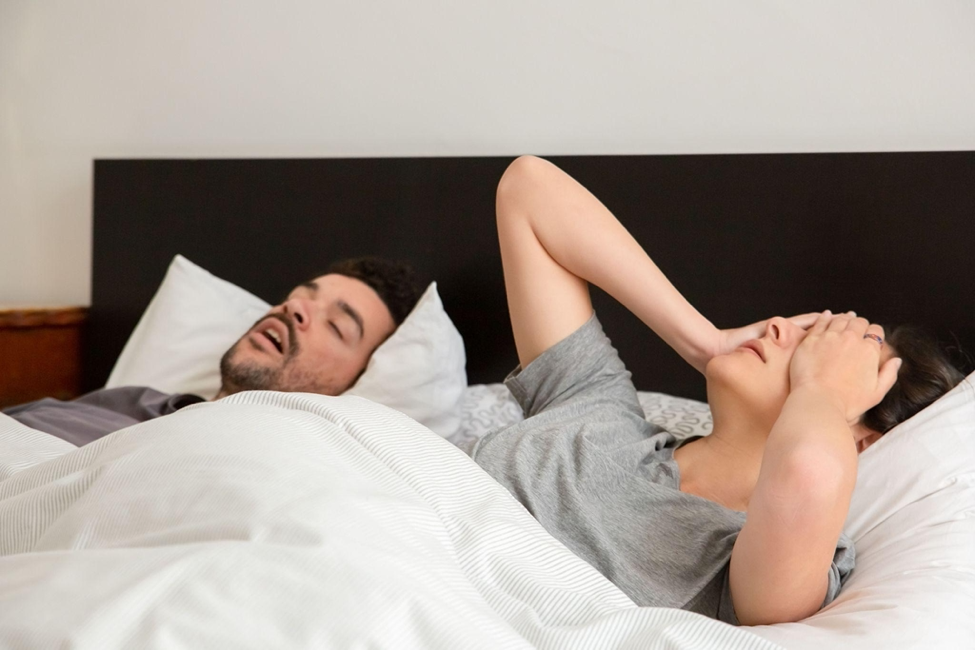
This can happen dozens or even hundreds of times in a single night. You may notice signs such as loud snoring, gasping for air while sleeping, waking up with headaches, feeling exhausted during the day, trouble focusing, or feeling grumpy.
Yet the reality is that sleep apnea can lead to serious health problems if left untreated. Some of these ill-health conditions include high blood pressure, heart disease, and diabetes. That’s why seeing a Sleep apnea doctor in Boca Raton as early as possible really matters.
How Sleep Apnea Hurts Your Mouth
This is where it gets interesting. Sleep apnea does more than affect your breathing. It can damage your mouth in several ways, which include:
-
Teeth Grinding
Many people with sleep apnea grind or clench their teeth at night without even knowing it. This is called bruxism. And over time, it can cause worn-down teeth, chipped or cracked teeth, sensitive teeth, and jaw soreness.
Dentists often detect this by noticing unusual wear patterns on the teeth, which signal a deeper underlying issue.
-
Dry Mouth
You often breathe through your mouth while sleeping when you have sleep apnea. The thing is that this dries out your mouth and eventually hurts your teeth. And that’s because a dry mouth harms your teeth.
Not many people know this. But saliva is like a natural shield for your teeth and gums. Without enough of it, bacteria can grow easily. And when this happens, it leads to more cavities, bad breath, irritated gums, and trouble swallowing.
-
Gum Disease
Research shows that people with untreated sleep apnea are more likely to get gum disease. This is because when your body doesn’t get enough oxygen at night, it has a harder time fighting off swelling and infection — including in your gums.
This reality can lead to bleeding gums, receding gum tissue, and even bone loss around your teeth. In short, some teeth may need to be removed in serious cases. But the good news is that an oral surgeon can walk you through tooth extraction Boca Raton options if gum disease has already caused damage.
-
Jaw Pain
Sleep apnea and teeth grinding often happen together, which puts a lot of extra stress on your jaw joints. As a result, you might notice jaw pain or soreness, clicking or popping sounds when you open your mouth, trouble opening your mouth all the way, and an aching in your face.
But the interesting thing is that for some people, jaw pain is actually one of the first signs that something sleep-related is going on.
Warning Signs to Watch For
Some symptoms often look like normal dental issues, and as a result, many people don’t realize that sleep apnea is the cause. That said, here are critical signs to watch out for:
- Grinding your teeth at night
- Waking up with headaches
- Teeth that look worn down for no clear reason
- Dry mouth every morning
- Ongoing bad breath
- Jaw stiffness or pain
- A partner telling you that you snore loudly
Now here’s the thing: if you have several of these symptoms along with daytime tiredness, it’s worth talking to a doctor or dentist about sleep apnea.
How Dentists and Oral Surgeons Can Help
You might think sleep apnea is only treated by sleep doctors, but in reality, oral surgeons can play an enormous role, too. Essentially, they can look at the shape of your jaw, the size of your airway, and how your tongue sits in your mouth to figure out what might be blocking your breathing at night.
Yet, the bottom line is that treatment options may include the following, depending on what they find:
Lifestyle changes — These include things like losing weight, changing your sleep position, or avoiding alcohol before bed.
A custom mouth device — a special mouthguard that holds your jaw in a better position to keep your airway open. This works well for mild to moderate sleep apnea.
Surgery — for some patients, a procedure can remove extra tissue or fix the position of the jaw to improve airflow. An oral and maxillofacial surgeon can help determine whether this is the right path.
However, note that if surgery or implants are part of your treatment plan, Dental implants Boca Raton specialists can work alongside your care team to ensure your mouth stays healthy throughout the process.
Why Getting Help Early Makes a Big Difference
The longer sleep apnea goes untreated, the more damage it can do to your sleep, health, and mouth. And that’s why getting it diagnosed and treated early is important. Doing this helps you sleep better and feel more rested, protect your teeth from grinding and wear, and reduces dry mouth and bad breath.
Another benefit of treating sleep apnea is that it can keep your gums healthier and improve your energy and mood. Ultimately, many patients say they feel like a whole new person after getting the right treatment.
Don’t Ignore the Signs
The bottom line is that sleep apnea is more than just a snoring problem. It can quietly damage your teeth, gums, and jaw over time — often without you even realizing it.
That’s why if you wake up tired, grind your teeth, have jaw pain, or deal with dry mouth every morning, you don’t brush it off. These could be signs of sleep apnea. And if you’ve already had dental procedures like Wisdom teeth removal in Boca Raton, or other oral surgeries, it’s especially important to ensure your airway and jaw health are also in good condition.
The idea is to talk to a dentist or oral surgeon about what you’re experiencing. Getting the right help early can protect both your smile and your overall health for years to come.