
A plant species that is scientifically known as Mimosa tenuiflora is often referred to as Mimosa Hostilis. It is a perennial tree or shrub that is a member of the Leguminosae family of legumes. The plant is indigenous to Latin America and has long been used in local botanical customs.
The root bark
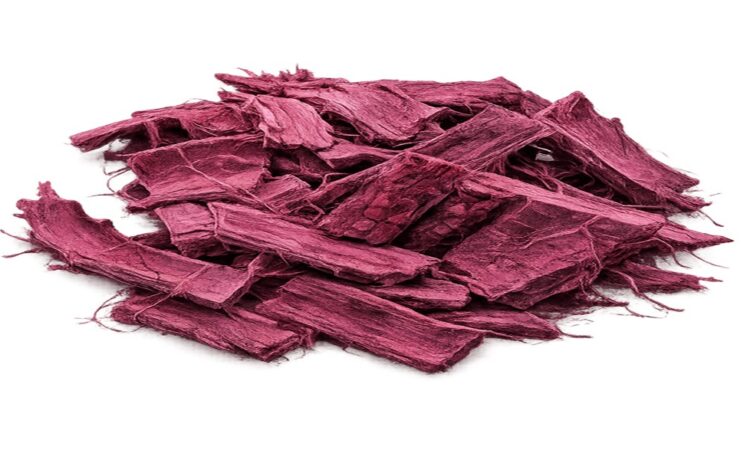
The outer coating of the plant’s roots is referred to as “root bark.” The root system of a tree is made up of a protective outer layer around a woody inner core. That outer covering is called the root bark. Before being used, it is separated from the root wood and dried. In terms of biochemistry, root bark differs from trunk or branch bark in that it typically contains more tannins, pigments, and other phytochemicals. The most valuable layer is the inner root bark, which is the fibrous, dark-colored substance immediately underneath the outermost layer. Serious users always focus on choosing proper Mimosa hostilis root bark for sale to use for the intended purpose.
Different origins with different textures
Although Mimosa Hostilis grows throughout most of Latin America, it is primarily gathered for economic purposes in two areas. Larger trees with thicker bark are typically produced by the Brazilian type. Usually, bark ranges in hue from medium purple to reddish-brown. It is easier to grind into a fine powder because of its drier, less resinous texture. It has a rich traditional and cultural legacy among indigenous people in northeastern Brazil and is readily accessible and exported in significant quantities.
This variety is primarily found in Mexico’s southern states of Oaxaca and Chiapas. The trees grow in hot, semi-arid climates with sandy, well-draining soils. Smaller trees with thinner, more fibrous bark are typically produced by the Mexican variant. The hue of bark is typically deep purple to burgundy. Bark provides a deeper, more textured feel because of its increased resin and fat content. Compared to Brazilian bark, it is produced in smaller quantities. Its use is well ingrained in the indigenous Mexican and Mayan botanical traditions.
Both sources are authentic Mimosa Hostilis. The two have different physical and phytochemical traits due to the variations in the growth environment, especially the kind of soil, humidity, and rainfall. Depending on their intended use, serious buyers frequently have a preference.