

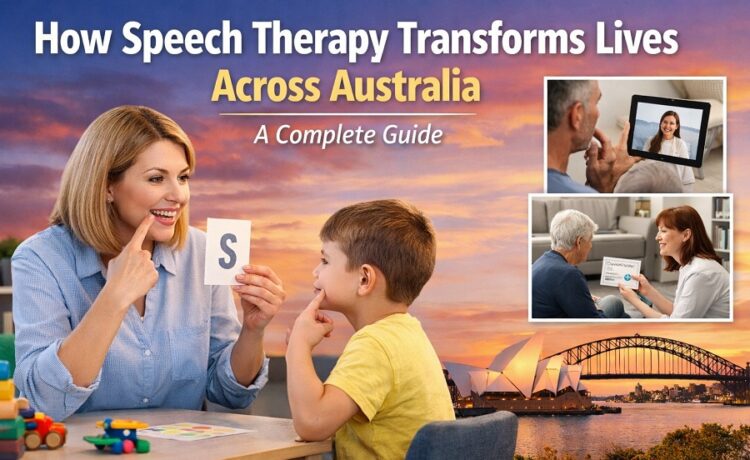
Communication is at the heart of human connection. Whether it’s a child learning their first words or an adult recovering from a stroke, the ability to express thoughts clearly shapes confidence, relationships, and quality of life.
Across Australia, the demand for speech therapy is growing rapidly as more people recognize the importance of early intervention and ongoing support. From urban centers to regional communities, access to effective therapy is transforming lives every day.
What Does a Speech Therapist Do?
A speech therapist plays a critical role in helping individuals overcome communication challenges and improve their ability to speak, understand, and interact.
Key Areas They Help With
- Speech delays in children
- Language development issues
- Stuttering and fluency disorders
- Voice and pronunciation problems
- Social communication skills
Speech therapists use evidence-based techniques tailored to each individual, ensuring personalized progress and long-term results.
Speech Pathologist vs Speech Therapist
Many people wonder if there’s a difference between these two terms. In Australia, they are often used interchangeably.
A speech pathologist is a qualified healthcare professional trained to assess, diagnose, and treat communication and swallowing disorders.
Why This Matters
Understanding the terminology helps individuals and families confidently seek the right support without confusion.
Who Needs Speech Therapy?
Speech therapy benefits people of all ages, not just children.
Children
- Late talkers or speech delays
- Difficulty understanding language
- Challenges with social communication
Early intervention can significantly improve a child’s academic and social development.
Adults
- Stroke or brain injury recovery
- Neurological conditions (e.g., Parkinson’s disease)
- Voice disorders or articulation issues
Therapy helps adults regain independence and confidence in everyday communication.
The Rise of Mobile Speech Therapy in Australia
One of the most significant advancements in recent years is mobile speech therapy.
Why It’s Growing in Popularity
- Convenience: Therapy delivered at home, school, or workplace
- Comfort: Familiar environments improve engagement
- Accessibility: Ideal for rural and remote areas
Mobile services remove barriers, making therapy more inclusive and effective for Australians nationwide.
Benefits of Early Intervention
Starting speech therapy early can lead to life-changing outcomes.
Key Benefits
- Faster development of communication skills
- Improved confidence and self-esteem
- Better academic and social performance
- Reduced long-term challenges
The earlier therapy begins, the greater the impact on lifelong communication abilities.
How to Choose the Right Speech Therapy Service
Finding the right provider is essential for success.
What to Look For
- Certified and experienced professionals
- Personalized treatment plans
- Flexible service options (including mobile therapy)
- Strong reputation and client outcomes
Choosing a provider that adapts to your needs ensures consistent progress and a positive experience.
The Future of Speech Therapy in Australia
Speech therapy continues to evolve with advancements in technology and service delivery.
Emerging Trends
- Telehealth and hybrid therapy models
- Increased use of digital tools and apps
- Greater focus on individualized care
These innovations are making therapy more accessible, efficient, and tailored than ever before.
Conclusion
Speech therapy is more than just improving speech—it’s about unlocking potential, building confidence, and enhancing quality of life.
Whether for children developing language skills or adults regaining communication abilities, the right support can make a profound difference. With growing accessibility through mobile and personalized services, Australians now have more opportunities than ever to benefit from expert care.
FAQs
What is the difference between a speech therapist and a speech pathologist?
There is no major difference in Australia—both terms refer to qualified professionals who diagnose and treat communication disorders.
How do I know if my child needs speech therapy?
If your child has difficulty speaking, understanding language, or interacting socially compared to peers, it’s best to seek an assessment early.
Is mobile speech therapy effective?
Yes, mobile speech therapy is highly effective as it provides treatment in familiar environments, improving comfort and engagement.
How often should speech therapy sessions be?
Frequency depends on individual needs, but most people benefit from weekly or regular sessions guided by a professional.