Eczema continues to affect many in Singapore, with hot weather, humidity, and diet playing key roles. Traditional Chinese Medicine (TCM) provides a different perspective on managing eczema. Food choices, according to TCM, influence skin conditions directly. Understanding foods that trigger eczema and their properties helps sufferers avoid flare-ups.
Understanding TCM’s View on Eczema
TCM practitioners view eczema as an imbalance in internal systems. Heat, dampness, and wind within the body trigger skin inflammation. These patterns differ per individual. One person might suffer from “damp-heat,” another from “blood dryness.” Food intake, when aligned with TCM diagnosis, helps regulate these imbalances. Cooling foods help reduce internal heat. Moistening foods aid dry skin patterns. Pungent or spicy food worsens internal wind.
Choosing the best TCM for eczema in Singapore requires understanding personal body constitution. Consultation with certified practitioners helps create specific food guides. They assess your skin’s condition, pulse, and tongue. Then, they advise dietary adjustments and herbal prescriptions. They also advise avoidance of common triggers like shellfish, fried snacks, and processed food.
TCM never adopts a one-size-fits-all approach. The treatment plan, including food recommendations, depends on the dominant pattern in your body. Consistency matters. Eating the correct food daily supports long-term skin health.
Foods That Trigger Eczema According to TCM
Certain foods that trigger eczema may disrupt internal balance. They intensify heat, dampness, or wind. These foods trigger eczema flares in many patients. People with eczema should reduce or avoid them.
Shellfish generate internal heat and dampness. Prawns, crabs, and lobsters often cause itchiness and redness. Fried food also creates internal heat. Deep-fried chicken or snacks aggravate hot-type eczema. Processed meat and sugary desserts trap dampness in the body. They create blockages that reflect on the skin.
Alcohol worsens internal heat. Even small amounts cause inflammation. Chilli, pepper, and curry increase wind and heat. They make the skin itchier and more irritable. Dairy products, especially cheese and cream, form dampness. This disturbs digestive function in people with spleen deficiency, making eczema worse.
Peanuts and soy products trigger reactions in some individuals. TCM flags them as damp-producing. Soft drinks, bubble tea, and caffeinated beverages also stress the body. Cutting back prevents recurring symptoms.
Knowing which foods trigger eczema helps eczema sufferers manage symptoms positively. These foods often appear in daily meals. Replacing them with cooling, anti-inflammatory options creates visible results.
Recommended TCM Foods to Eat
TCM recommends foods that cool the blood, clear heat, remove dampness, and nourish the skin. These foods support internal balance and reduce eczema symptoms. They work better when included in daily meals consistently.
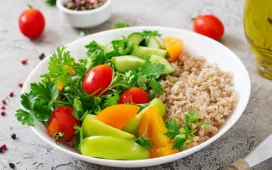
Green leafy vegetables like bok choy and spinach reduce internal heat. Bitter melon and cucumber cool the body. Mung beans detoxify and clear damp-heat. Consuming mung bean soup regularly benefits those experiencing red, oozing rashes.
Barley helps eliminate dampness. TCM recommends barley water or boiled barley in porridge form. Pears and watermelon hydrate and cool the body. They soothe dry or inflamed skin patterns. Lotus root benefits people with blood deficiency and supports skin regeneration.
Millet and brown rice, compared to glutinous rice, support digestion without creating dampness. Fish such as cod and threadfin are easier to digest and produce less heat than crustaceans.
Herbal teas, like chrysanthemum and honeysuckle, offer cooling effects. They relieve heat symptoms such as redness and itchiness. Drinking these teas regularly supports eczema recovery.
People choosing the best TCM for eczema in Singapore also benefit from eating these healing foods alongside their prescribed herbal treatments. Results come gradually. Regular meals based on these suggestions reduce flare-ups.
Creating a Practical TCM Meal Plan
Daily food habits must support healing. Building a practical plan based on TCM principles ensures progress. Meals should be warm, lightly cooked, and include skin-friendly ingredients.
Start mornings with warm millet porridge topped with pumpkin or goji berries. Midday meals should include steamed vegetables, barley soup, and lean white meat. Avoid raw salads, as TCM believes cold raw vegetables weaken digestion. Include bitter vegetables for their heat-clearing properties.
Afternoon snacks should be light. Try boiled sweet potato or pear slices. Avoid biscuits or ice cream, as they trap dampness and worsen skin issues. End your day with clear soups using winter melon, carrots, and herbal ingredients like red dates or lotus seeds.
TCM does not support excessive cold drinks. Opt for warm water or herbal tea throughout the day. Monitor your skin’s response weekly. If symptoms reduce, continue refining your food list under guidance from a TCM professional.
Following the right plan consistently supports skin health. Your body system strengthens. Eczema symptoms gradually reduce.
Conclusion
Managing eczema through TCM food principles requires discipline and guidance. Identifying and avoiding foods that trigger eczema helps prevent flares. Eating healing foods strengthens your system and supports skin repair. Choosing the best TCM for eczema in Singapore includes consulting trained practitioners and following a personalised food plan.
Singapore’s climate makes eczema management harder without food awareness. Support your healing process through diet control and consistent habits. Every meal plays a part in restoring balance and comfort.
Ready to explore a holistic approach to eczema relief? Contact Tangs Clinical TCM for Chinese medicine for eczema in Singapore.