
Idiopathic pulmonary fibrosis at a glance
- Idiopathic pulmonary fibrosis, or IPF, is a chronic disease in which lung tissue becomes scarred for reasons that remain unknown after a careful evaluation.
- Shortness of breath and a persistent dry cough are common, but these symptoms also occur in heart disease, infection, COPD, asthma, and other lung conditions.
- Diagnosis usually combines exposure and medicine history, lung function testing, oxygen assessment, high-resolution CT imaging, and specialist review. Some people need additional procedures.
- Care can include antifibrotic medicine, oxygen when indicated, pulmonary rehabilitation, vaccination, symptom support, and timely discussion of lung transplantation for selected people.
- Sudden or rapidly worsening breathlessness, blue or gray lips, chest pain, confusion, fainting, or very low oxygen readings needs urgent or emergency assessment.
What idiopathic pulmonary fibrosis means
Idiopathic pulmonary fibrosis is one form of interstitial lung disease. It affects the tissue around the tiny air sacs where oxygen moves into the blood. Repeated injury and abnormal repair make this tissue thick and stiff, creating permanent scarring called fibrosis. As scarring advances, the lungs have more difficulty expanding and transferring oxygen. The word idiopathic means that clinicians do not identify a specific cause after evaluating recognized exposures, medicines, autoimmune diseases, and other possible explanations.
IPF is not the same as chronic obstructive pulmonary disease. COPD primarily involves obstructed airflow in the airways, often in the setting of smoking or other inhaled exposures. IPF primarily affects the lung interstitium and typically produces a restrictive pattern. A person can have both conditions, and their symptoms can overlap. This page owns the IPF overview and does not replace the existing COPD guide or a broader interstitial lung disease assessment.
The course varies. Some people change gradually over years, while others lose lung function more quickly. Periods of relative stability can be interrupted by an acute exacerbation, which is a substantial worsening over days or weeks. An infection, blood clot, heart problem, fluid buildup, or another emergency can resemble an exacerbation, so a sudden change should not be labeled at home.
Symptoms and changes over time
Breathlessness during activity is often an early concern. A person may notice that stairs, hills, shopping, bathing, or keeping pace with others requires more pauses. A dry cough can be persistent and exhausting. Fatigue, reduced appetite, unintended weight loss, chest discomfort, and aching muscles or joints may occur. Some people develop clubbing, a change in the shape of the fingertips and nails. None of these findings confirms IPF.
As the disease progresses, activity that was once comfortable may cause breathlessness. Low blood oxygen can develop during exertion, sleep, or rest. The right side of the heart may become strained when pressure in the lung blood vessels rises. Respiratory failure can occur when the lungs cannot provide adequate oxygen or remove carbon dioxide without support. The direction of change matters more than one isolated good or bad day.
Cough and breathlessness can affect sleep, conversation, eating, work, travel, intimacy, and emotional health. Anxiety may worsen the feeling of breathlessness, but symptoms should not be dismissed as anxiety. Pulmonary rehabilitation and practical pacing can help people use their available energy while the medical team evaluates changes in lung function and oxygen needs.
When breathing symptoms are urgent
Call emergency services for severe breathlessness at rest, blue or gray lips or face, confusion, fainting, inability to speak in full sentences, new crushing or persistent chest pain, coughing up more than a small streak of blood, or an oxygen reading far below the personal action threshold provided by the treating team. Do not drive yourself when breathing is severely impaired.
Contact the respiratory team promptly for a clear increase in breathlessness or cough, fever, new sputum, leg swelling, one-sided calf pain, reduced exercise tolerance, repeated nighttime waking because of breathing, or a new oxygen requirement. These changes may reflect infection, a blood clot, heart strain, medicine effects, or an acute exacerbation. A home oximeter can add information, but a normal number does not rule out a serious problem and an inaccurate reading should not delay care.
Risk patterns and possible contributors
IPF is diagnosed most often in older adults. Smoking history and a family history of pulmonary fibrosis are associated with greater risk. Certain genetic variants and changes related to aging may influence how lung tissue responds to injury. These factors do not establish a diagnosis and do not mean that every relative will develop disease.
Before calling fibrosis idiopathic, clinicians look for other causes. Questions may cover work with metal, wood, stone, farming materials, birds, mold, or dust; home and hobby exposures; smoking and vaping; radiation; previous infection; and medicines known to injure the lungs. Blood tests and clinical history may look for autoimmune conditions. Removing an exposure can be important when another interstitial lung disease is found, but it does not reverse established IPF scarring.
Online lists can make ordinary exposures seem diagnostic. Many people have encountered dust, smoke, pets, or mold without developing pulmonary fibrosis. The important task is a detailed timeline, intensity and duration of exposure, imaging pattern, examination, and specialist interpretation.
How clinicians diagnose IPF
Evaluation starts with symptom timing, medical and family history, medicines, occupational and environmental exposures, and a physical examination. Fine crackling sounds at the lung bases and finger clubbing can support concern but are not unique to IPF. Clinicians also assess for swelling, heart findings, skin or joint changes, muscle weakness, reflux symptoms, and other clues to a different cause.
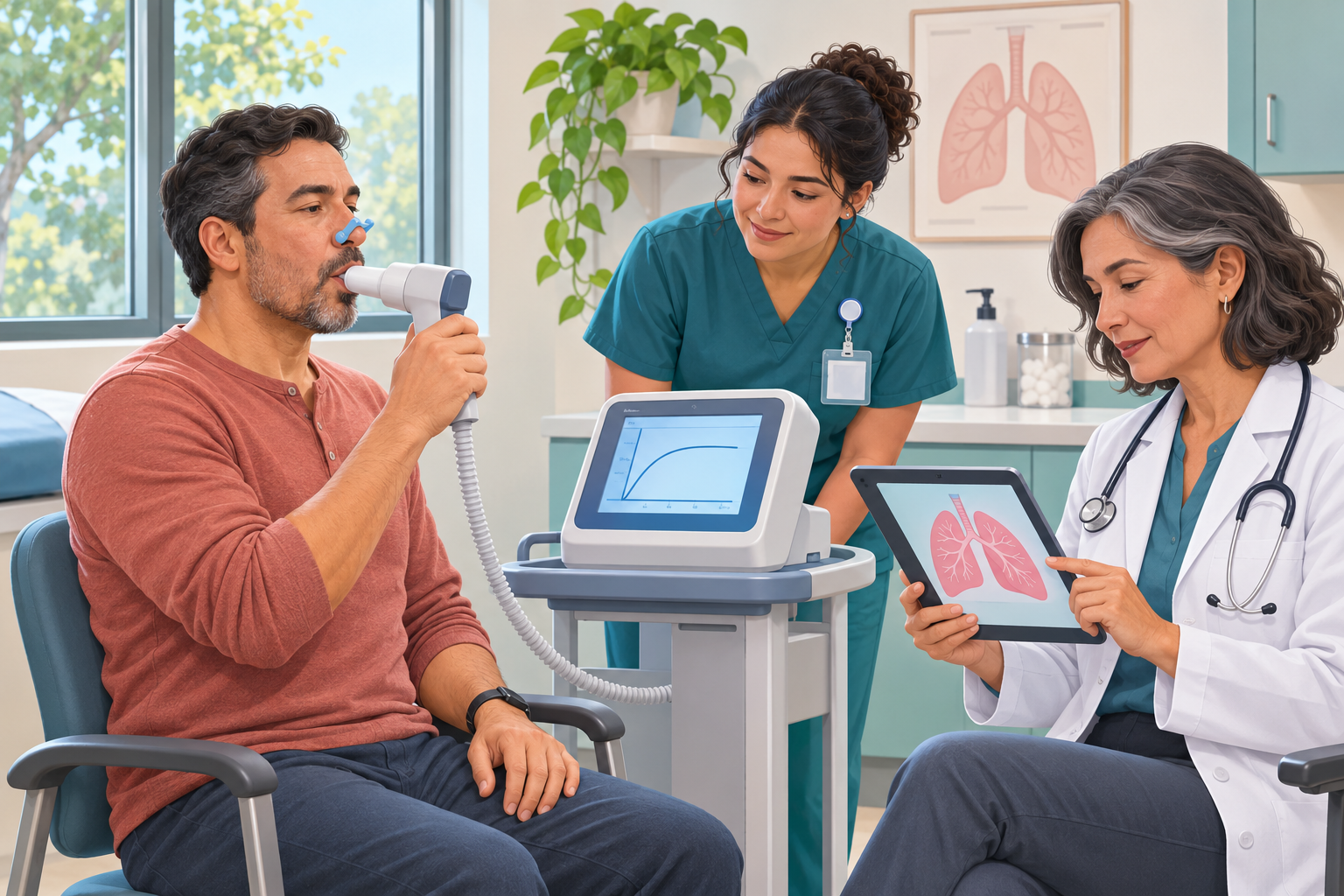
High-resolution CT of the chest is central because it can show the location and pattern of scarring. A usual interstitial pneumonia pattern can support IPF when the clinical setting fits and alternative causes have been excluded. Lung function tests measure volumes and gas transfer and help establish a baseline for follow-up. A walking test and oxygen measurements can show how activity affects oxygen levels. Blood tests may evaluate autoimmune disease and other contributors.
Some cases are discussed by a team that includes pulmonology, chest radiology, and pathology. Bronchoscopy, fluid sampling, or lung biopsy may be considered when imaging and history do not provide enough certainty, but these procedures have risks and are not required for everyone. The benefit of gaining more diagnostic information should be weighed against age, health, and whether the result would change care.
Treatment and ongoing management
There is no treatment that removes established fibrosis. Antifibrotic medicines can slow loss of lung function for some people. They do not restore normal lungs, and they can cause side effects or interact with other medicines. The choice to start or continue one requires discussion of expected benefit, liver monitoring, gastrointestinal effects, bleeding considerations, other health conditions, cost, and the person’s goals. Do not start, stop, share, or change a prescription from this guide.
Oxygen may be prescribed when blood oxygen is low during rest, activity, or sleep. The flow and equipment should match tested needs and the clinical plan. Oxygen supports the body but does not cure fibrosis. It also has fire and trip hazards, so smoking, flames, tubing safety, travel planning, and equipment maintenance require instruction.
Pulmonary rehabilitation combines supervised activity, breathing and energy-conservation strategies, education, and support. Vaccination and prompt evaluation of respiratory infection can reduce avoidable risk. Nutrition support may help when eating is difficult or weight is falling. Reflux, sleep problems, anxiety, depression, cough, and palliative symptom needs deserve attention alongside disease-focused care.
Lung transplantation may be an option for selected people with serious or progressing disease. Eligibility depends on lung severity, other organs, infection and cancer history, rehabilitation potential, support, and transplant-center criteria. Evaluation is lengthy, and referral may be useful before a crisis. Transplantation brings major risks, including rejection, infection, lifelong immune-suppressing treatment, and limited organ availability.
Monitoring progression and planning ahead
Follow-up may include symptoms, activity, lung function, oxygen levels, imaging when clinically useful, and treatment side effects. A small home record can note walking tolerance, cough disruption, oxygen use, fever, swelling, weight, and medicine problems. It should support communication rather than encourage repeated testing without a plan.
Ask the team for a written action plan that defines which changes require a same-day call and which require emergency services. Discuss travel altitude, flying, pulmonary rehabilitation, work exposures, advance care preferences, and when palliative care could improve comfort. Palliative care can be provided alongside antifibrotic therapy or transplant evaluation and does not mean stopping active treatment.
Preparing for a respiratory appointment
Bring prior chest imaging on disc when requested, lung test reports, a complete medicine and supplement list, oxygen settings, smoking history, family lung history, and a detailed work and home exposure timeline. Note when cough and breathlessness began, what activities trigger them, and whether change was gradual or sudden. Include any autoimmune symptoms such as swollen joints, unusual rashes, dry eyes, or muscle weakness.
Ask what imaging pattern is present, which alternative causes have been excluded, whether multidisciplinary review is needed, and how certain the diagnosis is. Clarify the goals and monitoring of each treatment, pulmonary rehabilitation access, oxygen instructions, vaccination, transplant referral timing, clinical trial options, and the exact urgent-care plan.