
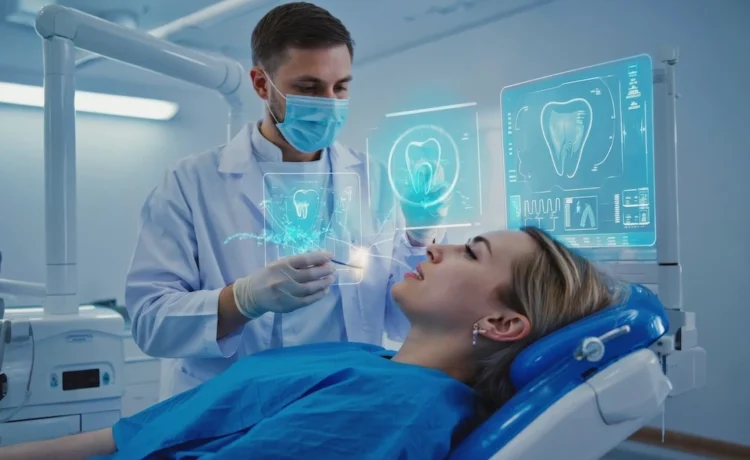
Multiple front tooth gaps in adults persist or reappear due to reasons that extend beyond simple spacing. Gaps are distributed across several positions instead of concentrating in one isolated spot when the jaw arch is wider than the anterior teeth combined.
- Tongue posture,
- Tooth size discrepancy relative to arch length,
- Prior extractions were left without replacement
Each contributes to this pattern in distinct ways. Patients who check out this site before scheduling gain clarity on what structural evaluation involves, since each case receives individual clinical review before any cosmetic pathway moves forward. Adults who previously wore braces and discontinued retainer use often see anterior spacing return, sometimes affecting three to four front teeth at the same time. Periodontal bone loss also causes teeth to move slowly, widening gaps that remained stable for years. Treating visible gaps without addressing their origin leads to recurrence within months. This makes structural diagnosis a non-negotiable prerequisite to any anterior correction plan. Bite relationship, arch symmetry, and gum tissue health are each reviewed during this phase to ensure the chosen procedure produces a durable outcome.
Which procedure closes multiple gaps precisely?
When gaps span several adjacent front teeth, the choice of cosmetic procedure depends on gap width distribution across the arch. It also depends on the enamel condition and whether tooth repositioning or surface coverage is more clinically appropriate for the case. No single procedure applies uniformly to all multiple anterior gaps.
- Composite bonding closes narrow, evenly spaced gaps with minimal tooth preparation. It can be completed within a single clinical session without laboratory fabrication.
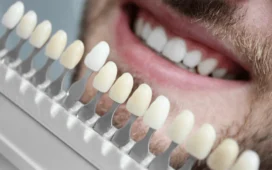
- Porcelain veneers are indicated when gaps are moderate, and the patient also requires correction of tooth shade, length, or surface texture simultaneously.
- Clear aligners physically move teeth into the correct positions. They are preferred when gaps result from tooth drift or arch spacing rather than an inherent size mismatch between teeth and jaw.
- Combined veneer and aligner sequencing applies when spacing is partially positional and partially proportional, requiring both controlled movement and subsequent surface refinement.
Each option carries specific eligibility criteria tied to gum health, bone support, and existing bite relationship. None of these can be determined through visual assessment alone, which is why radiographic review forms part of the initial consultation.
Coordinating anterior gap correction
Anterior gap correction across multiple teeth rarely follows a single-procedure pathway in adult cases. When gaps vary in width across the front arch, uniform closure through one method often produces disproportionate tooth appearance that looks unnatural at conversational distance. A coordinated plan sequences orthodontic movement first to even out spacing, followed by cosmetic refinement to achieve symmetrical proportion across all anterior teeth.
Gum tissue assessment forms a necessary component of treatment planning. Teeth with gap-affected gingival margins adversely affect the aesthetics, even after spacing has been corrected fully. In order to achieve the best cosmetic results, periodontal contouring is necessary before veneers are placed.
Tooth shade selection, contact point placement, and incisal edge alignment are all determined during the planning phase rather than at the point of procedure. Adults with multiple front gaps who undergo coordinated multi-specialist treatment achieve more stable and proportionate outcomes than those who address spacing through isolated cosmetic intervention without prior structural assessment.