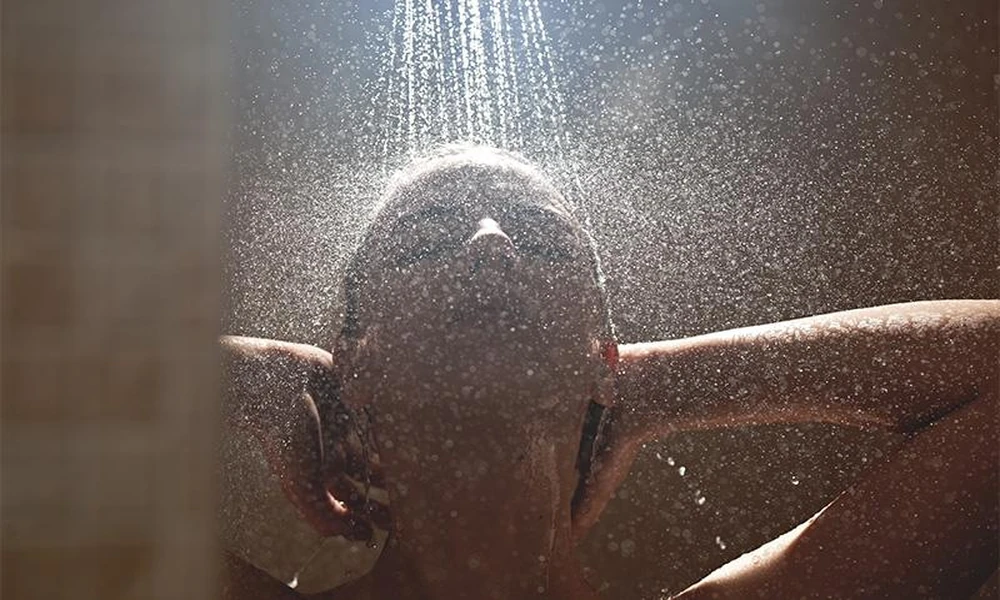
- Using hot water for hair washing strips away the natural sebum that protects and hydrates the scalp.
- Misidentifying dry scalp as dandruff and using harsh anti-dandruff shampoos can lead to further irritation and flaking.
- Alcohol-based styling products and heavy silicones can create a barrier that prevents moisture from reaching the skin.
- Seeking a professional dry scalp treatment in Singapore is more effective than relying on “heavy” oils that can clog pores.
Introduction
A dry, tight scalp can be just as frustrating as an oily one. It often comes with a persistent itch and fine, white flakes that settle on your shoulders. You might think the solution is simple: just add more oil or wash it less. However, the scalp is a delicate ecosystem, and many common habits can actually make the dryness worse. If you have been slathering on heavy creams or avoiding the shower in hopes of retaining moisture, you might be surprised to learn that you are actually contributing to the problem. Finding the right scalp treatment for dry scalp requires understanding what your skin actually needs versus what you think it needs.
The Danger of Scalding Hot Showers
There is nothing quite like a hot shower to unwind after a long day, but your scalp probably hates it. High temperatures strip away the natural oils (sebum) that act as a protective barrier. Without this barrier, moisture evaporates quickly from the skin, leaving it parched and prone to cracking. This is especially true in air-conditioned environments common in Singapore, where the air is already quite dry. When you step out of a hot shower into a cold room, your scalp loses even more hydration through a process called transepidermal water loss.
To fix this, try switching to lukewarm or even cool water for your hair. It might not feel as luxurious, but it helps keep the cuticle closed and the skin’s moisture intact. If you cannot give up your hot showers, at least try to keep your head out of the direct stream until the very end. This simple change can significantly reduce the “tight” feeling you get after washing. Remember, your scalp is an extension of your face; you wouldn’t wash your face with boiling water, so why do it to your head?
Misdiagnosing Flakes as Dandruff
One of the most frequent mistakes is assuming every flake is dandruff. True dandruff is usually caused by an overgrowth of yeast and results in oily, yellowish flakes. Dry scalp flakes, on the other hand, are small, white, and “dust-like.” If you use a harsh anti-dandruff shampoo on a dry scalp, the active ingredients (like zinc pyrithione or ketoconazole) will likely dry out your skin even further. This leads to more flaking, which makes you use more shampoo, creating a never-ending cycle of irritation.
A professional dry scalp treatment in Singapore begins with a proper diagnosis. A specialist uses high-definition cameras to see whether your flakes are caused by dryness or fungal activity. Once you know the cause, you can use products that actually provide hydration. Bio Organicare treatments, for example, focus on soothing botanical ingredients that replenish the skin’s moisture levels without the use of aggressive chemicals. It is about feeding the skin what it lacks, rather than stripping away what it needs. Stop the guesswork and start treating the actual condition.
Overloading with Heavy Oils and Butters
It seems logical: if the scalp is dry, put oil on it! Many people turn to thick coconut oil, olive oil, or heavy hair butters. While these can sit on top of the skin and provide a temporary feeling of relief, they often do not penetrate the skin barrier effectively. Instead, they can trap bacteria and dead skin cells against the scalp, leading to “cradle cap” in adults or even folliculitis. These heavy oils can also be very difficult to wash out, leading to more aggressive scrubbing that further irritates the dry skin.
The best scalp treatment for dry scalp involves lightweight, “biomimetic” ingredients that mimic the scalp’s natural oils. These are easily absorbed and work to repair the skin barrier from within. Professional treatments often use steam or specialised technology to ensure these hydrating agents reach the deeper layers of the dermis. This provides long-lasting relief rather than a greasy surface layer. If you must use oils at home, stick to lightweight options like jojoba or argan oil, and always ensure they are thoroughly cleansed away during your next wash.
Neglecting Internal Hydration and Nutrition
We often forget that our scalp’s health is a reflection of our internal health. If you are dehydrated or lacking essential fatty acids, no amount of external cream will completely fix the dryness. A diet low in Omega-3s, Zinc, and Vitamin E can leave your skin feeling like parchment. Furthermore, excessive caffeine or alcohol consumption can have a diuretic effect, pulling moisture away from your skin cells. In our busy Singaporean lifestyles, it is all too easy to rely on coffee and skip the water.
Improving your water intake and incorporating healthy fats like salmon, walnuts, and flaxseeds can make a noticeable difference over time. Think of it as hydrating from the inside out. When combined with a professional dry scalp treatment, these lifestyle changes create a comprehensive approach to scalp health. It is about creating a sustainable environment for your hair to thrive. Your scalp is a living organ, and it needs the right fuel to maintain its elasticity and moisture levels. A holistic approach always yields the most enduring results.
Conclusion
Managing a dry scalp is about being gentle and informed. By avoiding hot water, correctly identifying your flakes, and choosing the right hydrating ingredients, you can turn a parched scalp into a healthy one. It is easy to fall into the trap of quick fixes, but long-term health requires a bit more care and professional insight. If you have been struggling with persistent dryness and “home fixes” aren’t working, it is time to seek an expert’s opinion. A healthy, hydrated scalp is just a consultation away. Get to know more about Bio Organicare Scalp to restore your scalp’s natural balance.