
The COVID-19 pandemic reshaped many aspects of daily life, including how people approach workplace safety. In Singapore, as businesses adjusted to new operational norms, personal protective equipment (PPE) evolved from being niche-specific gear to an essential component across a wide range of sectors. From healthcare to construction and logistics, employers turned to reliable PPE equipment suppliers to ensure continuity, safety, and compliance.
With the rise in demand, the role and scope of PPE have expanded beyond traditional settings. What was once predominantly used in hospitals and hazardous worksites has now become an everyday necessity in offices, retail spaces, and public transportation. This shift signifies more than just heightened awareness; it represents a cultural pivot towards safety-first mindsets.
Widened Scope Of PPE In Singapore’s Workplaces
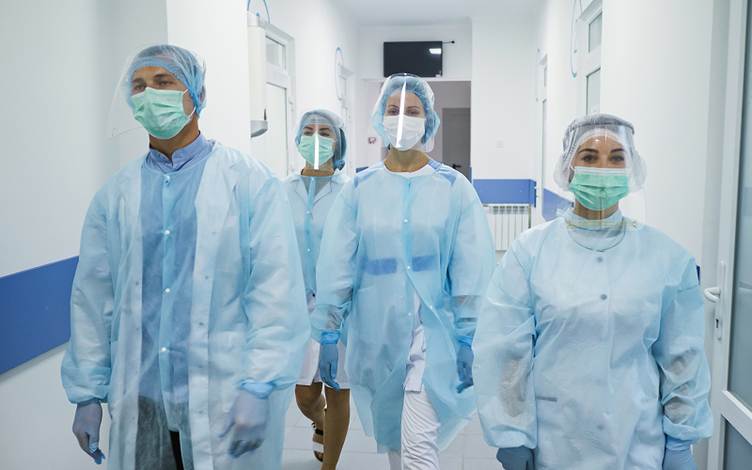
Before the pandemic, PPE was generally associated with industries that posed visible risks—chemical exposure, heavy machinery, or construction zones. However, COVID-19 changed this perception rapidly. Today, items such as masks, gloves, face shields, and disposable gowns are standard requirements, especially in customer-facing roles.
In Singapore’s densely populated urban environment, the emphasis on community health has underscored the importance of proactive protection. PPE is no longer seen as optional or excessive but as a responsible and necessary measure to prevent disruption and protect public health. Companies that previously had little to do with protective gear now maintain partnerships with PPE equipment suppliers to ensure they have stockpiles ready for various emergency scenarios.
How the Pandemic Altered Procurement Strategies
As PPE demand surged, organisations realised that ad-hoc sourcing was no longer sustainable. Panic-buying, disrupted supply chains, and counterfeit goods exposed vulnerabilities in procurement systems. This led many companies in Singapore to establish long-term arrangements with vetted PPE distributors in Singapore markets.
Procurement strategies now prioritise consistent availability, certified quality, and timely delivery. Many firms have implemented monitoring systems that track PPE stock levels alongside employee usage rates. The goal is not just to comply with health regulations, but to build resilient infrastructures that can swiftly adapt to future disruptions. The shift toward digital procurement platforms also helped streamline operations, allowing safety officers to make informed decisions based on real-time data.
Industry-Specific Adaptations And Innovations
In construction and manufacturing, where physical safety has always been a top priority, the integration of pandemic-era measures came naturally. New PPE items were added to existing safety kits, and traditional ones like helmets and boots received upgrades to offer antimicrobial properties.
At the same time, innovations in PPE design gained traction. Materials with enhanced breathability, durability, and reusability became important, especially for long-term use. Meanwhile, sectors like food service, education, and retail had to develop entirely new PPE protocols tailored to their operational dynamics. These changes brought a surge in collaboration between safety consultants and PPE equipment suppliers to customise gear that met both safety and comfort requirements.
Role Of Footwear In Occupational Safety
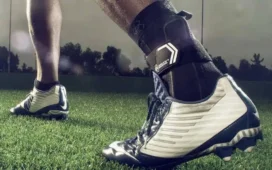
While masks and gloves were the most visible elements of pandemic-era PPE, footwear also played an important part in full-body protection. A reliable safety shoes supplier became just as crucial for many businesses aiming to minimise workplace hazards.
Safety shoes protect workers from more than falling objects or electrical hazards. In the post-pandemic world, they also help prevent microbial contamination in sensitive environments like healthcare centres, cleanrooms, and pharmaceutical manufacturing facilities. Shoes designed with slip-resistant soles and antibacterial linings are now in higher demand than ever before. Singaporean companies are actively investing in these footwear upgrades as part of their comprehensive PPE strategies.
The Future Of PPE In A Post-COVID Society
As Singapore moves into an endemic COVID-19 phase, the reliance on PPE is unlikely to wane. Most safety officers consider PPE a cornerstone of employee wellness policies. Firms that previously invested in stop-gap PPE solutions are now turning to established PPE distributors in Singapore networks for sustainable and scalable supply models.
Workplaces have also seen a cultural shift. Wearing PPE is no longer viewed as cumbersome or stigmatising; it is a respected practice that signifies care for one’s colleagues and customers. Government advisories, coupled with industry-specific safety guidelines, continue to reinforce the importance of PPE integration in routine operations. This includes not only procurement but also staff training and regular audits to ensure proper usage.
Conclusion
The pandemic has reshaped workplace safety norms across Singapore, pushing PPE from the periphery to the forefront of operational planning. From hand protection to headgear and hygienic footwear, personal protective equipment has become a critical tool in maintaining business continuity and public trust. With the evolving demands of safety standards, companies must stay aligned with trusted PPE equipment suppliers to keep pace with innovation and regulation. Whether you’re a facility manager or an SME owner, reaching out to a reliable safety shoes supplier today could be the key to safeguarding your workforce tomorrow.
Contact Dou Yee today for more information on sourcing quality protective gear.