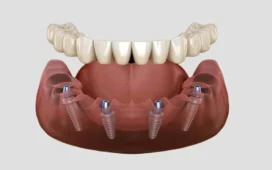
You notice it when you rinse your toothbrush. One side of the bristles bends out, the center looks crushed, or the whole head seems frayed long before you expected it to. It is easy to brush that off as normal wear, especially when mornings are rushed and brushing is one more thing to get through. Still, uneven bristle wear can tell a story your mouth has been trying to tell for a while, and it may even point to larger oral health concerns that lead some people to explore options like dental implant treatment in Orange Lake.
A general dentist can often learn quite a bit from a worn toothbrush. The pattern may point to brushing too hard, missing certain areas, jaw alignment issues, sore spots you are unconsciously avoiding, or habits that put extra force on your teeth and gums. It does not diagnose everything on its own, but it gives useful clues that fit into the bigger picture of your oral health.
Uneven toothbrush bristle wear can reflect your brushing habits and oral health
Toothbrush bristles are meant to flex, not collapse. When they splay outward quickly, pressure is usually part of the problem. The American Dental Association explains that a soft bristle toothbrush is the best choice for most people and that brushes should be replaced about every three to four months, or sooner if the bristles are frayed. You can review that guidance on toothbrushes from the ADA.
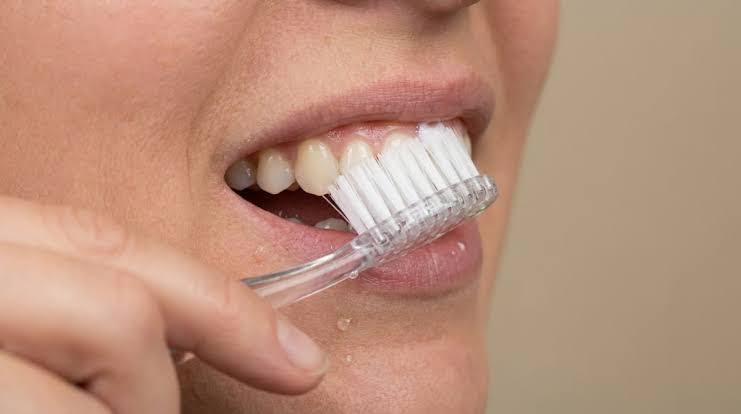
If your brush looks worn after only a few weeks, your technique may be more aggressive than you realize. Many people scrub hardest along the front teeth because that is what they can see. Others press down near sensitive gumlines because they think more force means a better clean. It usually means the opposite. Hard brushing can wear away enamel, irritate gums, and leave you with recession that is expensive and frustrating to treat.
There is another pattern dentists watch for. If one side of the toothbrush wears down more than the other, your hand angle may be uneven, or you may be favoring one side of the mouth. Sometimes that happens because a tooth is tender, a filling feels odd, or your bite is off. You adapt without thinking about it, and the brush records that habit every day.
This is why toothbrush wear patterns matter. They are not just about the brush. They can reflect the way your wrist moves, how much force you use, and whether your mouth has areas you are avoiding or overworking.
Brushing too hard can damage teeth and gums before you realize it
You may feel like you are doing everything right. You brush twice a day, you use a familiar routine, and you assume a worn brush means you are being thorough. That assumption can backfire. Research on toothbrushing habits has linked harder brushing and poor technique with soft tissue trauma and noncarious cervical lesions, which are the worn notches that can form near the gumline. One useful review is available through this published study on toothbrushing and oral tissue effects.
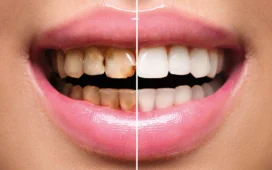
The problem gets more expensive when sensitivity starts. A little zing from cold water turns into avoiding ice cream, then changing what you eat, then needing desensitizing treatments or restorative care. If gums recede, they do not simply grow back on their own. A dentist may spot the early signs from your mouth, but a beat-up toothbrush often confirms the cause.
Good oral hygiene is still the goal, of course. The National Institute of Dental and Craniofacial Research outlines the basics of daily oral hygiene, including brushing twice a day with fluoride toothpaste and cleaning between teeth. Technique matters as much as frequency. A gentle, consistent method cleans better than forceful scrubbing.
What your toothbrush can show a dentist during a routine dental visit
A toothbrush cannot replace an exam, but it can help explain what your dentist sees. If your gums are receding mostly on one side and your brush is flattened in that same direction, the connection is worth discussing. If plaque builds up around molars and the brush tip remains untouched while the middle bristles are crushed, the issue may be access and angle rather than effort.
Public health guidance has long stressed proper brushing instruction because small technique problems become long term damage when repeated every day. A classic resource from the CDC on oral health practice and prevention can be found in this CDC oral health document.
This is one reason many dentists ask about the kind of brush you use, how often you replace it, and whether you use manual or electric brushing. These are not small details. They help explain why your mouth looks the way it does between visits.
Uneven bristle wear offers practical clues about home care
| What You See on the Brush | What It May Suggest | What a Dentist May Check |
|---|---|---|
| Bristles flared outward after a few weeks | Too much brushing pressure | Gum recession, enamel wear, sensitivity |
| One side more worn than the other | Uneven hand angle or favoring one side of the mouth | Bite issues, sore teeth, missed plaque areas |
| Center bristles crushed, outer bristles less worn | Pressing straight into teeth instead of using light strokes | Surface abrasion and ineffective cleaning at the gumline |
| Brush head looks barely used but plaque remains | Brushing too briefly or missing hard to reach areas | Tartar buildup, cavities between teeth, flossing habits |
Uneven toothbrush bristle wear does not always mean damage is already severe, but it often means your routine needs adjustment. That is good news because brushing technique is one of the easiest parts of oral care to improve once you know what is happening.
Small changes in brushing can protect your teeth and gums
Check your brush today. Look at the bristles from the top and side. If they are splayed, flattened, or uneven, replace the brush and take note of the wear pattern. If you use an electric toothbrush, check the brush head the same way.
Use less pressure than you think you need. Hold the brush with a light grip and aim the bristles toward the gumline. Short, gentle strokes clean well without scraping teeth and gums. If you tend to brush hard, an electric brush with a pressure sensor can help break the habit.
Bring the issue up at your next dental appointment. Mention that your brush wears out quickly or unevenly. Better yet, take a photo before you replace it. A dentist can connect that pattern to areas of recession, sensitivity, bite stress, or missed plaque and show you a better technique in real time.
Better brushing habits can start with one small observation
A worn toothbrush can look like a minor thing, but it often reflects habits that shape your oral health every day. If your bristles keep bending out of shape, your mouth may be asking for a gentler approach, a better angle, or a closer look from a dental professional. Paying attention now can help you avoid sensitivity, gum problems, and avoidable dental work later.
If you have noticed fast or uneven brush wear, schedule a visit with a general dentist and bring it up during your exam. That small detail can lead to a simpler, smarter home care routine and a healthier mouth.