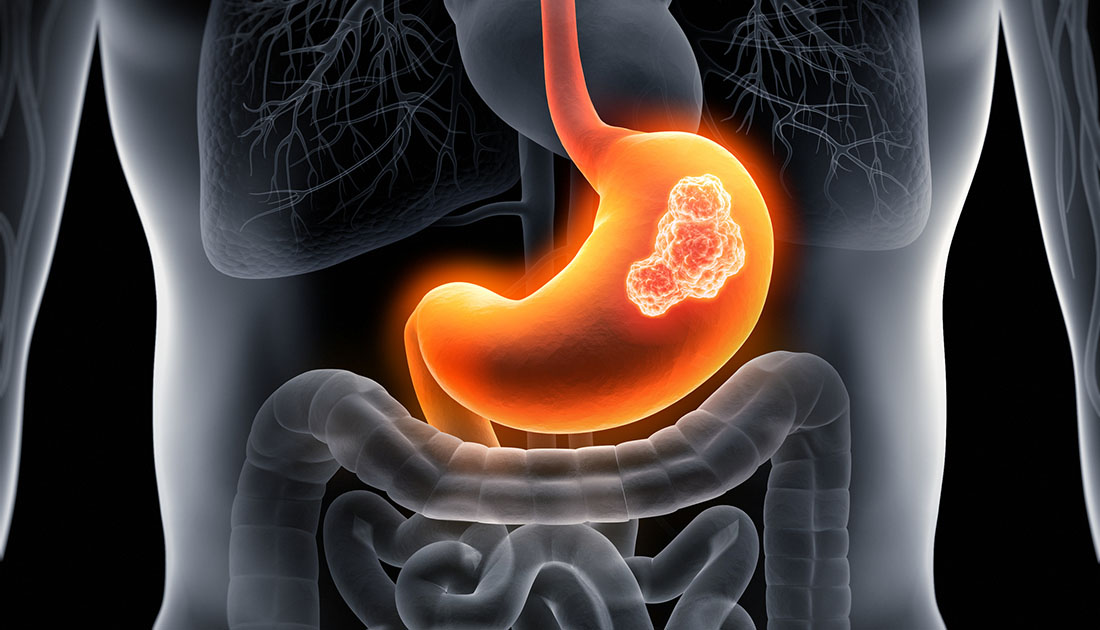
When someone is diagnosed with cancer, the first concern is usually how to treat it. The focus quickly moves to removing the tumor, shrinking it with medicine, or using radiation. What often gets overlooked is how the rest of the body supports or struggles through this treatment. One system that plays a major role is digestion. The gut is not just for breaking down food. It also decides how the body absorbs medication, recovers from therapy, and gains energy to fight back. That is why a strong connection exists between cancer care and digestive health. This is where coordination between an Oncologist and a digestive care expert becomes essential.
In growing medical communities such as gastroenterology in Dubai, this partnership is becoming more common. Hospitals across the city are bringing specialists together to build treatment plans that help not just fight cancer but support the whole body while doing so.
Why Digestive Health Cannot Be Ignored During Cancer Care
The digestive system influences every part of cancer recovery. If the gut is healthy, the body handles treatment better. Nutrients are absorbed more efficiently. Energy stays steady. The immune system gets the support it needs. On the other hand, if digestion is poor, problems start to appear. Medications may not work properly. The patient may grow weak. Treatment may need to pause. This slows down progress and affects results.
In clinics that offer gastroenterology in Dubai, specialists review the patient’s gut health before therapy begins. They assess liver function, stomach strength, and digestion patterns. If there are concerns, they are addressed early to prepare the body.
When Two Specialists Must Work Together
An Oncologist focuses on removing or reducing cancer. Their job is complex. It includes choosing the right medications, planning radiation schedules, and preparing for surgery. However, this work depends on how the patient’s body responds. That is where digestive care comes in.
When cancer affects organs like the stomach, liver, or colon, the digestive expert plays a more hands-on role. Their job is to manage pain, treat infections, and help the patient eat and recover. Without this support, even the best cancer plan may not succeed.
In many cases across Dubai, this cooperation starts early. The moment cancer touches a digestive organ or treatment threatens the gut, both teams work side by side.
Digestive Clues That May Reveal Cancer
- Sudden weight loss without a change in activity or eating habits
- Regular acid reflux that does not improve with medication
- Blood in stool or very dark stool that may signal internal bleeding
- Ongoing changes in bowel movements that last more than a few days
- Feeling full after eating only a small amount
- Constant bloating or gas without a clear reason
In clinics that focus on gastroenterology in Dubai, patients often arrive with one or more of these complaints. Tests such as endoscopy or colonoscopy are used to check inside the body. If anything unusual is found, a referral is made to an Oncologist. Early diagnosis often begins with a conversation about digestion.
Common Digestive Cancers That Require Special Support
- Cancer of the colon may begin as a small polyp and grow quietly
- Stomach cancer can reduce appetite and cause frequent nausea
- Pancreatic cancer shows vague symptoms but spreads quickly
- Liver cancer may begin after years of inflammation or infection
- Cancer in the esophagus can make swallowing painful and eating difficult
These types of cancers often come with silent symptoms. By the time patients notice them, the disease may already be in a late stage. This is why early digestive screenings are a key part of care across Dubai.
How Cancer Treatments Affect the Digestive Tract
- Chemotherapy can cause nausea, vomiting, and dry mouth
- Some medications reduce appetite and change how food tastes
- Radiation may lead to diarrhea, stomach cramps, or bowel changes
- Surgery might remove parts of the digestive system, affecting food tolerance
- The liver, which filters drugs, can become inflamed or weak
These side effects can interrupt treatment. If the body becomes too weak, the Oncologist may need to reduce the dose or pause the plan. Digestive care specialists manage these reactions. They use medicine, food plans, and supportive therapy to keep the gut functioning.
In hospitals that specialize in gastroenterology in Dubai, this care continues throughout the treatment phase. The patient eats better, feels stronger, and completes more treatment without delay.
How Nutrition Supports Healing
Food is fuel, but during cancer treatment, eating becomes a challenge. Some patients feel full quickly. Others cannot keep food down. In severe cases, the body stops absorbing nutrients.
A digestive care expert helps by creating simple, effective meal plans. These plans include easy-to-digest foods, gentle flavors, and nutrient-rich options. When needed, liquid nutrition or supplements are introduced.
The goal is not just to eat. It is to make every bite count. Strong nutrition helps the body rebuild cells, fight infections, and stay active during therapy.
Liver Health and Cancer Medication
The liver processes most cancer drugs. If it is already stressed by illness or treatment, problems can arise. Medication may build up in the blood and cause damage.
Specialists in gastroenterology in Dubai monitor liver enzymes during therapy. They run regular tests. If a problem appears, they adjust the plan and protect the liver with specific care. This helps the Oncologist continue therapy without added risk.
How Digestive Discomfort Affects Mental Health
Physical symptoms create mental stress. Patients may worry when they feel stomach pain or lose weight. They may fear the cancer has returned. Anxiety grows when eating becomes difficult or when side effects do not go away.
This is where good care makes a difference. When doctors explain what is normal, offer comfort, and adjust the plan as needed, patients feel calmer. In Dubai, many clinics take a full-body approach that includes mental and digestive support. This helps people recover with less fear.
Final Thoughts
Cancer care is stronger when the whole body is included. Digestive health is not separate from treatment. It is at the center of how a person heals. A skilled Oncologist focuses on the cancer. A team experienced in gastroenterology in Dubai focuses on the system that supports treatment.
Together, they improve outcomes. They help patients feel better, eat better, and stay strong. Cancer is complex, but care does not have to be. With full-body support, the journey becomes clearer and recovery becomes more possible.