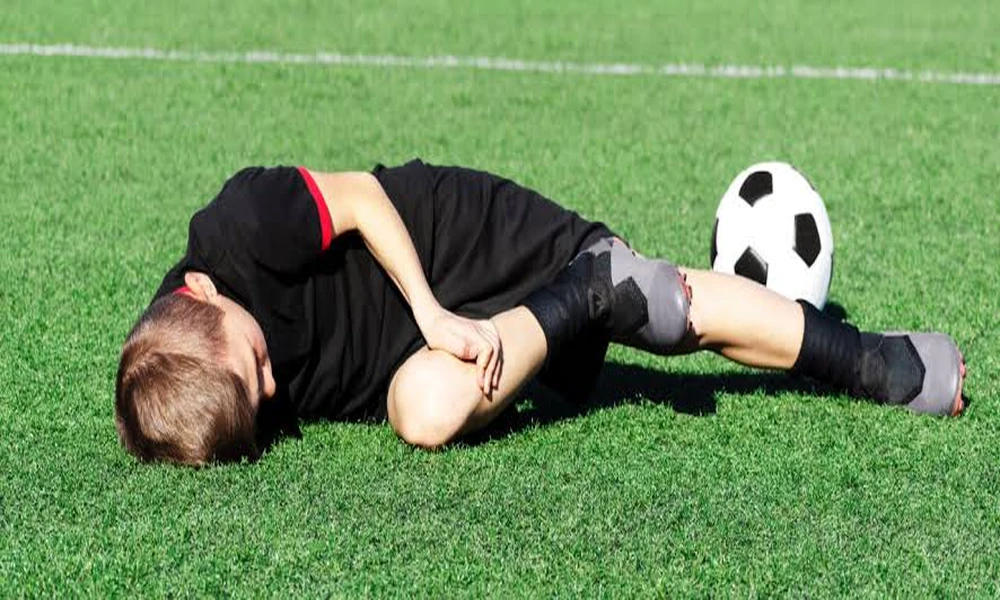
In more than two decades of treating joint and bone injuries, one pattern shows up again and again. A young athlete twists an ankle or tweaks a knee during a match, decides to push through it, and shows up at the clinic weeks or months later with a problem that would have taken half the time to fix if seen early.
This is why the best orthopedic doctor in Sri Ganganagar will tell you the same thing every time: how quickly you act after an injury often matters more than the injury itself.
Why the “Wait and See” Approach Backfires
Most sports injuries do not announce their seriousness right away. A sprained ankle can feel manageable enough to walk on. A sore shoulder can seem like it will settle down with rest. That mild discomfort is often what convinces people to skip a proper check-up.
Research backs up how costly that gap can be. Studies on ankle sprains have found that up to 70 percent of people who leave the injury untreated go on to develop some degree of chronic instability, meaning the joint keeps giving way long after the original sprain healed. What starts as a minor sprain can turn into a joint that gives way repeatedly for years.
The body also tends to compensate in ways that create new problems. When one leg or shoulder is favoured over the other, nearby muscles and joints pick up the extra load. Over time, that overcompensation shows up as a second injury layered on top of the first, and untangling the two takes considerably longer than treating the original one would have.
What Changes When Treatment Starts Early
Early evaluation does a few things well. It controls inflammation before it settles into the tissue, limits scar formation that can restrict movement later, and gives a physiotherapist a clean injury to work with rather than one complicated by weeks of altered movement.
Athletic research has found that individuals who receive prompt treatment return to their sport meaningfully faster than those who delay care, often by weeks rather than days. For a school or college athlete with a short competitive season, that difference can decide whether they play the year out or watch it from the sidelines.
Children Need Even Quicker Attention
Growing bones add another layer to this. Young athletes still have open growth plates, the soft cartilage zones near the ends of long bones where growth happens. These areas are more fragile than the surrounding bone, which is part of why children are more likely to fracture near a joint than simply sprain it the way an adult would.
Left unaddressed, a growth plate injury can affect how a bone continues to develop, sometimes leading to a limb that grows unevenly or a joint that no longer lines up correctly. Persistent pain, swelling after a fall, or a limp that lingers in an active child should never be dismissed as ordinary growing pains. A short visit to confirm nothing serious is happening is a small price for the peace of mind it buys.
What a Proper Evaluation Involves
A thorough workup usually starts with a physical examination and a detailed history of how the injury happened. Imaging such as X-rays or an MRI often follows, particularly when swelling, deep pain, or restricted movement suggests something beyond a simple strain.
From there, treatment can range from rest, bracing, and physiotherapy for milder injuries, to surgical repair for torn ligaments or displaced fractures. The goal at every stage is the same: reduce pain, restore full movement, and rebuild strength in a way that lowers the chance of the same injury happening again. Anyone searching for a reliable ortho care hospital in Sri Ganganagar and nearby areas should look for a facility that treats this as a complete process rather than a single visit.
Preventing the Next Injury, Not Just Treating This One
A good recovery plan looks past the current injury toward what caused it. Repeated hamstring strains, for instance, often imply an underlying flexibility or strength imbalance that will keep coming back if you don’t ask for help from an ortho.
This is where physiotherapy earns its place well beyond the initial healing period. Correcting movement patterns, building strength around a previously injured joint, and adjusting training habits all reduce the odds of a repeat injury, which matters just as much for a weekend athlete as it does for someone playing competitively.
A Gentle Reminder for Parents and Players
No parent wants to overreact to a scraped knee, and no athlete wants to sit out over nothing. That instinct is completely understandable. But pain that lingers past a few days, swelling that does not settle, or a joint that keeps giving way are signs worth taking seriously rather than waiting out.
For families in the region and nearby, having access to a facility recognised as one of the best hospitals in Rajasthan for orthopedic and sports medicine care means specialist attention is not far away when it is needed. Getting checked early rarely costs much time. Waiting too long very often does.