Key Takeaways
- Chemical peels use various acids, such as glycolic, salicylic, and trichloroacetic acid, to tackle different skin issues, enhancing texture and clarity.
- Three primary types of chemical peels exist: superficial, medium, and deep, each catering to distinct skin problems and recovery durations.
- Immediate benefits can be striking. Chemical peels frequently lead to brighter skin, smoother texture, and diminished fine lines and blemishes.
- For those undergoing superficial peels, visible results can surface in just a couple of days. Medium peels may require several days, while deep peels evolve gradually over weeks.
- When performed regularly, chemical peel treatments yield cumulative advantages, enhancing skin clarity and texture, especially if scheduled every few weeks.
- Selecting a qualified practitioner is vital; clients ought to assess dermatologists based on their education, experience, and client feedback to ensure treatments are both safe and effective.
- Conducting a comprehensive consultation is critical in customizing chemical peels to fit individual skin issues, enabling clients to share their objectives for the best possible results.
Opening up Radiance: The Science Behind Chemical Peels
How Chemical Peels Work: A Closer Look at the Ingredients
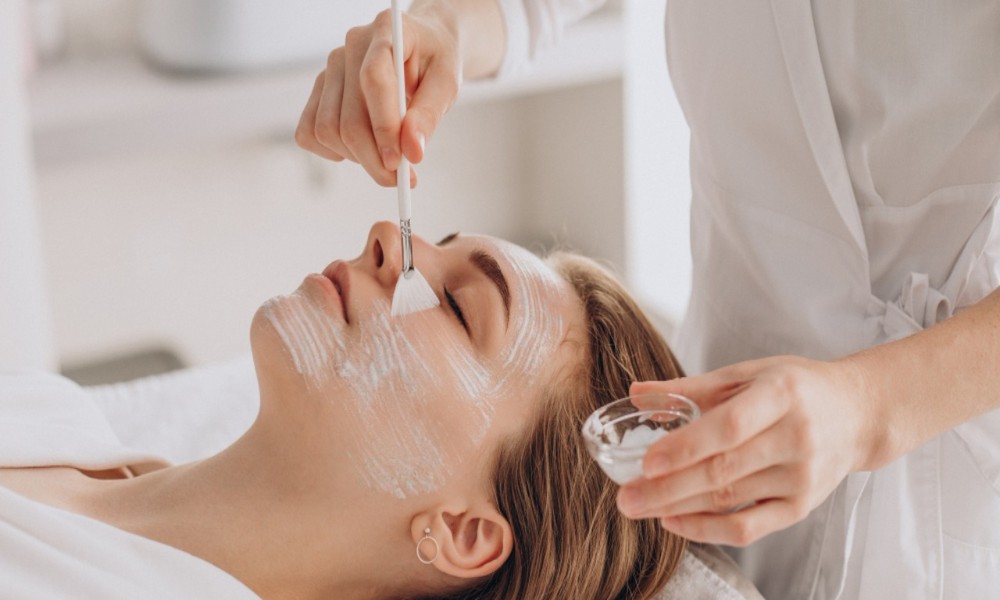
Often, the secret to a glowing complexion hinges on the treatment’s ingredients. Chemical peels employ a range of acids that work at different skin depths. Among the most common are glycolic acid, salicylic acid, and trichloroacetic acid (TCA). Each possesses unique qualities that effectively target specific skin concerns. Glycolic acid, extracted from sugarcane, goes deep into the upper skin layers. It exfoliates gently, allowing dead skin cells to shed. This potent ingredient assists in reducing pigmentation while fostering an even skin tone.
In contrast, salicylic acid is oil-soluble, letting it penetrate deep within pores, thus making it an excellent option for acne-prone skin. TCA, being a stronger choice, addresses deeper layers, making it suitable for tackling severe pigmentation and fine lines.
As these acids work, they break down the bonds holding dead skin cells together. This process speeds up the skin’s natural renewal cycle, unveiling brighter, healthier skin beneath.
The Types of Chemical Peels: Which One is Right for You?
Identifying the different types of chemical peels can effectively guide clients in their choices. Typically, they fall into three categories: superficial, medium, and deep. Superficial peels are gentle and can be conveniently performed during a lunch break. Offering minimal downtime, they usually target minor concerns such as dullness and uneven texture. Medium peels penetrate further, addressing moderate sun damage and wrinkles but often requiring a few days for recovery.
Then come the deep peels, designed for serious skin concerns like deep wrinkles and scars. These procedures may entail longer recovery times and are generally reserved for considerable skin conditions.
Deciding which peel is appropriate can depend on various factors, including skin type, specific concerns, and personal goals. Engaging with a professional is crucial to ensure a proper match for the best outcomes.
Immediate Benefits of Chemical Peels: What to Expect
A Transformed Complexion: Boosting Skin Texture and Clarity
Clients may find the transformation following a chemical peel to be astounding. The immediate brightness infuses vitality into their complexion. The skin often feels remarkably smoother, almost as if polished by nature itself. As dead skin cells get washed away, a sense of freshness typically emerges, bolstering confidence.
Moreover, this treatment can drastically lessen the look of fine lines and blemishes almost right away. A quick boost in clarity greatly enhances the skin’s overall appearance, making it feel like a brand-new canvas where makeup applies seamlessly.
Timeframe for Results: When Will You See Improvement?
While the timeline for visible results can differ, certain expectations can be established. After superficial peels, clients may notice results just a day or two later. Medium peels, in contrast, typically require several days for the glow to emerge. With deep peels, the effects may unfold gradually over weeks as the skin heals.
“Good things take time; beautiful skin even more so.”
Clients eager for swift results should consider planning in advance, especially if the peels are intended for upcoming special events.
Long-Term Effects of Regular Chemical Peel Treatments
Building a Skincare Routine: Integrating Peels for Maximum Impact
When it comes to skincare, consistency reigns supreme. Regularly including chemical peels in a skincare routine can yield cumulative benefits. Multiple sessions throughout the year lead to deeper exfoliation, translating into lasting clarity and an even texture. However, that regularity shouldn’t lead to overuse. Typically, clients find that spacing treatments appropriately-usually every few weeks-results in sustained improvement.
In fact, merging chemical peel services with daily skincare products can amplify overall effectiveness. Essential components include gentle cleansers, hydrating serums, and sun protection to fortify the results achieved through peels.
Skincare Goals: Achieving Lasting Youthfulness and Glow
For those wishing to maintain a youthful glow, the long-term effects of chemical peels can be highly beneficial. It’s been noted that regular treatments promote collagen production. This essential protein is what keeps skin firm and youthful-looking. As collagen levels rise, the signs of aging tend to fade, resulting in a brighter and smoother complexion that lasts.
- Smoother skin texture
- Reduced hyperpigmentation
- Firm skin with fewer fine lines
Through these collective benefits, clients not only experience a short-term appearance boost but also forge a long-term commitment to skincare excellence.
Choosing the Right Professional for Chemical Peel Services
Evaluating Credentials: What Makes a Top Dermatologist
Selecting a qualified professional for chemical peel services is an essential step in ensuring the safety and effectiveness of treatments. Not every dermatologist has the same expertise level, so clients should consider several factors when assessing potential providers:
- Education: It’s important to verify their medical school and residency training.
- Experience: Look at years in practice with a focus on peels.
- Licensing: Ensure they are board-certified dermatologists.
- Reviews: Read testimonials from past clients to gauge experiences.
Clients should also feel a sense of connection and trust with their dermatologist. Open communication is key-questions need to be welcomed.
The Importance of Consultation: Tailoring Treatments to Your Skin
A careful consultation holds immense importance. Gaining insight into personal skin concerns, history, and goals allows for a tailored approach to chemical peels. Professionals typically assess the skin for sensitivities or previous conditions that could impact the treatment.
During this discussion, clients ought to articulate their goals clearly. Whether looking to rejuvenate dull skin or tackle stubborn scars, clear communication fosters customized plans that cater to individual needs.
Ultimately, undergoing a consultation is not just a formality; it lays the foundation for successful outcomes.
Chemical peels stand as a dynamic tool in the toolkit for skin rejuvenation. Their potential goes beyond merely transforming appearance; they significantly enhance overall skincare health. Clients embarking on this journey can discover newfound confidence and beauty, especially by collaborating with the right professionals who are attuned to their unique needs.
FAQ
What types of skin concerns can chemical peels effectively treat?
Chemical peels offer versatile treatment options and can address various skin issues, including acne, hyperpigmentation, sun damage, and fine lines. Additionally, they improve overall skin texture and tone, making them suitable for a wide range of skin types.
How do chemical peels differ from microdermabrasion?
While both treatments aim to exfoliate the skin, chemical peels utilize acids to penetrate deeper layers, resulting in more significant changes in skin texture and appearance. Microdermabrasion, on the other hand, mechanically buffs the surface layer, making it less invasive but often less effective for deeper skin concerns.
Can chemical peels be combined with other aesthetic treatments?
Certainly. Many professionals suggest pairing chemical peels with treatments like laser therapy or facial fillers for enhanced outcomes. This multi-pronged approach can simultaneously tackle various skin issues, delivering a more comprehensive rejuvenation effect.
What aftercare is required following a chemical peel?
Post-peel care is crucial to achieve optimal results. Clients are commonly advised to avoid sun exposure, use gentle cleansers, and apply hydrating moisturizers. Sunscreen is essential to shield the newly sensitive skin from harmful UV rays.
Are chemical peels safe for all skin types?
Though chemical peels can benefit many individuals, those with specific conditions, such as eczema or rosacea, should consult a dermatologist before proceeding. Professional evaluations help establish the safest and most effective options tailored to each individual’s skin type.
How long do the results of a chemical peel typically last?
The duration of results can vary depending on the type of peel and individual skin responses. Superficial peels may necessitate maintenance treatments every few weeks, whereas deeper peels can yield lasting effects for months, or even longer, provided proper skincare is followed.
What should clients do if they experience irritation after a peel?
If irritation or unusual reactions occur, it’s crucial for clients to contact their dermatologist right away. Professionals can offer guidance on soothing treatments or adjustments to care routines that may alleviate discomfort.
How often should chemical peels be administered for best results?
In general, professionals advocate for spacing chemical peel treatments every 4 to 6 weeks. This interval allows the skin ample recovery time, maximizing the cumulative benefits from each session.