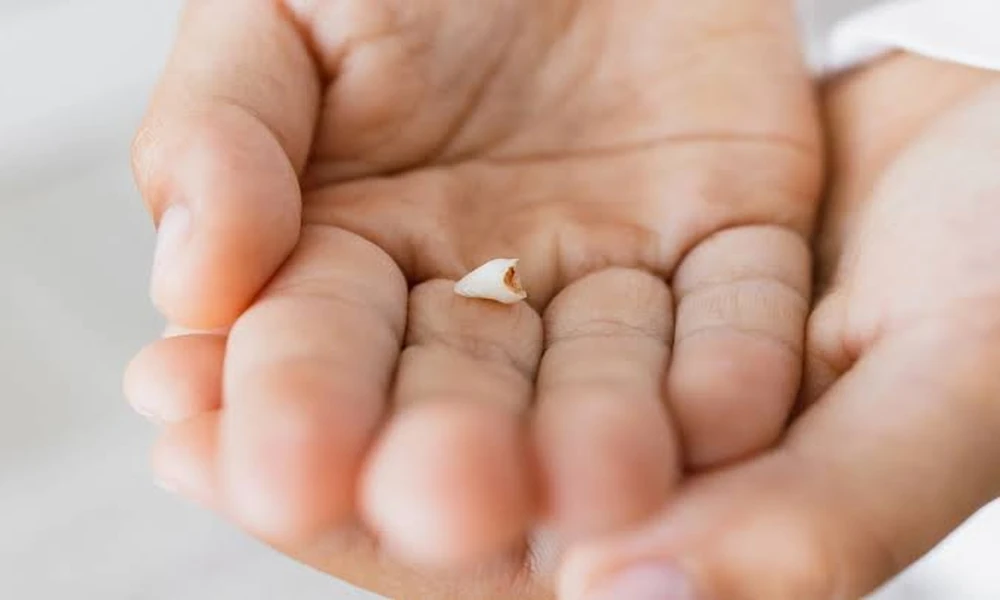
You might be feeling tempted to brush it off. Maybe you noticed a rough edge on a tooth while eating, or maybe there is a faint line that does not hurt much yet, so it seems easier to wait and see. That reaction is common. When a tooth still looks mostly normal and the pain is mild or absent, it is easy to assume the problem is small. Still, tiny cracks and chips often have a way of growing quietly, and what starts as a minor issue can turn into a much bigger restorative concern if it is ignored, which is why seeing a dentist in San Jose, CA can be a smart next step.
That is the heart of it. Small dental fractures deserve attention because early care can protect the tooth, reduce discomfort, and often keep treatment simpler and less costly. If you have been wondering whether a small chip or crack is really worth a dental visit, the short answer is yes. Even a minor break can open the door to sensitivity, decay, or deeper structural damage over time.
What can happen when a small cracked tooth seems harmless?
At first, a tiny fracture may feel more annoying than serious. You may notice a sharp edge against your tongue, a quick zing when you drink something cold, or mild soreness when you bite down. Because the symptoms come and go, it is easy to put it off. But teeth do not heal the way skin does. Once enamel is chipped or cracked, that weak spot remains vulnerable.
So, where does that leave you? It means the pressure of chewing, teeth grinding at night, or even one hard bite into crusty bread can make that small fracture spread. A crack that once affected only the outer enamel can move deeper into the tooth and irritate the inner pulp, where the nerves and blood supply live. According to MedlinePlus information on fractured teeth, symptoms can include pain with chewing, temperature sensitivity, and discomfort that may come and go, which is part of why people sometimes delay care.
That delay can create a frustrating cycle. The longer a fracture sits untreated, the more likely it is to collect bacteria, trap food, and weaken the surrounding tooth structure. What might have been managed with smoothing, bonding, or a small restoration can become a need for a crown, root canal treatment, or in some cases extraction. That is why small tooth cracks deserve more respect than they often get.
Why do minor chips and cracks turn into larger restorative problems?
A tooth is strong, but it is not indestructible. Once a surface is broken, the tooth no longer distributes bite pressure the same way. Think about a windshield chip that spreads across the glass after one temperature change or one bump in the road. A tooth can behave in a similar way. Repeated force, clenching, grinding, and normal chewing can all widen a weak point.
There is also the matter of exposure. Even a small opening can allow irritants and bacteria to move into areas that were once sealed. If you already have a habit of grinding your teeth, a large filling in that tooth, or enamel that has been worn down over time, the risk becomes even higher. MedlinePlus also offers a broader overview of tooth disorders and common dental problems, which helps explain how issues that seem minor can connect to bigger oral health concerns.
And then there is the financial side, which matters to most people. A simple repair done early is often easier on your time and budget than advanced restorative dentistry later. Waiting can feel like saving money in the moment, but if the fracture grows, treatment usually becomes more involved. That is one reason early treatment for chipped teeth is often the more practical path, not just the more cautious one.
How does early care compare with waiting and hoping it settles down?
When you are weighing whether to call the dentist, it helps to see the difference clearly. Not every small fracture becomes a major problem right away, but waiting always carries more uncertainty than getting it checked.
| Situation | Early Dental Evaluation | Waiting Too Long |
| Small chip with no pain | May only need smoothing or bonding if the damage is limited | Edge can worsen, collect plaque, or break further while eating |
| Hairline crack with sensitivity | Can be monitored and protected before the crack deepens | May progress into the dentin or pulp, leading to stronger pain |
| Tooth under heavy bite pressure or grinding | Dentist can suggest protection such as a night guard or restoration | Repeated stress can enlarge the fracture and weaken the tooth |
| Cost and treatment complexity | Often simpler restorative dentistry options | Possible crown, root canal, or extraction with replacement needs |
This is not about panic. It is about timing. A small fracture does not always mean a major procedure is coming, but it does mean the tooth deserves a closer look before the next bite, the next night of grinding, or the next sudden flare of pain changes the situation.
What can you do right now if you think you have a minor dental fracture?
1. Pay attention to the small signs.
If a tooth feels rough, catches floss, hurts when you bite, or reacts to hot and cold, take that seriously. Even if the discomfort fades, those clues matter. Try to notice when it happens and whether one side of your mouth feels different from the other.
2. Protect the tooth until you are seen.
Avoid chewing ice, hard candy, popcorn kernels, and other hard foods on that side. If the edge is sharp, dental wax from a pharmacy may help prevent irritation to your tongue or cheek for a short time. Keep the area clean, but do not test the tooth over and over by biting on it.
3. Schedule a dental exam before the problem grows.
This is the step that gives you clarity. A dentist can tell whether the fracture is superficial or whether it threatens the deeper structure of the tooth. From there, treatment can be matched to what is actually going on, whether that means monitoring, bonding, a filling, or another form of general, cosmetic, and restorative dentistry.
When is it time to stop watching and start acting?
If you see a chip, feel a crack, or notice pain when chewing, the time is now. You do not need severe pain to justify an exam. In fact, waiting for strong pain often means the damage has already advanced. Taking care of a minor dental fracture early gives you a better chance of preserving more of your natural tooth and avoiding larger restorative problems later.
A small fracture can seem easy to ignore, especially when life is busy and the tooth still works well enough. But your instincts matter. If something feels off, it probably is. Getting it evaluated now can spare you more discomfort, more time in the chair, and more expensive treatment down the road. If you suspect a chip or crack, reach out to schedule a dental visit and get clear answers before a small problem becomes a much bigger one.