
Self-care has a branding problem. Somewhere along the way it turned into a “whole lifestyle” that requires candles, perfectly scheduled mornings, and enough free time to journal for 45 minutes. If you’re busy, that version of self-care can feel like another task you’re failing at.
The good news: the most effective self-care routines are often the simplest. They’re small, repeatable, and designed to fit into the life you already have—without forcing a complete reset. Here are seven low-stress routines that actually work, even when your calendar is packed.
1) The 2-minute “reset breath” between tasks
When you’re rushing from one thing to the next, your body can get stuck in a constant state of “go.” A quick breathing reset helps shift your nervous system out of that high-alert mode.
Try this: inhale through your nose for 4 seconds, exhale slowly for 6–8 seconds. Do 6–8 rounds. It’s short, but it tells your body you’re safe, not sprinting from danger. Use it after a meeting, before picking up your kids, or right when you sit down at your desk.
2) A “posture check” trigger you already do daily
Busy people don’t need more reminders—they need better triggers. Tie a posture check to something you already do 10+ times a day, like opening your phone, refilling water, or sitting in the car.
Each time the trigger happens, do a 10-second scan:
- Drop your shoulders away from your ears
- Gently tuck your chin (think “long neck,” not “double chin”)
- Take one slow breath into your ribs
This tiny habit reduces neck and shoulder tension that can build all day without you noticing.
3) The 10-minute walk that counts as “enough”
You don’t need an hour-long workout for your body to benefit. A short walk can improve circulation, loosen stiff joints, and help your brain shift gears—especially if you’ve been sitting.
Make it easy: a lap around the block, the parking lot, or even your house. If you can do 10 minutes once or twice a day, you’re already giving your body a meaningful reset. Bonus points if you leave your phone in your pocket and let your eyes focus on something farther away than a screen.
4) “Stacked hydration” with a simple rule
Hydration is one of the least glamorous forms of self-care, and that’s exactly why it works. But remembering to drink water is hard when you’re busy—so stack it onto routines you already have.
Pick one simple rule, like:
- Drink a glass of water before coffee
- Drink water every time you enter your kitchen
- Finish a bottle by lunch, another by dinner
This isn’t about being perfect. It’s about reducing the low-grade fatigue and headaches that show up when you’re consistently under-hydrated.
5) A 5-minute evening “unclench” routine
Most people carry tension without realizing it—jaw, shoulders, hands, and stomach are common hiding places. A short “unclench” routine before bed helps your body stop bracing and improves sleep quality.
Try this five-minute sequence:
- Unpress your tongue from the roof of your mouth
- Relax your jaw (lips closed, teeth not touching)
- Roll your shoulders slowly 5 times
- Stretch your neck gently side to side
- Exhale long and slow for 5 breaths
If you do nothing else, do the jaw piece—clenching is a stress habit that quietly wrecks rest.
6) The “micro-boundary” you can actually keep
Self-care isn’t only what you add. Sometimes it’s what you stop doing—especially the tiny habits that drain you. Micro-boundaries are small limits that protect your energy without requiring a personality transplant.
Examples that work:
- No email for the first 10 minutes of your day
- One “hard stop” time at night (even if it’s just 30 minutes before bed)
- One meeting-free lunch per week
- One day per week where you don’t schedule anything after a certain hour
Start with one. A boundary you keep is more powerful than a perfect plan you abandon.
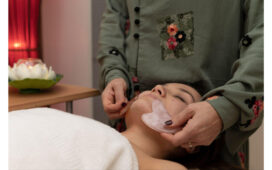
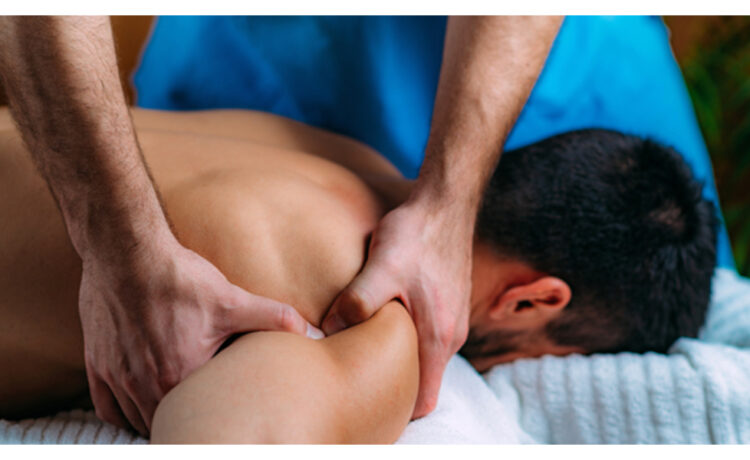
7) Massage as scheduled maintenance, not a rare treat
If your stress shows up physically—tight shoulders, neck stiffness, headaches, low back tension—hands-on care can be one of the most efficient forms of self-care because it doesn’t require you to “do” much. You show up, breathe, and let your body unwind.
The key is to treat it like maintenance, not a once-a-year reward. Even a consistent monthly session can help reduce built-up tension and give your nervous system a predictable reset. If you’re short on time, consider shorter sessions focused on the areas that hold the most stress (neck, shoulders, upper back). Booking ahead also removes decision fatigue—future you will be grateful.
If you’ve been thinking about making massage part of your routine, look for massage therapy services that fit your schedule and goals—whether that’s stress relief, muscle recovery, or simply feeling more comfortable in your body.
Make it easy: choose two, not seven
You don’t need to overhaul your life. Pick any two routines that feel doable this week. Maybe it’s the 2-minute reset breath and a 10-minute walk. Or hydration stacking plus the evening unclench. Small routines done consistently create real change—because they work with your life, not against it.
Self-care doesn’t have to be dramatic to be effective. It just has to be repeatable.