You notice it in small moments first. A photo you do not want to be in. A chipped tooth that catches your tongue all day. A dark filling that shows when you laugh. Sometimes the concern starts as looks, but it rarely stays there. Teeth that seem worn, cracked, uneven, or stained can also affect how you chew, speak, and clean your mouth. That is why many people looking for a family and cosmetic dentist, including those searching for a Livermore dentist, are not chasing perfection. You want your teeth to work well and look like they belong to you.
The good news is that modern cosmetic care often does both. Several treatments improve the appearance of your smile while also restoring strength, comfort, and daily function. If you have been putting this off because it feels cosmetic and optional, that hesitation makes sense. The line between health and appearance is thinner than most people think.
Cosmetic dental treatments often solve more than one problem
A tooth that is cracked or badly worn does not just change your smile. It can make biting feel uneven, lead to sensitivity, and put more stress on nearby teeth. A visible cavity repair can leave you self conscious even after the decay is gone. Gaps and minor alignment issues may look small, yet they can trap food and make brushing harder. These are the cases where cosmetic dental services start to make practical sense.
One common option is tooth colored fillings. They repair decay and blend with the natural shade of your tooth, which matters if the cavity is in a visible area. The National Institute of Dental and Craniofacial Research explains the basics of dental fillings, including how different materials are used based on the tooth and your needs. For many people, replacing an old metal filling with a tooth colored material is not only about looks. It can also support the remaining tooth structure and improve comfort.
Dental bonding is another service that pulls double duty. Bonding uses a tooth colored resin to repair chips, close small gaps, reshape edges, and sometimes cover stains that do not respond well to whitening. If you have one front tooth with a rough edge from an old accident, bonding can make it look whole again without major drilling. That matters when you want a fix that is conservative, fast, and natural looking.
Porcelain crowns and veneers are often grouped together, but they solve different levels of damage. A veneer covers the front surface of a tooth and is usually used when the tooth is healthy enough to keep most of its structure. A crown covers the whole tooth and is often used when a tooth is weak after decay, cracking, or a large old filling. MedlinePlus outlines when a dental crown may be needed, especially when a tooth needs protection as much as improvement in appearance. If you grind your teeth or have a fractured molar, a crown may be the service that restores both your bite and your confidence.
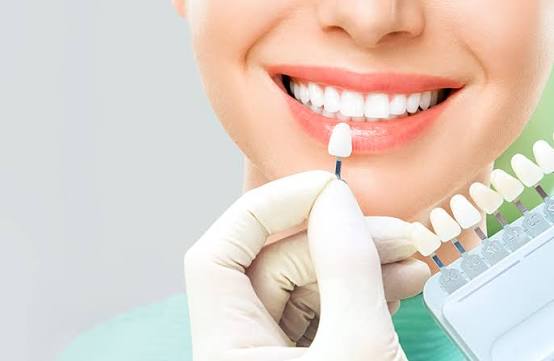
Professional whitening belongs on this list too, even though people tend to see it as purely cosmetic. Stains from coffee, tea, tobacco, or aging can make healthy teeth look neglected. Whitening does not repair damage, but it can be the least invasive way to refresh your smile when the teeth are otherwise sound. It also helps some people feel motivated to keep up with cleanings and daily care, which is not a small thing when dental avoidance has been building for years.
Material choice affects both appearance and durability
You do not have to become an expert in dental materials, but it helps to know that the material used for a filling, crown, or veneer affects how it looks and how it holds up. The NIDCR guide to dental materials explains that no single material is right for every tooth. Front teeth need a natural appearance. Back teeth often need stronger wear resistance. Your bite, habits, and budget all shape the decision.
That is why a good cosmetic plan is not built around a trend. It is built around what your teeth are dealing with right now. If you clench at night, thin veneers may not be the best first step until that pressure is addressed. If a tooth has repeated fillings and very little structure left, bonding may look nice for a while but fail sooner than a crown. This is where a smile restoration treatment plan becomes personal rather than generic.
Comparing cosmetic dentistry options by function and appearance
| Service | Best For | Functional Benefit | Aesthetic Benefit |
|---|---|---|---|
| Tooth colored fillings | Small to moderate cavities, replacing visible old fillings | Restores tooth structure after decay | Blends with natural tooth color |
| Dental bonding | Chips, small gaps, uneven edges, minor discoloration | Protects exposed areas and smooths rough surfaces | Improves shape with minimal removal of tooth structure |
| Porcelain veneers | Front teeth with stains, shape issues, minor spacing concerns | Can reinforce surface wear in selected cases | Creates a uniform, natural looking front smile |
| Dental crowns | Weak, cracked, heavily filled, or worn teeth | Protects and strengthens the entire tooth | Restores color, contour, and symmetry |
This is why many people searching for esthetic dental care end up getting more than a cosmetic upgrade. The right service can reduce sensitivity, improve bite comfort, and lower the chance of bigger repairs later.
Clear next steps make cosmetic dentistry feel less overwhelming
Start with the problem that bothers you most. Pick one issue, not your whole smile. A chipped front tooth, an old dark filling, or one worn tooth is enough to begin. Small fixes often change more than you expect, and they help you understand what level of treatment feels right.
Ask what the treatment is protecting, not just how it will look. If a dentist recommends bonding, a crown, or a veneer, ask what job it is doing for the tooth. Is it sealing decay, supporting a crack, or reducing wear? That answer tells you whether the service is mainly cosmetic or part of a broader cosmetic dentistry plan for long term function.
Compare lifespan, maintenance, and cost before you decide. The least expensive option today may need more repairs later. The most polished option may be more treatment than you need. Ask how the restoration will hold up with your bite, your hygiene habits, and whether you grind your teeth. That is the kind of detail that keeps a treatment from becoming a regret.
If you have been feeling torn between wanting your smile to look better and worrying that it sounds vain, you are not alone. Teeth sit at the intersection of health, comfort, and self image. Taking care of them is not about vanity. It is about being able to eat, speak, smile, and stop thinking about that one tooth every time you catch your reflection. A family and cosmetic dentist can help you choose care that respects both function and appearance, so the result feels natural in your mouth and in your life.