You brush, you floss, you avoid the obvious stain makers when you can, and still one tooth looks darker than the one next to it. Or your front teeth never seem to match, no matter what whitening strip or toothpaste you try. That can feel frustrating in a very specific way, because it is not just about wanting whiter teeth. It is about wanting your smile to look even, which is why many people turn to skilled dentists in Atlanta.
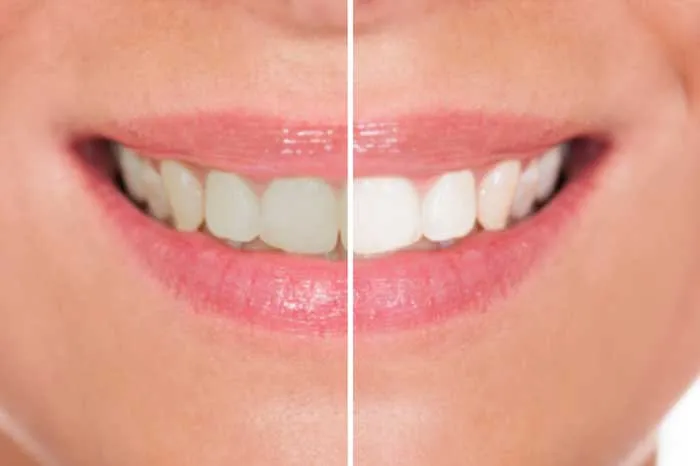
Professional teeth whitening when some teeth are naturally darker than others is rarely a one size fits all process. Some teeth respond well to whitening. Others stay deeper in color because of enamel thickness, old dental work, past injury, root canal treatment, natural variation, or internal staining. You are not imagining the difference, and you are not failing at home care. The right plan usually starts with finding out why the shade mismatch exists, then choosing whitening, bonding, veneers, or restorative treatment based on that cause.
Uneven Tooth Color Has Real Causes
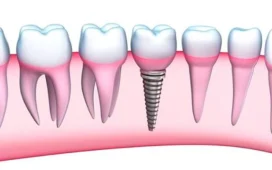
Teeth are not naturally identical. One tooth can have thinner enamel, which lets more of the yellow dentin underneath show through. Another may have had trauma years ago and slowly darkened from the inside. A tooth with a filling, crown, or veneer will not whiten like natural enamel, which often explains why one area starts to stand out after bleaching.
That matters because whitening products only work on certain kinds of discoloration. According to the American Dental Association’s information on whitening, whitening can lighten many external stains, but existing restorations do not change color. If you already have visible dental work, a brighter smile can actually make the mismatch more obvious.
You might also be dealing with one dark tooth rather than an overall dull shade. That is a different issue. A single tooth that turns gray, brown, or much darker than the rest can signal prior injury, nerve damage, or internal discoloration. MedlinePlus explains tooth discoloration as having both external and internal causes, and internal causes often need treatment beyond surface whitening.
DIY Whitening Often Misses the Real Problem
It is easy to see why at home products are tempting. They are cheaper, easy to buy, and promise fast results. The problem is that they assume all teeth are stained in the same way. If your color difference comes from a crown, a dead tooth, enamel loss, or deep intrinsic staining, over the counter products may whiten the surrounding teeth and leave the darker one behind.
That is when people get stuck in a loop. You whiten again, your teeth feel sore, and the uneven shade bothers you even more because now the contrast is sharper. Some DIY methods are also rough on enamel and gums. The University of Rochester warns that DIY teeth whitening trends can be too good to be true, especially when they rely on unproven or abrasive methods.
This is where uneven teeth whitening treatment becomes less about chasing a brighter shade and more about planning. If the darker tooth is healthy but naturally deeper in color, a dentist may whiten the whole smile first and then refine the result with bonding or another cosmetic option. If the darker tooth has an internal issue, cosmetic work alone may not be the first step.
Professional Whitening Creates a Better Match
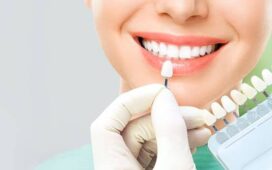
In office whitening gives more control over shade, timing, and safety. That control matters when your goal is balance, not just brightness. A dentist can check for old fillings, crowns, recession, cracks, thin enamel, and signs of trauma before whitening starts. That helps avoid the common mistake of bleaching teeth that need a different fix.
For some people, the best result comes from combining treatments. You may whiten the natural teeth, then replace an older crown so it matches the new shade. You may use bonding on one stubbornly dark tooth. You may need internal bleaching for a tooth that darkened after root canal treatment. This is why cosmetic teeth whitening for uneven tooth color often sits alongside general, cosmetic, and restorative dentistry rather than existing as a stand alone service.
| Option | Best For | Main Limits | What You Can Expect |
|---|---|---|---|
| Whitening strips or store bought trays | Mild surface stains across otherwise even natural teeth | Less control, more sensitivity risk, will not change crowns or fillings | Modest brightening, uneven results if one tooth is naturally darker |
| Professional whitening | General yellowing or staining on natural teeth | Restorations stay the same color | Faster, more even whitening with supervision |
| Bonding or veneers | One or two teeth with stubborn color mismatch or shape issues | May need maintenance or replacement over time | Precise color correction and improved symmetry |
| Restorative treatment | Dark teeth caused by damage, old dental work, or internal problems | Depends on diagnosis and condition of the tooth | Addresses health issue first, then improves appearance |
Small Next Steps Can Save You Time and Money
Look at the pattern. If every tooth is darker than you want, whitening may help. If one tooth stands out, or a crown looks different from nearby teeth, that points to a more specific cause. Take a close photo in natural light. It helps you notice whether the issue is overall staining or one localized mismatch.
Get the darker tooth evaluated before whitening again. A single dark tooth deserves attention, especially if the change is new. That does not always mean something serious, but it does mean surface whitening may not be the right answer. A proper exam can tell you whether you need whitening, bonding, crown replacement, or restorative care.
Ask for a staged cosmetic plan. Good smile design is often done in steps. Whitening may come first, then matching older restorations to the new shade. That approach is usually more predictable than trying random products and hoping the color evens out. If you are considering any kind of teeth whitening, ask how existing fillings, crowns, or veneers will affect the final look.
An Even Smile Usually Comes From the Right Diagnosis
If some teeth are naturally darker than others, the answer is not always stronger bleach or more frequent whitening. The real answer is understanding why the color difference exists and choosing treatment that matches the cause. That can spare you extra sensitivity, wasted money, and the disappointment of a brighter but less balanced smile.
You do not need to guess your way through it. A thoughtful dental evaluation can show you what is realistic, what can be whitened, and what needs a different cosmetic or restorative approach. If your smile looks uneven, schedule a consultation for general, cosmetic, and restorative dentistry and get a plan built for your actual teeth, not a generic whitening promise.