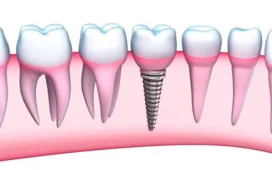
Implant dentures are a modern solution for replacing missing teeth, offering greater stability and comfort than traditional dentures. Instead of resting on the gums, they are fixed to the jawbone using dental implants, which keep them securely in place. This makes implant dentures a reliable option for people who have lost several or all of their teeth.
Key Points
- Implant-supported dentures are more stable and comfortable, improving daily life.
- Patients need rigid jawbone density to support implants, though procedures like bone grafting can help.
- Regular cleaning and dental visits are necessary for long-term success.
What Are Implant Dentures?
These dentures are attached directly to the jawbone through implants, preventing movement while eating or speaking. They closely resemble natural teeth in both function and appearance, reducing discomfort and awkward situations caused by slipping dentures. Techniques such as using fewer implants to support a full set of teeth make the process efficient.
Who Can Benefit?
People with missing or severely damaged teeth often benefit the most. However, candidates must have healthy gums and adequate bone structure. If bone loss is present, treatments such as grafting can improve suitability.
Types of Implant Dentures
There are two main types:
- Fixed dentures: Securely attached and cannot be removed at home. They provide strong support and feel similar to natural teeth but require professional cleaning.
- Removable dentures: Can be taken out for cleaning while still offering better stability than traditional options. They balance convenience and functionality.
Procedure Overview
The process involves several stages:
- Consultation: The dentist examines oral health, bone density, and discusses treatment plans and costs.
- Implant Placement: Implants are surgically inserted into the jawbone. Temporary dentures may be used during this time.
- Final Denture Placement: A custom denture is fitted to comfort, function, and natural appearance.
Benefits
Implant dentures provide strong support, eliminating slipping and improving confidence. They make chewing easier and enhance speech clarity. Additionally, they help maintain jawbone density, preventing facial sagging and preserving appearance.
Cost
The price varies depending on materials, procedure complexity, and additional treatments. While more expensive initially than traditional dentures, they are durable and may reduce long-term dental expenses.
Care Tips
Proper maintenance includes daily cleaning, using special tools for hard-to-reach areas, and regular dental check-ups. Removable dentures should be cleaned thoroughly after taking them out.
Comparison with Other Options
Traditional dentures are less stable and may shift, and often require adhesives. Dental bridges offer better support than traditional dentures but still lack the durability of implant-supported options. Implant dentures distribute pressure evenly, making them more reliable
Conclusion
Implant dentures are an advanced and effective solution for tooth loss. They improve comfort, function, and appearance while supporting long-term oral health. Although the process requires time and investment, the results offer lasting benefits and a more confident smile.