

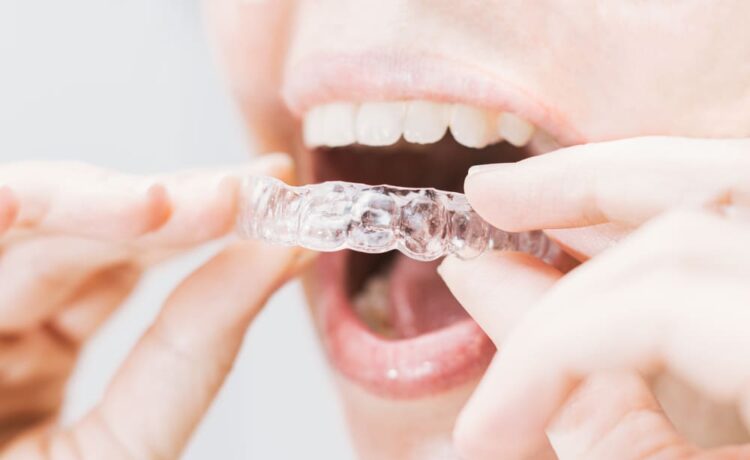
Many people considering Invisalign wonder if it’s painful. The simple truth is this: Invisalign can cause mild, temporary discomfort, but it is usually far less intense than traditional braces. Any orthodontic treatment that moves teeth will create some pressure, and Invisalign is no exception. However, this should not discourage you. Most people find it very manageable.
Invisalign discomfort is commonly described as tenderness, sensitivity while biting, or a feeling of pressure around the teeth. Many patients considering options such as Invisalign San Ramon experience similar sensations during treatment. You may prefer softer foods for a short time, but it rarely interferes with daily life. For most patients, any soreness fades within one to three days after switching to a new set of aligners. How noticeable it feels depends on your pain tolerance and how much tooth movement is required.
Why Invisalign Can Feel Uncomfortable
There are a few reasons you might experience discomfort during treatment.
Pressure from tooth movement
Each new aligner gently pushes your teeth toward their ideal position. This pressure is a sign that the treatment is working. Mild soreness is normal, especially with a fresh aligner, and usually disappears quickly.
Initial adjustment period
When you first start wearing aligners, your gums, lips, and cheeks may need time to adapt. Slight rubbing or irritation can occur for a week or two, but once your mouth adjusts, this issue rarely returns.
Occasional rough edges
In rare cases, an aligner may have a sharp or uneven edge. If this happens, your provider can easily smooth it out to improve comfort.
Compared to braces, Invisalign typically causes less pain because it uses steady, controlled pressure rather than sudden tightening. The absence of metal brackets and wires also reduces irritation. Mild tenderness is actually a positive sign that your teeth are moving as planned.
How to Manage Invisalign Discomfort
You can make the process more comfortable with a few simple steps.
- Wear your aligners as directed, ideally for 20 to 22 hours a day.
- Switch to new aligners at night so your teeth adjust while you sleep.
- Avoid hot water when cleaning aligners, as heat can distort their shape.
- Choose soft foods when your teeth feel sore.
- Drink cold water or apply a cold compress to reduce tenderness.
- Use aligner chew tools to help relieve pressure and improve fit.
- Apply orthodontic wax if the aligner irritates your gums or cheeks.
- If needed, take over-the-counter pain relief after trying natural remedies first.
- If discomfort lasts longer than expected or becomes severe, contact your dental provider for guidance.
Is Invisalign Worth It?
For most people, the answer is yes. Invisalign offers shorter treatment times, no metal components, a discreet appearance, removable aligners for eating and cleaning, and easier oral hygiene. The minor and temporary discomfort is a small price to pay for a healthier bite and a confident, straight smile that can last a lifetime.