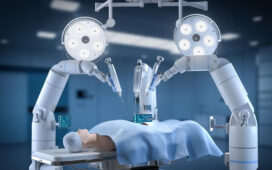


Vision stands out as the most important sense that people have, and its slow deterioration caused by cataracts can be unnoticeably affecting the ability to do everyday tasks. However, with the advent of cataract surgery, a highly efficient and widely performed operation, vision can now be restored. On the other hand, a lot of individuals still feel that they cannot get rid of their fear of the surgical procedure, and this problem is especially true if they have to go through the operation on their eyes. Knowing the procedure in both medical and clinical terms can turn out to be very beneficial for the shedding of those worries.
This blog is all about cataract surgery, and it is guided by medical science that brings you everything you need to know so you can become more confident in making choices about your eyes.
What Are Cataracts?
A cataract is a condition in which the eye’s natural lens loses its transparency, resulting in cloudy or fuzzy vision. The main cause of cataract is usually old age, but other things like diabetes, eye injuries, smoking, long-term use of steroids, and excessive exposure to UV can also be the reasons.
The signs of cataract are:
- Blurry or double vision
- Sensitivity to light and glare
- Poor night vision
- Fading or yellowing of colors
- Frequent changes in glasses or contact lens prescriptions
Whenever these symptoms negatively impact your reading, driving, or other daily activities, it would be wise to consult an eye specialist and explore appropriate treatment options.
The Role of Eye Specialists in Diagnosis
The treatment and diagnosis of cataract belong to the field of ophthalmology, which covers both the medical and surgical aspects of eye care. A trained ophthalmologist takes your medical history and carries out a number of tests to decide the extent and type of your cataract problem.
These tests consist of:
- Visual acuity check (eye chart test)
- Slit-lamp examination to view the lens and surrounding areas
- Dilated eye exam to examine the retina and optic nerve
- Tonometry to measure intraocular pressure
Besides deciding the operation is the best method for now or if the condition is treatable by simply changing the prescription lenses for a short period during the visit, the ophthalmologist will do it.
When Is Cataract Surgery Recommended?
When the cataract is so severe that it affects your quality of life deeply, surgery becomes inevitable. If you have difficulties reading, driving, recognizing people’s faces, or doing any of the usual things, your doctor will most probably recommend cataract surgery to you.
The operation is aimed at removing the clouded natural lens and inserting a new one called an intraocular lens (IOL). The choice of the IOL may be based on your visual requirements, such as monofocal (single distance), multifocal (near and far), or toric for astigmatism correction.
Types of Cataract Surgery
There are two major kinds of operations for cataract removal:
- Phacoemulsification (Phaco): This is the most commonly used technique. The doctor makes a small opening in the eye and then uses an ultrasound device to break up the lens and suction the particles out. The new lens is placed where the old one was.
- Extracapsular Cataract Extraction (ECCE): This technique is for the most severe cataracts. The doctor makes a larger incision and takes the lens out in one piece. Then the new lens is put inside the eye.
Both methods are quite reliable and assure safety, but the selection depends on the state of your eyes and the surgeon’s judgment.
Preparing for Surgery
Once the surgery has been decided, your ophthalmologist will lead you through some preoperative steps. These steps may be:
- Getting the size and the shape of your eye to be able to pick the right IOL
- Temporarily not taking some medications
- Administering antibiotic eye drops before the operation
- Not consuming food and drink for some hours before the operation
Another thing is to make sure you have someone who can be with you on the day of the operation and also help you with the post-surgery care during the first 24 hours.
What Happens on Surgery Day
Typically, cataract surgery is done on an outpatient basis, and it takes 15 to 30 minutes. Below are the steps that are generally required:
- You will be given local anesthesia (commonly in the form of eye drops or an injection)
- Your eye will be cleaned and prepped for the surgery
- The surgeon, making a small cut, will remove the cataract and insert the new IOL
- Most incisions are self-sealing and don’t require stitches
- You will have rest for a little period before being discharged.
The patients go home stocked with an eye shield and medications. Post-operative care instructions should be followed like a religion for an easy recovery.
Recovery and Aftercare
Recovery is generally fast and simple. Therefore, some blurriness or discomfort is normal within the first 24-48 hours; however, the great majority of people are able to notice a significant change in vision in just a few days.
Some of the instructions after the operation are:
- Using one of the prescribed antibiotic and anti-inflammatory eye drops
- Using an eye shield at night for at least a week
- Not engaging in strenuous activities, not bending over, and not lifting heavy objects
- Not rubbing or pressing the eye that was operated on
- Going to follow-up appointments to check the healing process
Most individuals can go back to carrying out light daily activities after a few days; however, they should not drive until their doctor gives them the green light.
Risks and Complications
The operation is certainly very safe; however, ophthalmology acknowledges that no surgical intervention is without risks. Such are the possibilities of complications that may arise:
- Infection or inflammation
- Swelling of the retina (macular edema)
- Increased intraocular pressure
- Dislocation of the IOL
- Secondary cataract (clouding of the capsule)
Thankfully, complications of this kind are infrequent and usually can be solved through medicine or additional interventions if they are detected in time. Your ophthalmologist, during the visits, will give you detailed information so that you realize all the ins and outs.
Long-Term Outlook and Benefits
The majority of people experience remarkably better eyesight after the operation. Colors are more intense, and also the clarity in general is better. The advantages of the renewed sight usually outweigh the unpleasant sensations that come from the surgery and the period of healing.
In some cases, a secondary cataract can develop months or years later. This is not the return of the disease but the desaturation of the film that holds the IOL. A laser treatment called YAG capsulotomy will easily eliminate the problem and will bring back vision in a matter of minutes.
Conclusion
Modern cataract surgery is extremely safe, quick, and effective in restoring vision in patients who have lost it due to cataract. If done by a competent doctor, it can not only restore sight and confidence but also significantly enhance the quality of life.
Learning every step of the operation from diagnosis to recovery is very helpful to the patient to face the operation with more confidence. In case you find that your sight is blurred or that you can’t see clearly, then maybe it would be a good idea to make an appointment with an eye specialist. Prompt treatment, along with the right guidance, ensures that good vision is an achievable goal.