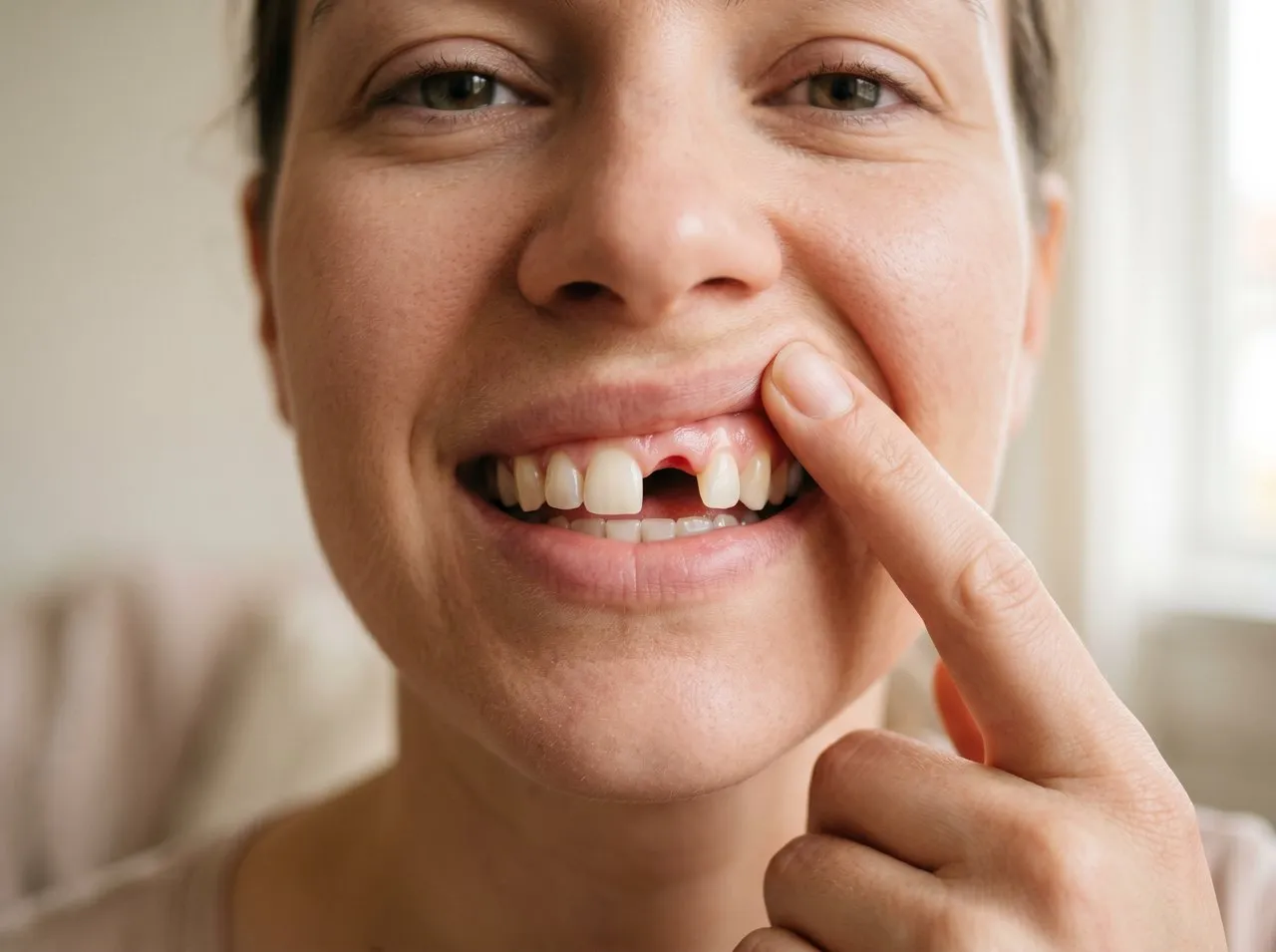
You get through the first shock of a dental injury, the bleeding slows down, the tooth looks more or less in place, and then a different kind of worry starts. Is it actually healing, or is something going wrong under the surface? That uncertainty is hard. A tooth can look fine for days or even weeks and still develop problems later, which is why follow up care matters just as much as the first visit, especially when treatment may eventually involve expert Clearwater dental implant restorations.
After trauma, your dentist is not just checking whether the tooth still hurts. They are watching for changes in the nerve, the root, the bone, and the way the tooth sits in your bite. Those checks help catch damage early, before it turns into infection, discoloration, root loss, or tooth death. If you are searching for follow up visits after a tooth injury, the short answer is this. Healing has to be tracked over time, and five checks tend to guide that process.
Dental trauma follow up is built around changes that show up later
A hit to the mouth can cause a crack, loosen a tooth, push it deeper into the socket, or damage the blood supply inside it. Some problems are obvious right away. Others are not. You might feel almost normal after a few days and assume the danger has passed, then notice the tooth turning gray a month later or becoming sore when you bite. That is the part many people do not expect.
Post injury tooth checks are designed to catch those delayed changes. According to the AAPD guidelines for traumatic dental injuries, monitoring over time is a standard part of care for fractures, loosened teeth, and teeth that have been displaced. A single exam on the day of the injury is rarely enough.
The exact schedule depends on the type of trauma, your age, and whether the injured tooth is a baby tooth or a permanent tooth. Still, most general dentist offices are looking for the same core signs at each recheck.
1. Bite and tooth position checks show whether the tooth is staying stable
One of the first follow up checks is simple but important. Your dentist looks at where the tooth sits and how your upper and lower teeth come together. If a tooth was pushed, loosened, or replanted, even a slight shift can change your bite and place extra force on the injured area.
You may notice this before you can describe it. The tooth feels “high,” chewing feels off, or you keep tapping that area by accident. If the position is not corrected, the tooth can stay irritated and healing can stall. In some cases, the surrounding ligament remains inflamed because the tooth is absorbing pressure every time you close your mouth.
2. Mobility checks reveal whether support structures are healing
An injured tooth often becomes loose because the ligament and bone around it have been bruised or torn. During follow up visits, your dentist gently tests how much the tooth moves. Less movement over time usually points to healing. More movement can mean the support is not recovering as expected.
This matters because looseness is not just a comfort issue. It can point to deeper trouble, including root damage or bone loss. A child who falls off a bike may seem fine after the first visit, then come back with a tooth that is more mobile two weeks later. That change tells your dentist the injury is still active, even if pain has faded.
3. Pulp testing helps track the health of the nerve inside the tooth
The nerve and blood supply inside a tooth can be injured even when the outside looks intact. Your dentist may use cold testing or other pulp tests to see whether the tooth is responding normally. Right after trauma, those results can be unreliable because the nerve may be stunned. That is why repeat testing matters.
A tooth that does not respond at first may recover later. A tooth that stops responding over time may be losing vitality and heading toward infection. This is one of the most common reasons for continued monitoring after a dental injury. The AAPD trauma recommendations stress the need for repeated clinical testing because pulpal healing and pulpal death can both unfold gradually.
4. X rays uncover root and bone changes that you cannot see at home
Some of the most serious complications after a tooth injury are silent at first. Root resorption, damage around the root tip, and small fractures in the surrounding bone often do not show clear symptoms early on. Dental X rays let your dentist compare healing from one visit to the next.
If you are tempted to skip a recheck because the tooth “feels okay,” this is usually the reason not to. X rays can reveal changes long before you would feel them. Catching those signs early can mean the difference between a manageable treatment and losing the tooth later.
5. Color and gum checks can signal internal damage or infection
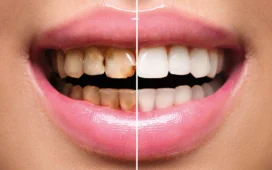
A tooth that starts turning yellow, dark gray, or pink after trauma needs attention. So do gums that stay swollen, develop a pimple like bump, or bleed around one tooth more than the others. These are not cosmetic details. They can point to internal bleeding, nerve death, or infection draining through the gum.
Your dentist also checks for tenderness, swelling, and changes in the tissue around the injured area. A tooth may pass one test and still fail another, which is why tooth injury follow up care is based on patterns, not one isolated finding.
Home observation and professional follow up do different jobs
| What You Notice at Home | What a General Dentist Checks in Office | Why It Matters |
|---|---|---|
| Pain when biting | Bite alignment and percussion tenderness | Shows whether the tooth is being overloaded or the ligament is inflamed |
| Tooth feels loose | Measured mobility and support of surrounding tissue | Tracks healing of bone and ligament |
| Color change | Pulp testing and visual exam | May signal nerve injury or internal bleeding |
| No symptoms | X rays and comparison with prior images | Can reveal root resorption or infection before symptoms appear |
What to do after a tooth injury
Keep every recheck appointment. The hardest part is that healing is not always obvious. A symptom free week does not rule out later problems. If your dentist recommends follow ups at two weeks, six weeks, or several months, treat those visits as part of the original treatment, not an extra add on.
Track small changes at home. Pay attention to bite changes, looseness, new sensitivity, color changes, gum swelling, or a bad taste near the tooth. Write down when you first notice anything different. Those details help your dentist compare what is normal healing and what is not.
Protect the tooth while it heals. Eat softer foods if advised, avoid biting directly on the injured tooth, and use any splint or mouthguard exactly as instructed. A healing tooth can be set back by one hard bite, especially in the first days after trauma.
Steady follow up gives an injured tooth its best chance
A dental injury does not always end when the accident ends. Sometimes the real issue is what develops in the weeks after, when the tooth is trying to recover and hidden damage starts to show itself. These five checks help your dentist see that process clearly and respond before a small issue becomes a bigger one.
If you have had a recent dental injury, schedule follow up care with a general dentist and do not wait for pain to make the decision for you. Early tracking gives that tooth its best shot at staying healthy.