
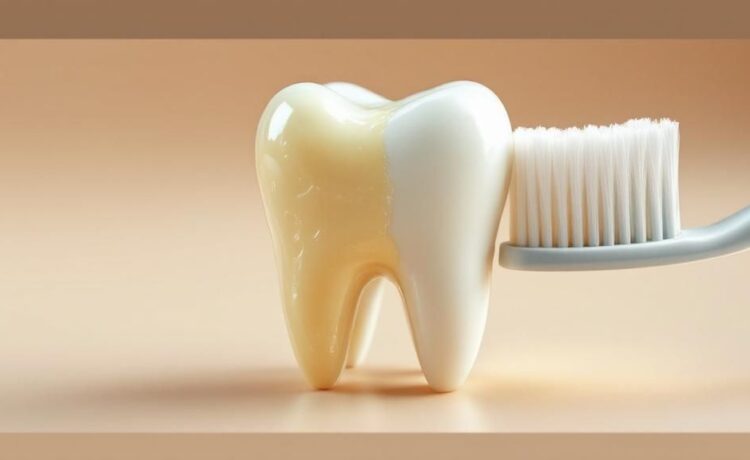
The cornerstone of a healthy mouth is the meticulous daily removal of dental plaque. While brushing and flossing are non-negotiable elements of this routine, they often fall short of reaching every complex contour and crevice within the oral cavity. It is in these hard-to-reach areas where harmful bacteria flourish, creating a protective, adhesive structure known as a plaque biofilm.
This is precisely where the science of an antimicrobial mouthwash becomes indispensable, acting as a crucial adjunct to mechanical cleaning. Therapeutic rinses introduce powerful chemical agents into the oral landscape, reaching places a toothbrush bristle or a piece of floss cannot, and attacking the very structure of the biofilm to prevent its maturation and associated damage.
Understanding the Enemy: The Plaque Biofilm
To appreciate the role of a therapeutic mouthwash, one must first understand the enemy it is designed to fight. Dental plaque is not merely a collection of bacteria; it is a complex, highly organized microbial community—a biofilm.
What is Plaque Biofilm?
A biofilm is a dynamic, structured community of microorganisms (primarily bacteria) encapsulated in a self-produced matrix of extracellular polymeric substances (EPS). This matrix, composed of polysaccharides, proteins, and DNA, acts like a fortress, adhering the colony firmly to the tooth surface and protecting the bacteria from environmental stresses, including the body’s natural defenses and, critically, chemical antimicrobial agents.
The Stages of Formation
Plaque formation is a continuous process that begins moments after a professional cleaning:
- Pellicle Formation: A thin, sticky layer of salivary proteins (the acquired pellicle) rapidly coats the clean tooth surface.
- Initial Adhesion (Early Colonizers): Pioneer bacteria (mostly Streptococcus species) attach to the pellicle.
- Co-aggregation and Maturation: Other bacterial species, including the more harmful anaerobic types, begin to attach to the pioneer bacteria. They secrete the EPS matrix, creating a complex, three-dimensional structure that makes the plaque biofilm thick and resilient.
- Growth and Dispersal: The mature biofilm feeds on sugars and starches, producing acids that demineralize tooth enamel, leading to decay, and causing inflammation in the adjacent gums, known as gingivitis.
The Challenge of Hard-to-Reach Areas
The physical architecture of the mouth creates numerous microbial sanctuaries where a manual cleaning tool struggles to be effective:
- Interdental Spaces: The tiny gaps between teeth, where flossing is necessary but often inconsistent or ineffective in removing all biofilm from the adjacent tooth surfaces.
- The Gingival Sulcus: The shallow pocket where the tooth meets the gumline. Plaque in this sub-gingival region is the primary cause of periodontal disease.
- Posterior and Lingual Surfaces: The far back teeth and the inner surfaces of all teeth, where brush access is often limited by dexterity and angle.
- Fissures and Grooves: The rough, textured chewing surfaces of the molars and pre-molars.
If the plaque in these hard-to-reach areas is not physically or chemically disrupted, the biofilm rapidly matures, increasing the risk of dental disease.
The Chemical Attack: How Antimicrobial Mouthwash Penetrates the Biofilm
Antimicrobial mouthwashes are designed to deliver active chemical agents directly to these difficult-to-reach sites in a way that mechanical cleaning cannot. The liquid format allows the active ingredients to penetrate the interdental and gingival spaces, bathing the tooth surfaces and the plaque biofilm itself.
The primary mechanism is not just killing suspended (planktonic) bacteria in the saliva, but attacking the structure and integrity of the organized biofilm.
Mechanism of Action: Disruption and Penetration
Effective antimicrobial mouthwashes rely on powerful ingredients that employ a multi-target strategy to control plaque:
- Cell Wall Disruption: Active agents, particularly those based on essential oils (like menthol, thymol, eucalyptol, and methyl salicylate), are highly effective at penetrating the protective EPS matrix. They possess a hydrophobic (water-repelling) nature that allows them to interact with and disrupt the cell walls and membranes of the bacteria within the biofilm. This process destabilizes the bacterial cell, leading to the leakage of essential cellular components and ultimately, cell death.
- Inhibition of Biofilm Accumulation: By killing or neutralizing the early and late colonizing bacteria, the mouthwash prevents the crucial initial stages of plaque formation. When used regularly as directed, the rinse suppresses bacterial adhesion and colonization, hindering the rapid growth of the biofilm.
- Reduction of Virulence: Certain antimicrobial components can interfere with the bacterial communication process known as “quorum sensing.” This process is essential for the bacteria to coordinate and build the mature, resistant biofilm structure. By interfering with quorum sensing, the antimicrobial rinse effectively reduces the pathogenicity, or harmfulness, of the remaining bacteria.
- Anti-Gingivitis Property: The combined anti-plaque action in the sulcus and along the gumline leads to a measurable reduction in gingival inflammation, which is the key goal in preventing the progression of gum disease.
The Synergistic Effect of Adjunctive Care
It is critical to view the use of an antimicrobial mouthwash as an adjunct—a supportive, secondary tool—to mechanical cleaning.
- Brushing and Flossing: These methods are necessary to physically scrape and dislodge the bulk of the plaque from the accessible surfaces.
- Antimicrobial Rinse: The rinse provides the final, targeted clean, reaching into the microscopic pockets and non-straight surfaces left behind. It delivers a sustained antimicrobial effect that helps prevent the immediate re-colonization of bacteria on the newly cleaned surfaces.
By integrating a scientifically-proven antimicrobial mouthwash into a comprehensive oral hygiene routine, you ensure that even the most hard-to-reach areas receive an effective chemical treatment. This dual-action approach—mechanical disruption followed by chemical penetration—is the gold standard for long-term oral health and the most effective defense against the formation and maturation of the harmful plaque biofilm.