

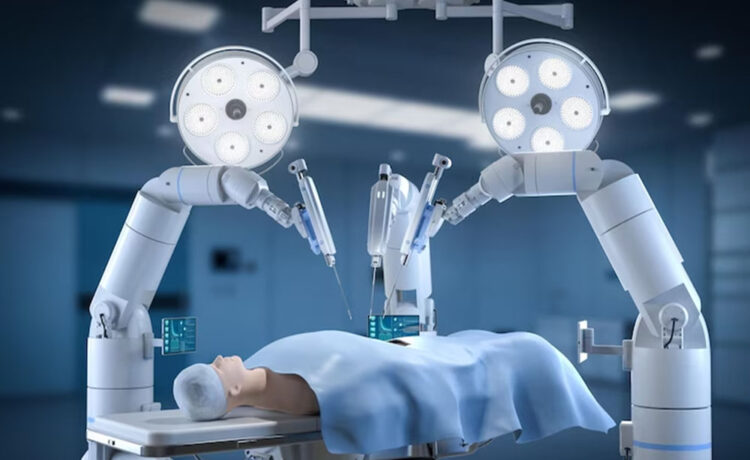
Medical science has changed rapidly in recent decades. Many procedures that once required large surgical cuts are now performed using smaller and safer techniques (with the advancement in the field of medicine). One such method is laparoscopy.
If you have ever heard doctors mention keyhole surgery, then they are usually referring to laparoscopy. This technique allows surgeons to perform operations with the help of a small camera and specialised instruments. As a result, patients often experience less discomfort and faster recovery after surgery.
In simple terms, laparoscopy is a modern surgical method that helps doctors examine or treat problems inside the abdomen without making large incisions.
Learning About the Fundamentals of Laparoscopy
Laparoscopy can be defined as a minimally invasive surgical procedure. The surgical technique is used to diagnose and treat conditions in the abdominal or pelvic area. While initiating a laparoscopic surgery, a thin instrument (called a laparoscope) is inserted through a small incision. Some important features of laparoscopy include:
- A small camera that allows surgeons to view organs clearly inside the body.
- Specialised surgical tools designed to work through tiny incisions.
- A minimally invasive approach that helps reduce hospital stay in many cases.
The Application Of Laparoscopic Procedures
Laparoscopy is used in many medical fields today. Doctors rely on this method to diagnose problems as well as perform surgical treatments. Some common uses include:
- Investigating abdominal pain when the exact cause is unclear.
- Treating conditions such as hernias or gallbladder disease.
- Performing certain fertility related procedures in gynaecology.
Because the procedure provides a clear view of internal organs, it often helps doctors reach a diagnosis more accurately.
Advantages Of Laparoscopic Surgery
One of the main reasons laparoscopy has become popular is the number of benefits it offers to patients. Compared with traditional surgery, recovery is often smoother and less stressful. The following advantages are often associated with laparoscopic procedures:
- Smaller surgical cuts that may lead to reduced scarring.
- Shorter hospital stays for many patients.
- Faster recovery time that allows people to return to daily activities sooner.
These benefits have encouraged many surgeons to specialise in this field. As a result, several institutions now offer professional training through a laparoscopic training centre where doctors learn advanced surgical techniques.
Gaining Knowledge and Applying Laparoscopic Skills
The growing demand for minimally invasive surgery has increased the need for proper medical education. Surgeons aspiring to specialise in this field often receive practical instruction at a laparoscopic training centre. Individuals can collaborate with these professionals centres to hone their skills in laparoscopy.