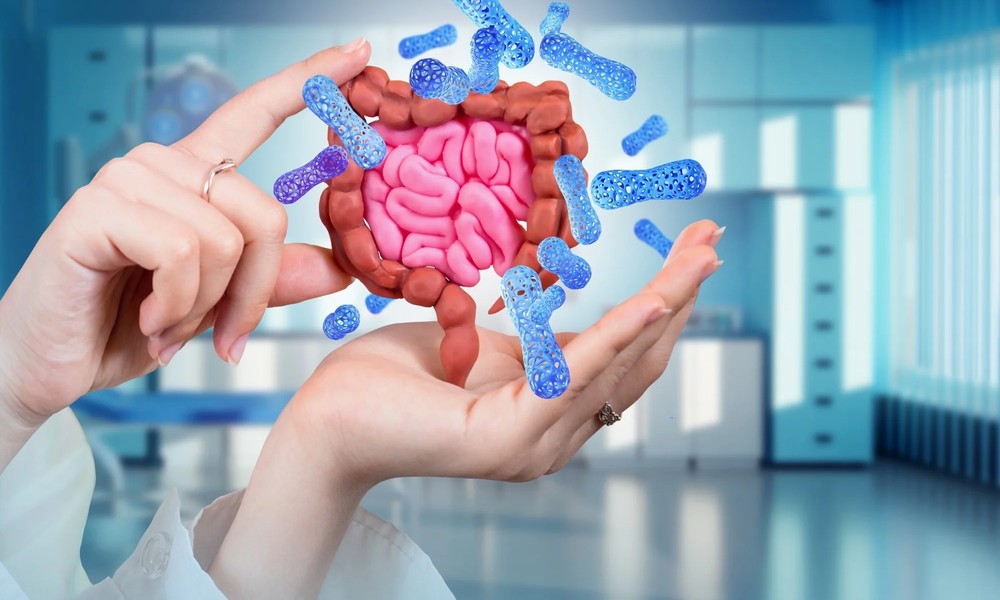
Your body changes dramatically throughout your life-from your first period to pregnancy to those hot flashes nobody warned you about. But here’s something most women don’t realize: your gut microbiome is changing right along with you, and it plays a bigger role in how you experience these transitions than you might think.
The bacteria living in your gut aren’t just sitting there digesting your lunch. They’re actively involved in hormone metabolism, immune function, mood regulation, and even how severe your menopause symptoms are. Understanding this connection can be a game-changer for managing your health through every stage of life.
Puberty: When Your Microbiome Meets Hormones
Remember when puberty hit and suddenly everything felt different? Your microbiome was going through its own transformation. As estrogen and progesterone levels start fluctuating, they directly influence the composition of your gut bacteria-and vice versa.
During puberty, many girls experience:
- Increased digestive sensitivity and bloating
- Mood swings (thanks, hormones and gut bacteria)
- Changes in skin health (your gut-skin axis is real)
- Irregular periods as the body finds its rhythm
Here’s the thing: establishing a healthy microbiome during these formative years can set the foundation for better hormonal health throughout life. The gut bacteria help metabolize estrogen through something called the estrobolome-a collection of bacteria that specifically regulate estrogen levels in your body.
Supporting gut health during puberty isn’t just about avoiding stomach aches. It’s about creating a stable foundation for the hormonal journey ahead.
Reproductive Years: Fertility, Pregnancy & Beyond
Your twenties and thirties bring their own microbiome challenges. Whether you’re trying to conceive, navigating pregnancy, or managing monthly hormonal fluctuations, your gut bacteria are deeply involved in the process.
Fertility and Conception:
Your microbiome influences reproductive health more than most people realize. Research shows that gut bacteria affect:
- Hormone production and regulation
- Inflammation levels (which can impact fertility)
- Nutrient absorption crucial for reproductive health
- Immune system balance
Women dealing with hormonal imbalances like PCOS often find that addressing gut health helps. Some people combine probiotics with targeted supplements like Myo & D-Chiro Inositol to support both metabolic and reproductive wellness-learn more in our guide to managing PCOS naturally with myo-inositol.
During Pregnancy:
Pregnancy completely reshapes your microbiome-and that’s actually by design. Your body is preparing to pass beneficial bacteria to your baby during birth and breastfeeding. But these changes can also bring challenges:
- Morning sickness (often linked to gut bacteria shifts)
- Constipation (progesterone slows everything down)
- Increased susceptibility to yeast infections
- Digestive discomfort as your organs get rearranged
Maintaining a healthy microbiome during pregnancy supports not just your health, but your baby’s developing immune system and gut flora. Many healthcare providers recommend women’s probiotics with specific Lactobacillus strains that support both maternal and infant health. If you’re reviewing foundational nutrients too, see our ultimate guide to multivitamins for women’s health.
Postpartum Recovery:
After birth, your microbiome needs to rebalance again. This period is crucial for:
- Restoring digestive function
- Supporting mood stability (postpartum depression has gut connections)
- Rebuilding nutrient stores depleted during pregnancy
- Maintaining energy levels while caring for a newborn
Perimenopause & Menopause: The Microbiome Transition
Let’s talk about the transition nobody prepares you for adequately. As estrogen levels decline during perimenopause and menopause, your microbiome composition shifts significantly. This isn’t just coincidence-it’s directly connected.
Common Microbiome-Related Changes:
- Increased bloating and digestive issues
- Weight gain (especially around the middle)
- Mood changes and brain fog
- Sleep disturbances
- Increased inflammation throughout the body
The drop in estrogen affects your gut bacteria diversity, which in turn affects how your body manages the remaining hormones. It’s a cycle that can either work for you or against you, depending on how you support your microbiome.
Why Gut Health Matters More During Menopause:
Your gut bacteria help metabolize and recycle estrogen. When your ovaries stop producing as much, your body relies more heavily on this bacterial recycling system. A healthy, diverse microbiome can help:
- Reduce the severity of hot flashes
- Support stable mood and mental clarity
- Maintain healthy weight management
- Protect bone density (gut bacteria influence calcium absorption)
- Support cardiovascular health
Supporting Your Microbiome Through Life’s Transitions
No matter what stage you’re in, certain strategies support microbiome health across the board:
Prioritize Probiotic-Rich Support:
- Choose probiotics with multiple Lactobacillus strains
- Look for formulas specifically designed for women’s health
- Consistency matters more than occasional use
Nourish Your Gut Bacteria:
- Eat diverse, fiber-rich foods
- Include fermented foods when possible
- Stay hydrated (your gut bacteria need water too)
- Limit processed foods and excess sugar
Support Overall Wellness:
- Comprehensive nutrition becomes more important with age
- Consider a quality women’s multivitamin to fill nutritional gaps
- Manage stress (it directly impacts gut bacteria)
- Prioritize sleep (your microbiome repairs itself at night)
The Bottom Line
Your microbiome isn’t static-it’s a living ecosystem that evolves with you through every life stage. From puberty’s hormonal awakening to pregnancy’s transformative months to menopause’s significant transition, your gut bacteria are active participants in your health journey.
Understanding this connection empowers you to take proactive steps at every stage. Whether you’re 15 or 55, supporting your microbiome means supporting your hormonal health, digestive comfort, mood stability, and overall wellness. Ready to explore holistic wellness practices that support you through every life stage? Your microbiome-and your future self-will thank you.