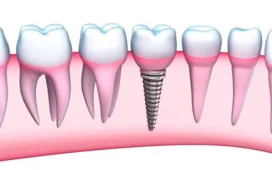


A periodontist is a dental specialist who focuses on the health of your gums and the bones that support your teeth. While general dentists handle regular dental care, a periodontist deals with more serious gum problems and advanced conditions. Their main goal is to prevent, diagnose, and treat diseases that affect the gums and surrounding structures.
One of the most common conditions treated by a periodontist is gum disease. This problem usually starts when plaque, a sticky layer of bacteria, builds up on the teeth and spreads below the gum line. In the early stage, known as gingivitis, the gums may become red, swollen, and may bleed easily, which is when searching for a periodontist near me becomes important.
If gingivitis is not treated, it can develop into a more serious condition called periodontitis. In this stage, the gums pull away from the teeth and form pockets where bacteria can grow. This can damage the bone that holds the teeth in place and may eventually lead to tooth loss.
Periodontists offer both non-surgical and surgical treatments depending on the condition. Non-surgical treatments include deep cleaning procedures like scaling and root planning. These methods remove plaque and tartar from below the gum line and smooth the tooth roots to help the gums heal. In some cases, medicines such as antibiotics may also be used to control infection.
For more serious problems, surgical treatments may be required. One common procedure is a gum graft, where healthy tissue is used to cover exposed tooth roots caused by receding gums. This helps reduce sensitivity, protect the roots, and improve the appearance of the smile. Other treatments may include procedures to reduce deep gum pockets, encourage bone growth, or place dental implants to replace missing teeth.
To become a periodontist, a dentist must complete additional years of training after dental school. This includes specialized education focused on gum health and advanced treatment techniques.
There are several signs that indicate you may need to visit a periodontist. These include swollen or puffy gums, gums that bleed easily, constant bad breath, pain while chewing, and gums that are pulling away from the teeth. In some cases, teeth may feel loose or shift position. If you notice any of these symptoms, it is important to seek professional advice as early as possible.
During your visit, the periodontist will examine your mouth carefully. They may check your gums for bleeding, measure the space between your teeth and gums, and take X-rays to see if there is any bone loss. Based on these findings, they will create a treatment plan suited to your needs.
In addition to treatment, periodontists also guide patients on how to maintain good oral health. This includes proper brushing and flossing techniques, using the right dental products, and making healthy lifestyle choices.
In conclusion, a periodontist plays an important role in protecting your gum health. With the right care and early treatment, they can help prevent serious problems and keep your smile healthy for years.