
Back pain is something many people brush off-until it starts affecting how they walk, sit, or even sleep. In some cases, the real issue lies deeper than muscle strain. Nerve compression in the spine can quietly develop over time, eventually leading to pain, numbness, or weakness that disrupts daily life. When conservative treatments like medication or physiotherapy no longer help, surgical intervention may be considered to relieve pressure on the affected nerves.
Today’s spinal procedures are far more refined than they used to be. Surgeons rely on precise imaging, steady hands, and specialized Neurosurgical Instruments to navigate delicate spinal structures while minimizing disruption to surrounding tissues. The goal is simple: free the compressed nerve and restore function without causing unnecessary trauma to the body.
Key Takeaways
- Nerve compression in the spine can lead to pain, numbness, and limited mobility
- Surgery is typically considered when non-surgical treatments fail
- Modern techniques focus on precision and minimal invasiveness
- Different procedures are used depending on the cause of compression
- Recovery outcomes have improved significantly with advanced methods
Understanding What Causes Nerve Compression
Before diving into how surgeons fix the problem, it helps to understand what’s causing it. Nerve compression often occurs when something presses against a spinal nerve. This “something” could be a herniated disc, bone spurs, thickened ligaments, or even spinal misalignment.
Over time, wear and tear commonly known as degenerative changes can narrow the spaces within the spine. This narrowing, often referred to as spinal stenosis, puts pressure on nerves that branch out from the spinal cord. The result can vary from mild discomfort to severe pain radiating down the arms or legs.
Surgical Approaches to Relieve Pressure
When surgery becomes necessary, the approach depends on the root cause of the compression. One commonly performed procedure is a discectomy. In this operation, the surgeon removes part of a herniated disc that is pressing on a nerve. By clearing that space, the nerve is able to function normally again.
Another widely used technique is laminectomy. This involves removing a small portion of bone called the lamina to create more room within the spinal canal. It’s often recommended for patients with spinal stenosis and can significantly reduce pressure on the nerves.
In some cases, spinal fusion may be required. This procedure stabilizes the spine by joining two or more vertebrae together. While it limits movement in that specific area, it can prevent further irritation of the nerves caused by instability.
Minimally Invasive Techniques
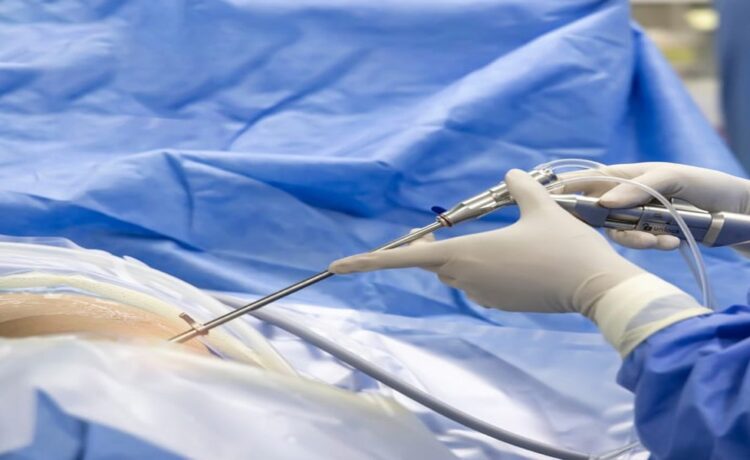
One of the biggest shifts in spinal surgery has been the move toward minimally invasive procedures. Instead of large incisions, surgeons now use smaller openings along with specialized tools and imaging guidance.
These techniques reduce muscle damage, lower the risk of infection, and shorten recovery time. Patients often experience less postoperative pain and can return to normal activities more quickly compared to traditional open surgery.
Endoscopic spine surgery is a good example. A tiny camera is inserted through a small incision, allowing the surgeon to view the affected area on a screen and perform the procedure with high precision. This approach is particularly useful for treating localized nerve compression.
The Importance of Accurate Diagnosis
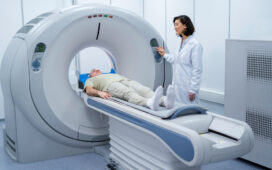
Surgery is only as effective as the diagnosis behind it. Before recommending any procedure, doctors use imaging tests like MRI or CT scans to pinpoint the exact location and cause of the compression.
This detailed evaluation ensures that the chosen surgical method directly addresses the problem. It also helps avoid unnecessary procedures and improves the chances of a successful outcome.
Recovery and Long-Term Outcomes
Relieving nerve compression is just one part of the journey. Recovery plays an equally important role in ensuring lasting results. After surgery, patients may need physical therapy to rebuild strength and improve flexibility.
Most people notice a significant reduction in pain soon after the procedure, although full recovery can take time depending on the type of surgery performed. Following medical advice, maintaining proper posture, and staying active are key to preventing future issues.
A More Targeted Way Forward
Spinal surgery has evolved into a highly targeted field where precision matters more than ever. Instead of broadly addressing symptoms, surgeons now focus on the exact source of nerve compression and treat it with carefully chosen techniques.
This shift has made procedures safer and more effective, offering relief to patients who once had limited options. As technology continues to improve, the ability to treat spinal conditions with accuracy and minimal disruption will only get better helping more people return to a life free from persistent nerve pain.