

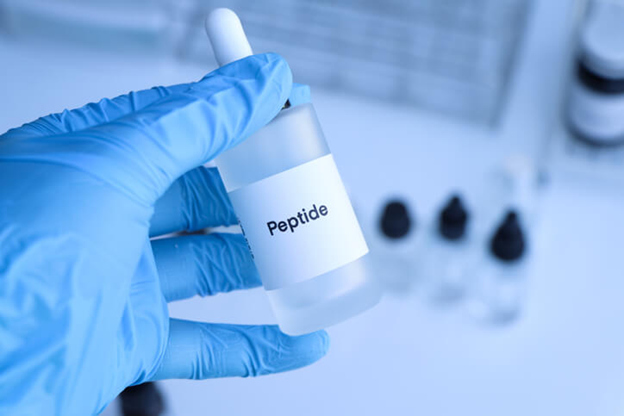
Peptides are at the forefront of a scientific revolution that is reshaping modern medicine and biotechnology. These short chains of amino acids, linked by peptide bonds, are proving to be powerful tools in research and drug development. With their exceptional biocompatibility, specificity, and ease of modification, peptides bridge the gap between small molecules and large proteins, offering researchers new solutions that were once out of reach.
This article explores how research peptides are transforming medicine and biotechnology, their diverse applications, and why they represent one of the most exciting frontiers in modern biomedical science and why many choose to buy peptides in the US.
What Are Peptides and Why Do They Matter in Research?
Peptide Basics: The Building Blocks of Life
Peptides are short chains of amino acids connected by peptide bonds—the same type found in proteins. Typically composed of 2 to 50 amino acids, they are smaller and simpler than proteins, allowing easier production, improved tissue penetration, and greater stability.
In nature, peptides act as hormones, neurotransmitters, and signaling molecules that regulate essential biological processes. Examples include insulin, oxytocin, and glucagon, all vital to maintaining physiological balance.
In research, peptides can be either natural or synthetic. Natural peptides are derived from biological sources, while synthetic peptides are lab-engineered to mimic natural sequences or create entirely new structures. The ability to design and modify peptides has revolutionized research by enabling scientists to study specific biological functions and develop novel therapeutic strategies.
The Rise of Synthetic Peptides for Research
The development of solid-phase peptide synthesis in the 1960s transformed the way scientists create and study peptides. Modern peptide synthesis techniques now allow precise assembly and modification, improving their stability, activity, and target specificity. Researchers can incorporate non-natural amino acids or introduce structural constraints to design peptides tailored for specific experiments or medical applications.
The precision and purity of peptides are crucial to reliable results. High-quality, well-characterized peptides ensure accurate outcomes in experiments, particularly in peptidomics, where purity and sequence confirmation through advanced analytical methods are essential.
How Research Peptides Are Transforming Modern Medicine
Therapeutic Applications in Disease Treatment
Peptide-based therapies are expanding rapidly across multiple medical fields. In cancer research, peptides are used to target tumor cells directly, delivering cytotoxic agents with reduced harm to healthy tissue. In metabolic disorders, peptide drugs that mimic natural hormones have improved diabetes treatment by enhancing insulin secretion and regulating blood sugar levels.
In neurodegenerative disease research, peptides are being studied for their potential to cross the blood-brain barrier and deliver targeted treatments for conditions such as Alzheimer’s and Parkinson’s disease. These breakthroughs illustrate how peptides can enable more precise, effective, and less invasive treatments.
Peptide-Based Drug Delivery Systems
Peptides are also advancing drug delivery technology. Cell-penetrating peptides can transport therapeutic molecules across cell membranes, making it possible to deliver drugs to previously inaccessible targets inside cells.
Because many peptides can be engineered to target specific cell types or tissues, they allow for highly targeted delivery—reducing side effects and increasing therapeutic efficiency. This targeted approach represents a major improvement over conventional systemic drug delivery methods.
Regenerative Medicine and Tissue Repair
Peptides have shown immense promise in promoting tissue repair and regeneration. Certain bioactive peptides stimulate cell growth, collagen production, and new blood vessel formation, all of which are critical for healing wounds and repairing damaged tissue.
These properties make peptides valuable in regenerative and anti-aging research. They are being studied for their ability to rejuvenate skin, enhance muscle repair, and potentially slow down age-related degeneration, offering a natural and effective approach to maintaining tissue health.
The Role of Research Peptides in Biotechnology
Peptides in Genetic Engineering and Cell Signaling
In biotechnology, peptides are indispensable tools for understanding and manipulating biological systems. They can be engineered to interact with DNA or RNA sequences, influence gene expression, and assist in gene-editing technologies like CRISPR.
Peptides are also essential for studying cell signaling pathways. By mimicking or blocking natural signaling molecules, scientists can better understand how cells communicate and how diseases disrupt these processes. Additionally, peptides are used to control protein interactions, enabling both inhibition of harmful pathways and enhancement of beneficial ones.
Development of Peptide-Based Biomaterials
Another area of innovation is the creation of peptide-based biomaterials. Certain peptides can self-assemble into structures such as hydrogels or nanofibers, which serve as scaffolds for tissue engineering or as drug delivery vehicles.
These materials are biocompatible, biodegradable, and programmable at the molecular level, allowing scientists to design them for specific biological responses. Some peptide-based materials can even respond dynamically to environmental changes like pH or temperature, opening the door to advanced “smart” medical devices and responsive drug delivery systems.
Peptides in Vaccine Development
Peptide-based vaccines have become increasingly important in modern medicine. By mimicking specific parts of a pathogen’s proteins, synthetic peptides can safely trigger immune responses without introducing live or weakened viruses.
These vaccines can be produced quickly, customized to target specific strains, and combined to protect against multiple diseases. Their safety, precision, and scalability make peptide vaccines an essential part of rapid-response immunology and global health initiatives.
Why Scientists Prefer Peptides for Research Today

Customizability and Specificity
Peptides can be precisely designed to target specific biological molecules, reducing off-target effects and improving research accuracy. Scientists can modify peptides by adding non-natural amino acids or applying chemical changes such as cyclization or PEGylation to enhance their stability, bioavailability, and binding affinity.
This high degree of flexibility allows researchers to create customized tools for imaging, drug delivery, or receptor targeting—tailored to the exact needs of their experiments.
Cost-Effectiveness and Efficiency
Peptides are relatively affordable to produce and can be synthesized quickly, making them ideal for high-throughput screening and early-stage drug discovery. Their modular structure allows researchers to make systematic changes and test variations efficiently, saving both time and resources.
This accessibility makes peptide-based research tools available to a broader range of scientists and institutions, fueling innovation across multiple disciplines.
Conclusion: The Future of Peptide Science
Research peptides are transforming the landscape of modern science by bridging chemistry, biology, and medicine. Their versatility, specificity, and biocompatibility make them indispensable in drug discovery, regenerative medicine, and advanced biomaterial development.
As synthesis technologies continue to evolve, peptides will play an even greater role in shaping the future of healthcare and biotechnology. From personalized therapies to sustainable biomedical materials, the possibilities are nearly limitless. Peptide research stands as one of the most dynamic and promising frontiers in the quest to advance human health and scientific understanding.