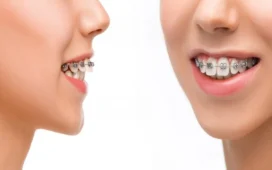
Misaligned teeth, also known as malocclusion, are a common dental issue that can affect individuals of all ages. In fact, misalignment can range from minor spacing issues to severe crowding and bite problems, impacting not only the appearance but also the function of your teeth. Understanding the causes of tooth misalignment is the first step toward effective treatment and prevention. If you see any signs of misalignment of teeth, it is always best to visit a dental office in Concord, MA, to diagnose the condition and get the required treatment.
In this blog, we’ll explore the primary factors that contribute to misaligned teeth.
1. Genetics and Heredity
One of the most significant factors contributing to misaligned teeth is genetics. Just like eye color and height, the alignment and structure of your teeth can be inherited from your parents. If one or both of your parents have crooked teeth, there’s a higher chance you might inherit similar dental characteristics. In addition, genetic factors can also determine the size of your jaw, the spacing between teeth, and even the shape and size of individual teeth, all of which play a role in alignment.
2. Early Loss of Baby Teeth
Baby teeth are essential placeholders for permanent teeth. When they are lost prematurely due to decay, trauma, or other reasons, it can lead to misalignment of the incoming adult teeth. The adjacent teeth may shift into the empty space, causing crowding or improper positioning of the new teeth. Remember, ensuring that baby teeth remain healthy until they naturally fall out is crucial for maintaining proper alignment.
3. Thumb Sucking and Pacifier Use
Prolonged thumb sucking or pacifier use beyond the age of three can significantly affect the alignment of a child’s teeth. These habits exert pressure on the developing teeth and jaw, leading to issues such as an open bite, where the upper and lower teeth don’t meet properly. Moreover, the constant force applied by thumb sucking can push teeth out of their natural position, necessitating orthodontic intervention later on.
4. Tongue Thrusting
Tongue thrusting is a habit where the tongue pushes against the front teeth during swallowing, speaking, or even at rest. This condition can cause the teeth to move forward, resulting in misalignment and bite problems. In fact, it is more common in children but can persist into adulthood if not corrected. In most cases, speech therapy and orthodontic treatments are often required to address tongue thrusting and its effects on dental alignment.
5. Mouth Breathing
Breathing predominantly through the mouth rather than the nose can also contribute to dental misalignment. In fact, mouth breathing is often associated with conditions such as allergies, enlarged tonsils, or chronic nasal congestion. This habit can affect the development of the jaw and facial muscles, leading to issues such as a narrow palate, an elongated face, and crowded teeth. Addressing the underlying cause of mouth breathing is essential for preventing related dental problems.
6. Dental Conditions
Certain dental conditions can directly impact the alignment of teeth. In fact, issues like over-retained baby teeth, impacted teeth, and supernumerary (extra) teeth can disrupt the normal eruption and positioning of permanent teeth. For instance, an impacted tooth that fails to erupt properly can cause adjacent teeth to shift, leading to crowding and misalignment. Remember, regular dental check-ups help in identifying and addressing these conditions early on.
7. Trauma and Injury
Accidents or injuries that impact the mouth and jaw can also result in misaligned teeth. A blow to the face can displace teeth, fracture the jaw, or damage the supporting structures, leading to alignment issues. In such cases, timely dental intervention is crucial to minimize long-term damage and restore proper alignment.
8. Poor Oral Habits
Certain poor oral habits can contribute to the misalignment of teeth. For example, nail-biting, chewing on pencils or pens, and using teeth to open packages can exert undue pressure on the teeth, causing them to shift out of position. However, being mindful of these habits and making a conscious effort to avoid them can help maintain better dental alignment.
9. Medical Conditions
Some medical conditions and syndromes can influence the alignment of teeth. Conditions like cleft lip and palate, Down syndrome, and other craniofacial abnormalities can affect the development and positioning of teeth and jaws. Specialized dental care and often multidisciplinary medical intervention are required to manage these complex cases.
Conclusion
Misaligned teeth can result from a variety of factors, ranging from genetics and early childhood habits to injuries and medical conditions. Understanding these causes is essential for both prevention and effective treatment. If you or your child is experiencing issues with misaligned teeth, consult with a dental professional to explore the best treatment options tailored to your needs.