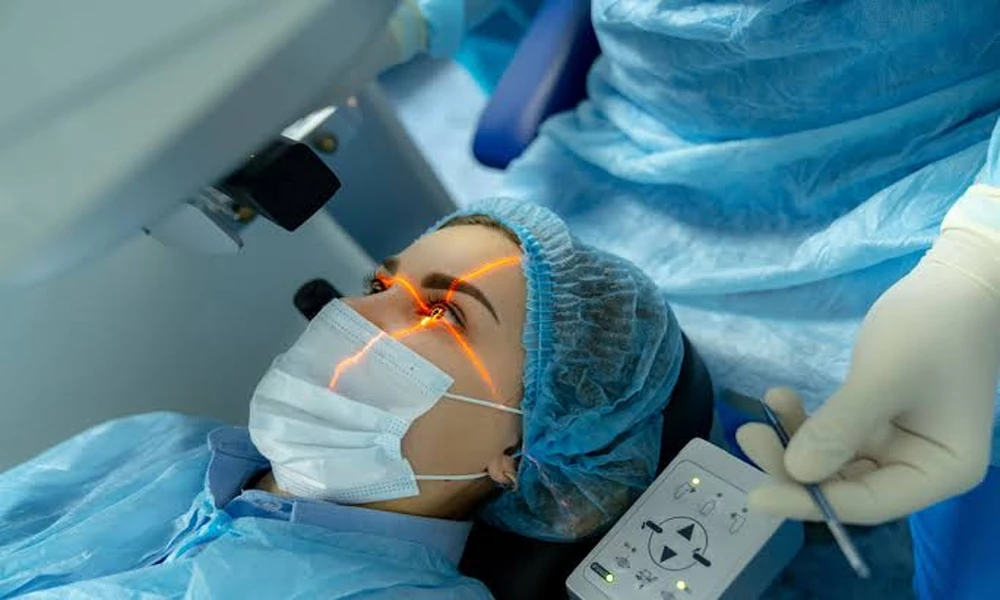
Clearer vision can make everyday activities more convenient, whether you are working in front of a computer, driving, travelling, exercising, or simply going through your normal routine without constantly reaching for glasses or contact lenses.
For people considering laser vision correction, however, deciding to undergo the procedure is only the first step. Choosing the right eye specialist and clinic deserves just as much attention.
Laser vision correction is a medical procedure, not something that should be selected based on a promotional offer or attractive advertisement alone. Your eyes need to be properly evaluated, your expectations need to be realistic, and the procedure recommended to you should match your individual eye condition.
Before booking treatment, take time to compare your options carefully.
Start With the Qualifications of the Eye Specialist
The doctor performing or supervising your procedure should be one of the first things you research.
Check Professional Credentials
Look for an ophthalmologist with appropriate medical qualifications and professional training in refractive or laser eye procedures.
Do not hesitate to ask about:
- Medical and ophthalmology qualifications
- Professional licences and certifications
- Experience with refractive surgery
- Types of laser vision correction procedures performed
- Experience using the clinic’s specific technology
- Approach to patient screening and follow-up care
A trustworthy specialist should be comfortable discussing qualifications and explaining how their experience relates to the procedure being considered.
Experience matters, but numbers alone should not make the decision for you. A doctor who carefully assesses whether you should undergo surgery can be more reassuring than one who immediately tries to schedule a procedure.
Pay Attention to the Pre-Surgery Eye Examination
A quality clinic should not treat the initial consultation as a simple sales meeting.
Before recommending laser eye surgery Philippines patients should expect a detailed assessment of their eyes and vision. The specialist needs enough information to determine whether laser correction may be appropriate and what type of treatment should be considered.
A Thorough Assessment Matters
Depending on the patient and procedure, an eye specialist may evaluate factors such as:
- Current vision prescription
- Stability of the prescription
- Overall eye health
- Corneal shape and thickness
- Dry eye symptoms
- Pupil characteristics
- Previous eye conditions or procedures
- Current medications
- General medical history
The clinic should also ask about your lifestyle and reasons for wanting surgery.
For instance, your vision requirements may be different if you spend most of your working day using digital screens compared with someone whose daily activities require significant outdoor or night-time vision.
The goal should not simply be determining whether a laser can correct your prescription. The specialist should determine whether the procedure is suitable for your eyes.
Ask Which Procedure Is Recommended and Why
Laser vision correction is not necessarily a one-size-fits-all treatment.
A good specialist should explain what procedure is being recommended, why it may suit your condition, what alternatives are available, and what limitations you should understand.
Avoid Clinics That Promise the Same Treatment to Everyone
Be cautious if a consultation quickly turns into a recommendation without much explanation.
- Why is this procedure appropriate for my eyes?
- Are there other treatment options?
- What results can I realistically expect?
- Could I still need glasses after treatment?
- What risks should I know about?
- What happens if my eyes are not suitable for surgery?
You should leave the consultation understanding your options rather than feeling pressured to make an immediate decision.
Compare the Technology Used by the Clinic
Technology is another factor worth examining, although the newest machine does not automatically mean the best treatment.
When researching lasik Philippines clinics, ask what laser systems and diagnostic equipment are being used and, more importantly, how the doctor determines whether those technologies are appropriate for individual patients.
Technology Should Support Medical Expertise
Advanced equipment can assist with accurate measurements, treatment planning, and vision correction. However, technology cannot replace proper medical assessment.
Look for a clinic where qualified specialists use diagnostic information to create an individual treatment plan rather than relying on technology as the main selling point.
The clinic should also be able to explain the equipment in straightforward language. You should not need a medical degree to understand why a particular procedure or system is being recommended.
Consider the Clinic’s Safety Standards
A clean, organised, professionally managed clinic can tell you a great deal about how seriously patient care is taken.
Ask about the clinic’s procedures before, during, and after surgery.
Look Beyond the Treatment Room
Consider whether the clinic has clear systems for:
- Patient assessment
- Medical record keeping
- Pre-operative preparation
- Infection prevention and hygiene
- Procedure-day instructions
- Post-operative monitoring
- Emergency concerns
- Follow-up appointments
You should also know who to contact if you experience unexpected symptoms after treatment.
Reliable care should continue after you leave the treatment room.
Understand the Possible Risks and Limitations
Be cautious of anyone presenting laser eye surgery as completely risk-free or guaranteeing perfect vision.
All medical procedures can involve risks and limitations. A responsible eye specialist should explain these clearly before you make a decision.
Possible concerns can differ from patient to patient, which is exactly why thorough screening is important.
Ask for Realistic Expectations
Your consultation should cover questions about:
- Expected vision improvement
- Recovery
- Temporary visual changes
- Dryness or discomfort
- Night-time vision
- Possibility of additional treatment
- Future need for glasses
- Long-term eye care
The objective is informed decision-making.
A clinic that openly discusses both benefits and limitations is generally giving you more useful information than one focusing only on the advantages.
Do Not Choose a Clinic Based on Price Alone
Cost naturally matters, particularly when comparing private medical procedures. However, the lowest advertised price should not automatically determine where you receive treatment.
A cheaper package may not always include everything you expect.
Ask What the Quoted Price Includes
Before comparing prices, confirm whether the amount covers:
- Initial consultation
- Diagnostic examinations
- Surgeon or specialist fees
- Laser procedure fees
- Medications
- Follow-up consultations
- Post-operative examinations
- Enhancement procedures, if required
- Additional treatment for complications
Ask for a clear breakdown before making a financial commitment.
This makes it easier to compare clinics properly instead of comparing headline prices that may cover different services.
Evaluate How the Clinic Communicates With You
Communication may seem less important than technology or qualifications, but it can significantly affect your overall experience.
You should feel comfortable asking questions without being rushed.
Watch for Pressure-Based Sales Tactics
Be careful if a clinic:
- Pushes you to pay immediately
- Uses limited-time discounts to create urgency
- Avoids answering medical questions
- Makes guaranteed-result claims
- Focuses heavily on price before evaluating your eyes
- Discourages you from considering other options
Medical decisions should give you enough room to understand the benefits, risks, costs, and alternatives.
A reputable clinic should be confident enough in its service to allow you to make an informed decision.
Check the Quality of Follow-Up Care
Your relationship with an eye clinic should not end immediately after the procedure.
Post-operative appointments allow the specialist to monitor recovery, check your vision, and address concerns that may arise.
Before choosing a clinic, ask how follow-up care works.
Find out:
- How many follow-up visits are normally required
- Whether follow-up consultations are included
- Who conducts the appointments
- How urgent concerns are handled
- What support is available outside regular clinic hours
Convenience should also be considered. If several follow-up visits may be necessary, travelling a very long distance to the clinic could become inconvenient.
Prepare Questions Before Your Consultation
It is easy to forget important questions once you are sitting inside the clinic.
Write them down beforehand.
Questions Worth Asking
Consider asking:
- Am I a suitable candidate for laser vision correction?
- What procedure do you recommend?
- Why do you recommend that procedure?
- What are the possible risks for my particular eyes?
- What results should I realistically expect?
- How long does recovery normally take?
- What restrictions will I have after surgery?
- Could I still need glasses?
- What is included in the total cost?
- What follow-up care will I receive?
The quality of the answers can help you judge the quality of the clinic itself.
Take Your Time Before Making the Final Decision
Better vision can have a meaningful impact on daily life, but choosing an eye specialist should never feel like buying an ordinary product.
Research the doctor. Evaluate the clinic. Ask about the technology. Understand the risks. Review the complete costs. Most importantly, make sure your eyes receive a thorough assessment before agreeing to treatment.
The right clinic should help you understand not only what laser vision correction can potentially achieve but also whether it is genuinely appropriate for you.
When it comes to your eyesight, a careful decision is more valuable than a quick one.